Diplomatic sidelines rarely lack for theater. When Russian President Vladimir Putin and Iranian President Masoud Pezeshkian convened away from the main plenary halls during regional summits in Turkmenistan, the diplomatic choreography was meticulously staged to project unbroken solidarity. Underneath the standard press releases regarding economic corridors, energy coordination, and infrastructural investments, however, lay a far more complex negotiation over asymmetric dependency.
International journalism often reduces these bilateral encounters to simple binary assessments of friendship or hostility. That framing fails to capture the underlying mechanics. Tehran and Moscow are bound not by affectionate alignment, but by the gravitational pull of comprehensive Western sanctions and acute regional volatility. When sanctions close off traditional financial routes, alternative corridors become lifelines. The meetings in Turkmenistan served as a pressure valve for two administrations grappling with compounding external shocks, shifting military calculations in the Middle East, and the persistent friction of managing joint economic projects that have historically suffered from chronic delays.
The Anatomy of Strategic Alignment
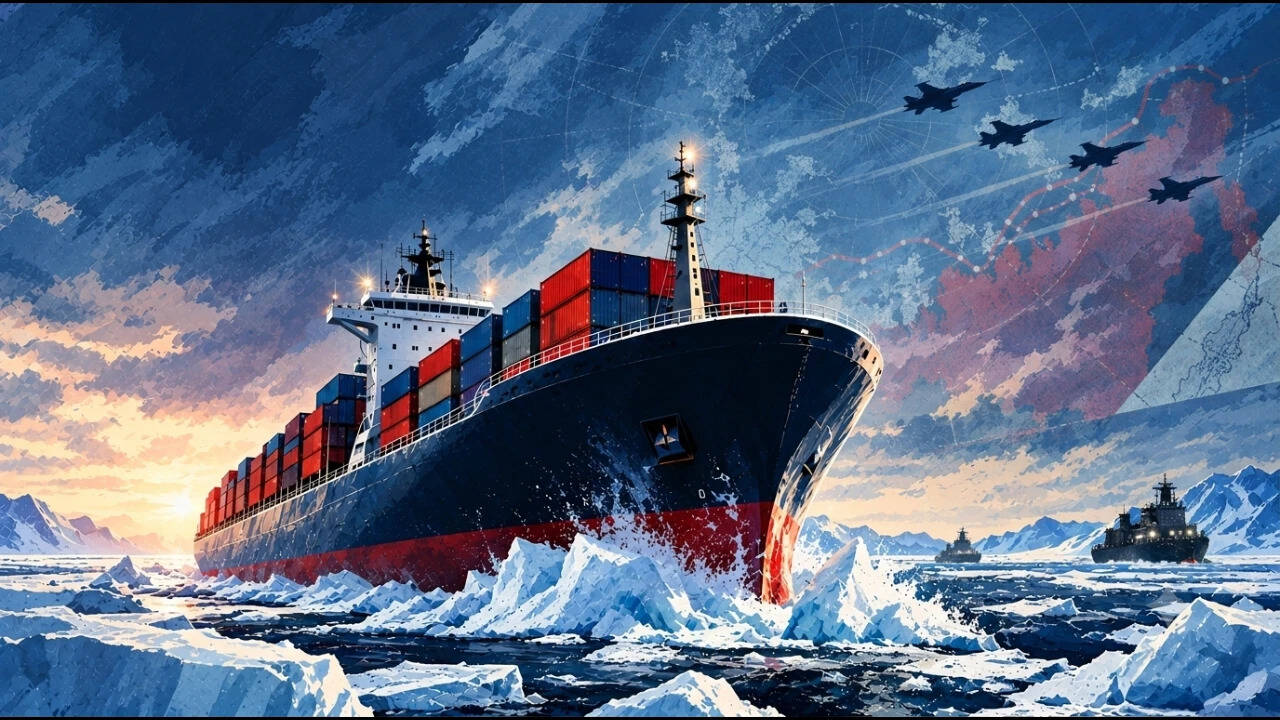
To understand why the Putin-Pezeshkian dialogue matters, one must examine the logistical map of Eurasia. For Moscow, the North-South Transport Corridor running through Iranian territory has transformed from a secondary trade option into a primary artery for bypassing European trade restrictions. For Tehran, technical and military cooperation with Russia offers a vital counterweight against diplomatic isolation. Yet, this relationship is fraught with historical mistrust. Iranian political factions remain acutely sensitive to any appearance of junior-partner status, while Russian planners have frequently treated bilateral commitments with transactional pragmatism.
The discussions held along the Caspian littoral were designed to address these friction points directly. Energy infrastructure projects, long delayed by bureaucratic inertia and financing bottlenecks, require constant high-level political propulsion to avoid total stagnation. When presidents meet behind closed doors, they are usually trying to force state-owned enterprises and reluctant ministries to hit deadlines that technical bureaucrats have missed for years.
Regional Instability and the Limits of Influence
The timing of the diplomatic engagement was equally telling. Operating against a backdrop of fragile Middle Eastern ceasefires and persistent regional tensions, both capitals face profound external pressures. Moscow has consistently positioned itself as a willing diplomatic facilitator, attempting to project influence across multiple geopolitical theatres simultaneously. For Iran, navigating these diplomatic channels requires balancing its immediate defense requirements with long-term economic survival.
Yet, external spectators frequently misread these summits as evidence of a monolithic anti-Western bloc. In reality, both nations operate with distinct national interests that frequently intersect but rarely merge completely. Iran's domestic imperatives—ranging from economic management to public anxiety over regional escalation—dictate a foreign policy that must remain flexible, even as its strategic reliance on Moscow deepens. Putin, similarly, approaches the partnership through the lens of Russia's overarching confrontation with NATO and its urgent need for non-Western supply chains.
Beyond the Official Communiques
Official readouts from such summits predictably emphasize mutual trust, shared regional stability, and accelerated trade integration. They gloss over the deep structural challenges facing both economies. Currency instability, incompatible banking standards, and competing interests in Central Asian and Caspian energy markets remain persistent obstacles.
As the diplomatic caravan packs up and leaders depart the Caspian coast, the real test of these high-level summits will not be found in the joint declarations signed under the cameras. It will be measured in whether concrete transit bottlenecks are cleared, whether financial messaging systems can bypass third-party interference, and whether the strategic partnership can withstand the unpredictable shocks of ongoing conflicts. The architecture of Eurasian realignment is being built piece by difficult piece, far away from public view, driven less by shared ideology than by the unyielding demands of geopolitical survival.
Putin meets Iran President Pezeshkian in Turkmenistan, offers Russia's help to end the conflict
This video provides footage and reporting on the bilateral meeting between Vladimir Putin and Masoud Pezeshkian during their diplomatic engagement in Turkmenistan.