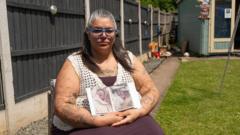
Imagine opening your mail or phone to see a picture of your deceased child, ruined by neglect. It is the stuff of actual nightmares, but for families caught up in the systemic meltdown at Nottingham University Hospitals (NUH) NHS Trust, horror was just the daily reality. This is not an isolated oversight or a minor administrative glitch. It's a deep-rooted, structural failure in how our most vulnerable people—grieving parents and their deceased babies—are treated by the state.
We always talk about maternity care failures from a clinical perspective: doctors missing distress signs, midwives overriding patient concerns, and understaffed delivery wards. But what happens after the tragedy? The shocking revelations out of Nottingham’s mortuaries prove that the disrespect and systemic incompetence did not end when a heart stopped beating. They continued right into the basement cold storage.
Beyond the Maternity Ward: The Mortuary Reality
A damning review led by independent senior midwife Donna Ockenden finally exposed the toxic culture at NUH. While the core report details how over 500 mothers and babies were harmed or died under the trust's watch, a truly sickening section focused entirely on the hospital's mortuary services.
Human Tissue Authority (HTA) inspectors went into Nottingham City Hospital and Queen's Medical Centre. What they found was a horror show. Eight bodies were discovered in states of "advanced deterioration" simply because staff failed to move them into freezers on time. The trust straight up ran out of space and decided that piling bodies up in inadequate refrigeration was an acceptable workaround.
The nightmare peaked when families were left to deal with the physical fallout. Take the tragic case of Harriet Hawkins, who was stillborn back in 2016. Her parents spent years trying to get answers about why their baby girl's body had decomposed so drastically while in hospital custody that she had to be "triple-bagged" just so she could be buried at her funeral. When a system treats a dead infant with less care than medical waste, the system is fundamentally broken.
Mismanagement, Arrests, and Zero Accountability
This isn't just about an unexpected spike in numbers or breaking a freezer. It points to an complete lack of basic operational discipline. Inspectors noted that staff weren't even checking identification wristbands before releasing bodies to funeral directors. They were literally passing along hermetically sealed bags without verifying who was inside, creating a massive risk of families burying the wrong person.
The rot runs so deep that the police had to step in. Nottinghamshire Police launched Operation Perth to dig into the criminal side of these operating practices. They have already arrested two men, aged 55 and 59, on suspicion of misconduct in a public office related to gross breaches of the Human Tissue Act.
Nottingham NHS Mortuary Failings At A Glance:
- 8 bodies found in advanced decomposition by HTA inspectors
- Criminal arrests under Operation Perth for mortuary misconduct
- Failures to check identity wristbands before releasing bodies to families
- Systematic lack of freezer space to accommodate deceased patients
Why Grieving Families Have Zero Faith Left
When you lose a baby, you are completely at the mercy of the hospital staff. You trust them to guide you through the worst moments of your life. But as bereaved mothers like Bryony Russo—who lost her daughter Emmy after a denied C-section—have pointed out, the entire system feels like "the luck of the draw." There is no uniformity of care, no baseline of human decency that you can count on.
Instead of receiving open communication and empathy, families confronting these mortuary failures were met with a wall of bureaucracy, victim-blaming, and cover-ups. The Ockenden report had to explicitly scream in bold print that this "culture of compounding of harm needs to stop!"
If you or someone you know has been affected by hospital or mortuary negligence, do not let them sweep your concerns under the rug. Document every single interaction with the trust. Demand your full medical and mortuary care records via a Subject Access Request (SAR). Contact independent patient advocacy groups like Sands or Action against Medical Accidents (AvMA) immediately to ensure your rights—and the dignity of your loved on—are fiercely protected.