Morocco just reshuffled its political deck. The Authenticity and Modernity Party secured 97 out of 395 seats in the House of Representatives, leaving old rivals scrambling and altering the kingdom's legislative trajectory. If you think this was just another routine ballot count, you missed the underlying seismic shifts in voter frustration, economic anxiety, and royal alignment.
Let's look at what actually happened behind the numbers.
Breaking Down the Numbers Behind the Win
The vote count delivered a clear message from the electorate. The Authenticity and Modernity Party—widely known as PAM—outpaced its competitors in a fiercely contested legislative cycle. Interior Ministry announcements confirmed the party clinched 97 seats, beating out other major contenders and setting the stage to form a new government.
Turnout hovered around 38 percent. That figure tells a story on its own. It reflects a weary public dealing with persistent economic hurdles, youth unemployment peaking near 29 percent for young adults, and general skepticism toward establishment politics. Voters showed up where it counted, but they did so with heavy reservations about whether politicians would actually deliver on job creation and inflation relief.
Founded in 2008 by Fouad Ali El Himma, an advisor to King Mohammed VI, PAM has always maintained close ties to the royal palace. Critics point to this alignment, while supporters argue it brings administrative stability and economic pragmatism. Either way, those ties heavily influence how the party operates, negotiates, and plans its legislative agenda.
The Coalition Puzzle and Who Runs the Show
Winning the most seats doesn't hand a party total control in Morocco's fragmented system. A governing majority requires 198 seats. That means PAM has to play master diplomat to build a workable coalition.
The political math gets tricky fast. The outgoing coalition included parties that took a beating at the polls. PAM has already signaled it won't simply replicate past partnerships, leaving room for new alliances with traditional heavyweights like the Istiqlal party and smaller political bodies.
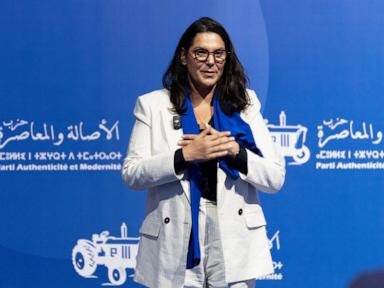
At the center of these coalition talks stands Fatima-Zahra El Mansouri, a prominent figure within the party and mayor of Marrakech. Her leadership role places her front and center for the prime ministerial appointment, which could shatter historic glass ceilings and introduce a new chapter of executive leadership in North Africa.
What Voters Actually Care About Now
Elections are won on campaign trails, but governments survive on economic reality. Right now, everyday Moroccans care about three things: jobs, cost of living, and public services.
Youth unemployment remains a massive roadblock. Thousands of graduates enter a job market every year that simply cannot absorb them fast enough, driving migration pressures and urban frustration. Inflation has squeezed household budgets, making basic goods noticeably more expensive than they were five years ago.
On top of domestic pressures, the incoming administration faces high-stakes international preparations. Morocco is gearing up to cohost the 2030 World Cup. Billions of dollars will flow into infrastructure, tourism, and urban development. The party steering Parliament must ensure those funds translate into sustainable economic growth rather than short-term vanity projects.
The Opposition Factor and Public Skepticism
Don't ignore the opposition's performance. The Justice and Development Party bounced back with a surprising 54 seats, landing fourth and proving that Islamist political currents retain a dedicated base despite past electoral punishments. Their resurgence highlights a fractured electorate divided between reformists, traditionalists, and pragmatists.
Public trust remains fragile. Many citizens feel that political promises rarely translate into tangible neighborhood improvements. When turnout drops below 40 percent, politicians lose the luxury of claiming a sweeping mandate. PAM must govern with absolute awareness that voters are watching closely and running out of patience.
Watch the coalition announcements over the coming weeks. Pay attention to how cabinet portfolios are distributed and whether economic portfolios go to technocrats or career politicians. That choice will tell you everything you need to know about how serious this new government is regarding structural reform.
Morocco's Authenticity and Modernity Party wins parliamentary
This video provides a concise news report detailing the Authenticity and Modernity Party's victory in the Moroccan parliamentary elections.