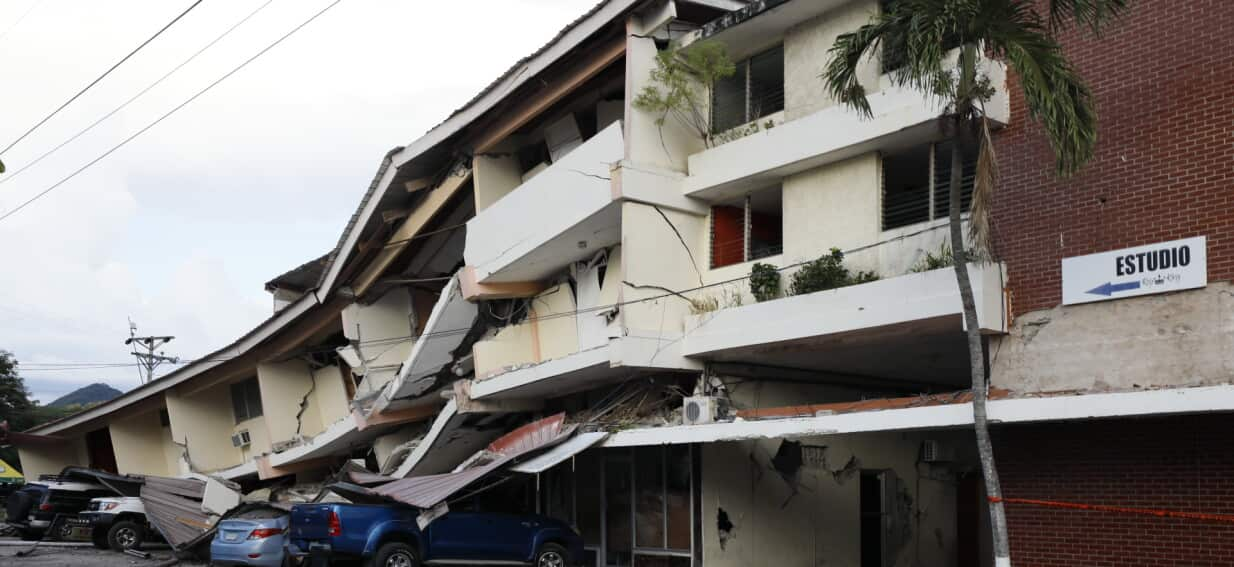
The coffee in Mateo’s hand did not spill. That was the first detail he remembered when the world began to unhinge.
It was an ordinary morning in Balboa, the kind where the tropical air feels thick enough to carve with a knife and the hum of cargo ships moving toward the Pacific forms a steady, comforting background noise to daily life. Then came the sound. Not a crack, but a low, subterranean groan—the noise of ancient stone and deep-seated tectonic plates remembering they are alive.
When a magnitude 6.3 earthquake struck offshore from Panama, the immediate panic was not about falling drywall or shattered windows. It was about the throat of global commerce. It was about the Panama Canal.
We live in a fragile architecture of our own making. We carve ditches through jungles, span oceans with steel cables, and pretend that the earth beneath our feet is a permanent, stationary floor rather than a thin, cooling crust floating on a sea of magma. For a few terrifying seconds, that illusion shattered. The tremor, striking south of the Azuero Peninsula and felt keenly across Panama City and the Canal Zone, triggered the kind of collective breath-holding that stops economies in their tracks.
Consider what actually happens when the ground moves violently in a country that acts as the world’s maritime turnstile.
The Canal is not merely a trench filled with water. It is a hyper-engineered, gravity-fed staircase of locks, massive concrete monoliths, and artificial lakes regulated by electronic sensors, hydraulic gates, and human vigilance. A severe seismic event can warp rail lines, crack lock walls, trigger landslides in the narrow Culebra Cut, or knock out the electrical grids that keep millions of gallons of water flowing precisely where they need to go. If the locks fail, the global supply chain seizes up. Ships carrying grain, electronics, oil, and consumer goods stall out in both oceans, turning the blue highways of international trade into floating parking lots.
As the shaking subsided and Mateo set his untouched coffee down on the counter, the emergency protocols kicked in instantly.
In the control rooms of the Panama Canal Authority, engineers did not panic. They trained for this. Decades of institutional memory, born from living on the restless edge of the Caribbean and Nazca tectonic plates, mean that every tremor is met with immediate, methodical discipline. Operations were temporarily halted. Inspectors deployed like ants across the lock chambers, scanning concrete for micro-fissures, checking track alignments, and verifying that the earth had not shifted the delicate balance of Gatun Lake.
Hours later, the verdict came in. The earth had roared, but the locks held. Traffic resumed. The ships kept moving.
To the casual observer watching news tickers from thousands of miles away, it was a non-event. A near miss. A bullet dodged.
(To be clear, when we speak of a "near miss" in the context of plate tectonics, we are describing a massive release of subterranean energy that happened to dissipate without catastrophic structural failure—though minor property evaluations and localized scares certainly occurred.)
Yet, reducing this event to a mere statistical footnote misses the profound human reality of what it means to live in the shadow of giants.
Every single day, thousands of workers, sailors, engineers, and ordinary families wake up knowing that their livelihood—and the logistical heartbeat of the planet—rests on a narrow strip of land prone to nature's most violent caprices. They do not dwell on it constantly; human beings are remarkably adept at normalizing existential risk. But when the ground shakes, the veneer of invincibility drops away.
In the neighborhoods surrounding the Canal, people stepped out onto their balconies, looking toward the massive gantry cranes and the towering masts of container ships waiting in the bay. They checked on their neighbors. They tested cell signals. In those quiet moments after the tremor, there was a shared, unspoken acknowledgment of how quickly our modern conveniences can be upended by forces older than human history.
The earthquake off the coast of Panama was a reminder written in seismic waves. It told us that our greatest triumphs of engineering are only as secure as the stone beneath them. We can dredge the earth, connect two oceans, and move billions of dollars of cargo across the globe before breakfast, but we remain tenants on a restless planet.
The ships are moving through the locks once more. The water in the Canal is calm again, reflecting the bright tropical sky. But deep beneath the jungle floor, the plates continue their slow, relentless drift, waiting for the next time they decide to remind us who is truly in charge.


