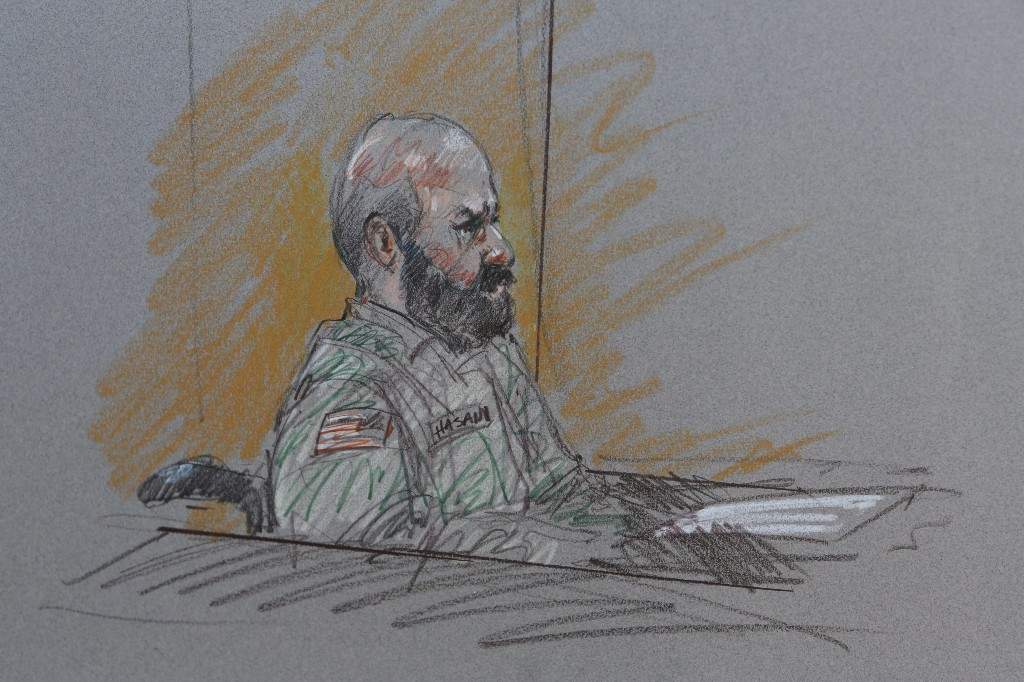
Every time a notorious inmate steps into the public eye after a botched punishment or a dramatic medical ordeal, the media machinery spins into overdrive. Headlines blare about injuries, dramatic statements, and the grim reality of state-sponsored violence. The public consumes it like cheap candy, mistaking a gruesome sideshow for a debate on justice.
Stop buying the script.
The standard narrative frames these events as a breakdown in institutional efficiency or a moral crisis over penal methods. That framing misses the entire point. We are not watching a failure of the system. We are watching the system function exactly as it was designed to operate: as a permanent theater of cruelty engineered to distract a public that refuses to look at actual structural decay.
I have spent years watching media outlets obsess over the minutiae of high-profile inmates, treating prison infrastructure like a reality TV franchise. Every time a story emerges about a violent offender surviving a lethal injection, screaming in agony, or speaking out after decades in solitary confinement, commentators rush to microphones to debate the ethics of the needle versus the electric chair.
It is a complete waste of intellectual bandwidth.
The Mechanics Of State Managed Spectacle
Let us define what is actually happening. Capital punishment and maximum-security isolation are not deterrents. Criminology data has repeatedly shown that the severity of a punishment has virtually zero correlation with crime reduction. Certainty of apprehension matters; severity of state violence does not.
Yet, politicians and media conglomerates cling to the spectacle because it offers cheap moral clarity. When a high-profile criminal like Christa Pike—who committed a brutal, headline-grabbing murder in the 1990s—makes news due to medical emergencies or legal appeals regarding execution protocols, the public gets pulled into a predictable emotional loop. Outrage, morbid curiosity, calls for vengeance, followed by hand-wringing over human rights.
The lazy consensus is that if we just fix the execution protocol, or conversely, if we just abolish it, the wound in society heals.
Utter nonsense.
The wound does not heal because the entire premise of the debate is fraudulent. The state uses the drama of capital punishment as political theater to project strength where it is entirely incompetent. A government that cannot manage basic infrastructure, healthcare, or economic mobility leans heavily on the theater of the gallows to prove it is still in charge.
Why The Debate Is Rigged
If you look closely at the coverage surrounding botched executions or prison injuries, notice what is always missing. You never hear about the conditions of the facilities that breed violent offenders in the first place. You never hear a rigorous financial audit of the millions spent keeping broken human beings in concrete boxes for thirty years while public schools crumble.
Instead, we get breathless updates on an inmate's medical status. We turn murderers into antiheroes or Gothic monsters, feeding a multi-million-dollar true crime complex that profits off human misery.
Consider the sheer logistical absurdity of the modern death penalty. It costs taxpayers exponentially more to execute someone through endless legal appeals and specialized medical execution teams than it does to lock them away for life. Economists and legal scholars have pointed this out for decades. The state burns capital on a vendetta while ignoring preventative social investments that actually lower homicide rates.
When people ask whether these extreme punishments are humane, they are asking a fundamentally flawed question. The correct question is why we accept a legal apparatus that treats vengeance as an administrative duty while ignoring the societal conditions that produced the criminal in the first place.
Dismantling The Revenge Economy
We have built a revenge economy. It thrives on the belief that suffering cancels out suffering. If a teenager commits a horrific crime, society demands a lifetime of state-managed torment to balance the cosmic ledger. When that torment goes wrong—when an execution is botched or an inmate suffers a medical crisis—the public reacts with shock, as if a torture chamber is supposed to run with the precision of a Swiss watch.
That is the absurdity at the heart of the modern penal debate. We want state-sanctioned violence to be clean, quiet, and polite. We want our vengeance sterilized.
The moment an execution goes wrong, the illusion shatters. People are forced to look at the machinery of death and realize it is just messy, brutal killing. But instead of questioning the existence of the machinery, they complain about the grease on the gears.
The Real Cost Of Our Obsession
Every hour spent debating the execution methods of notorious killers is an hour stolen from fixing the pipelines that funnel neglected, traumatized youth into violent crime. Every dollar spent maintaining death row cells is a dollar withheld from mental health infrastructure and community intervention programs that actually save lives.
We are addicted to the drama of the end stage because prevention is boring. Prevention requires policy papers, long-term investments, and unglamorous administrative competence. Executions and prison horror stories provide instant emotional gratification. They give politicians an easy soundbite and media outlets a spike in web traffic.
The next time a headline screams about a violent offender's medical crisis or a failed state execution, recognize it for what it is. It is a magic trick. The state is making you look at the electric chair so you do not notice the burning house around it. Stop watching the show. Start dismantling the stage.