Montreal's aging infrastructure is showing its cracks. Big time.
If you live anywhere near the city, you've probably heard the warnings about saving water while massive aqueduct repairs drag on. But most people tuning into local news updates only get the surface-level panic. They hear "save water" and assume it's just a minor inconvenience or a short-term bureaucratic headache. It is so much worse than that. Fixing a century-old pipeline network beneath a bustling metropolis isn't like swapping out a garden hose. It involves high-stakes engineering, urgent structural overhauls, and a massive reliance on everyday residents to keep the municipal system from buckling. In related updates, read about: The Mechanics of Surf Rescues and Elite Civilian Recognition.
You're dealing with a network that feeds millions of people daily. When a primary feeder pipe fails or undergoes emergency rehabilitation, the margin for error drops to almost zero.
The Reality Behind Montreal Aqueduct Repairs
Let's look at what's actually happening underground. Montreal relies on a sprawling, ancient network of aqueducts and water mains. Many of these pipes were laid down generations ago. They are rusting, shifting with the freeze-thaw cycles of Canadian winters, and buckling under the weight of modern traffic. USA Today has analyzed this critical subject in great detail.
When engineers spot a critical vulnerability in a major trunk line, they have to shut sections down. That forces the remaining network to carry a heavier burden.
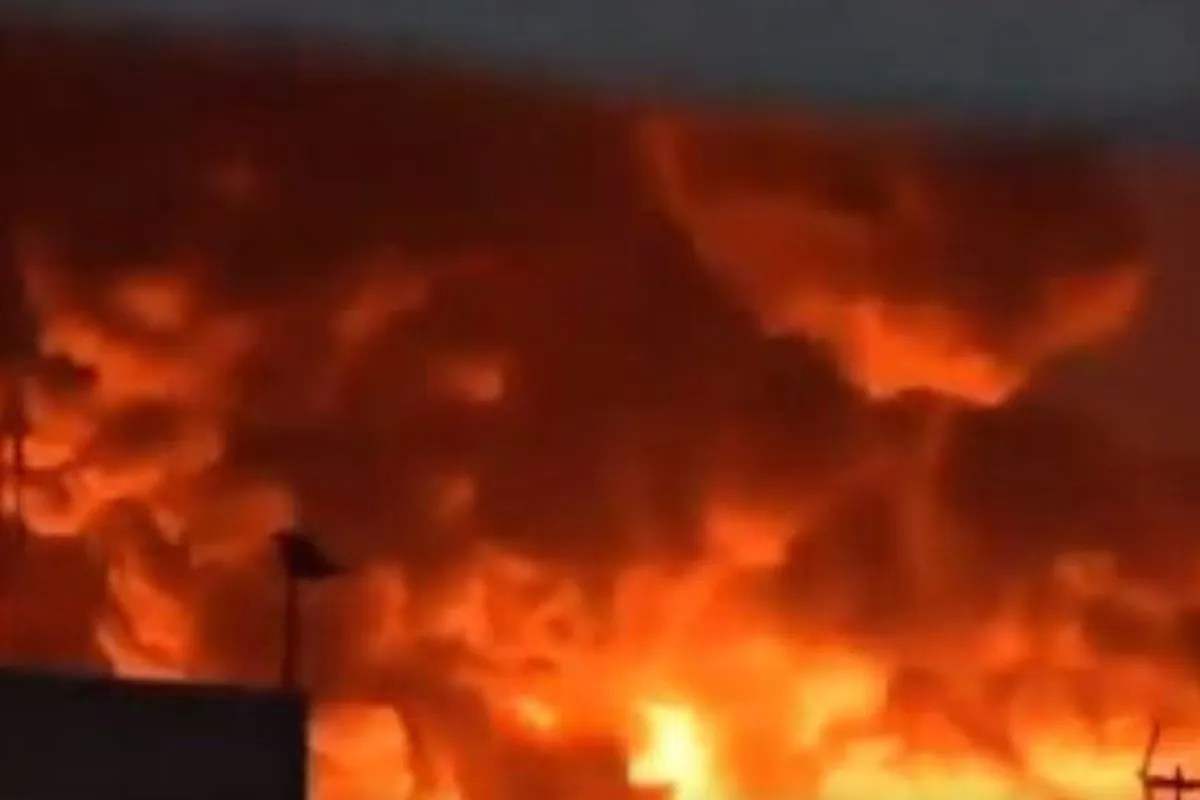
Think of it like a highway system where three out of five lanes close during rush hour. Traffic grinds to a halt. In a water system, pressure drops. Pumping stations strain. If a major fire breaks out while a primary aqueduct is offline or throttled for repairs, firefighters need that water pressure immediately. That is the exact reason municipal officials panic when daily consumption spikes. They aren't trying to micromanage your lawn watering habits just to be annoying. They are trying to prevent a catastrophic pressure drop that could leave entire neighborhoods high and dry during an emergency.
Most people don't realize how close major cities run to the edge.
What the Coverage Misses
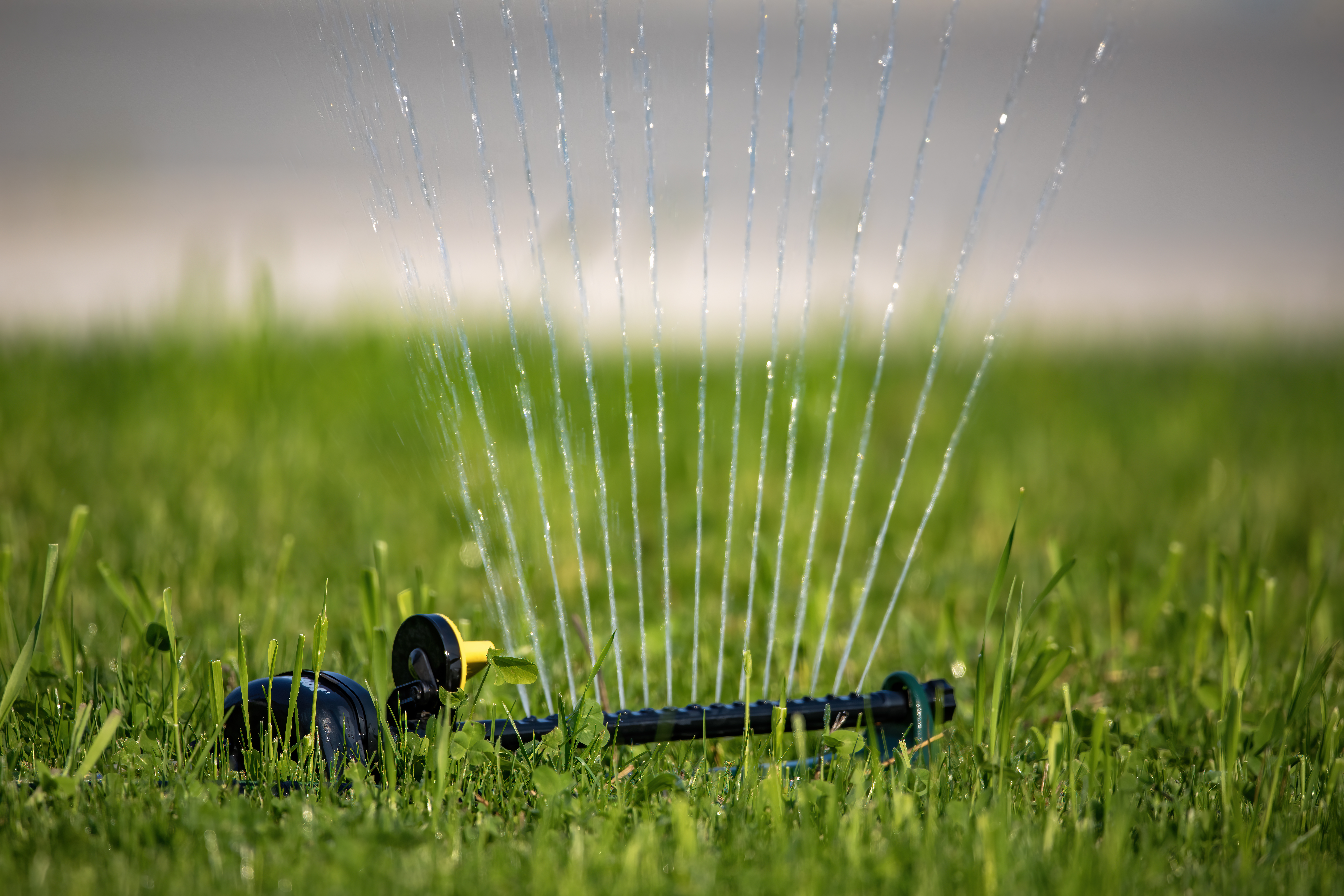
Standard news reports usually give you the standard bullet points. Boil it down: fix leaks, take shorter showers, don't run the sprinkler.
They miss the human element and the sheer scale of the engineering feat. Workers are down in claustrophobic, damp, pitch-black subterranean chambers dealing with massive steel and concrete cylinders. They are cutting out corroded sections while millions of gallons of water rush past nearby valves.
Another detail left out of the nightly broadcast is the cost of inaction. Ignoring these repairs doesn't save money. It leads to catastrophic main breaks that swallow entire city blocks in seconds. You've seen the viral videos of geysers erupting through asphalt, turning intersections into raging rivers. Those aren't flukes. They are symptoms of systemic neglect. When Montreal urges residents to dial back usage during these construction windows, it buys engineers the breathing room they desperately need to weld, patch, and reinforce without blowing the system apart.
Common Mistakes People Make During Water Restrictions
You want to help. Or at least, you don't want a fine from the city. Yet, everyday habits die hard.
- Ignoring the dripping faucet: A single leaky tap wastes thousands of gallons a year. Multiply that by two million residents. It adds up fast.
- Washing cars with an open hose: Letting water run continuously while scrubbing your vehicle is a massive waste. Use a bucket with a shut-off nozzle instead.
- Running half-loads: Throwing a tiny handful of clothes into a massive washing machine cycle wastes both power and water.
People assume their individual drops in the bucket don't matter. They think, My lawn is small, what difference does it make? But collective consumption drives the city's hourly metrics. If everyone decides conservation is someone else's job, the telemetry spikes. The pumps scream. The city reacts by slapping mandatory bans on everyone, punishing the responsible folks right along with the careless ones.
Practical Steps You Can Take Today
You don't need to live like a medieval hermit to make a dent in your daily water footprint. Small tweaks work wonders.
Start by checking your toilet flapper. A silent leak inside the tank can drain hundreds of gallons a day without you ever noticing. Drop a little food coloring in the tank. If it seeps into the bowl without you flushing, you have a leak. Fix it.
Change how you tackle dishes. Stop letting the tap run full blast while you scrub plates. Fill one side of the sink with soapy water and the other with rinse water.
When it comes to outdoor habits, timing is everything. If you must water plants or gardens, do it early in the morning. The sun hasn't baked the earth yet, meaning less water evaporates into thin air. Better yet, set up a rain barrel. Mother Nature provides free water from the sky. Catch it and use it for your flowers.
Montreal will keep updating its citizens as these massive aqueduct projects crawl toward completion. The concrete will cure, the steel will hold, and the pressure will stabilize. Until that day arrives, your taps remain tied to a fragile, breathing machine. Treat every drop like it actually matters, because right underneath the pavement, it does.