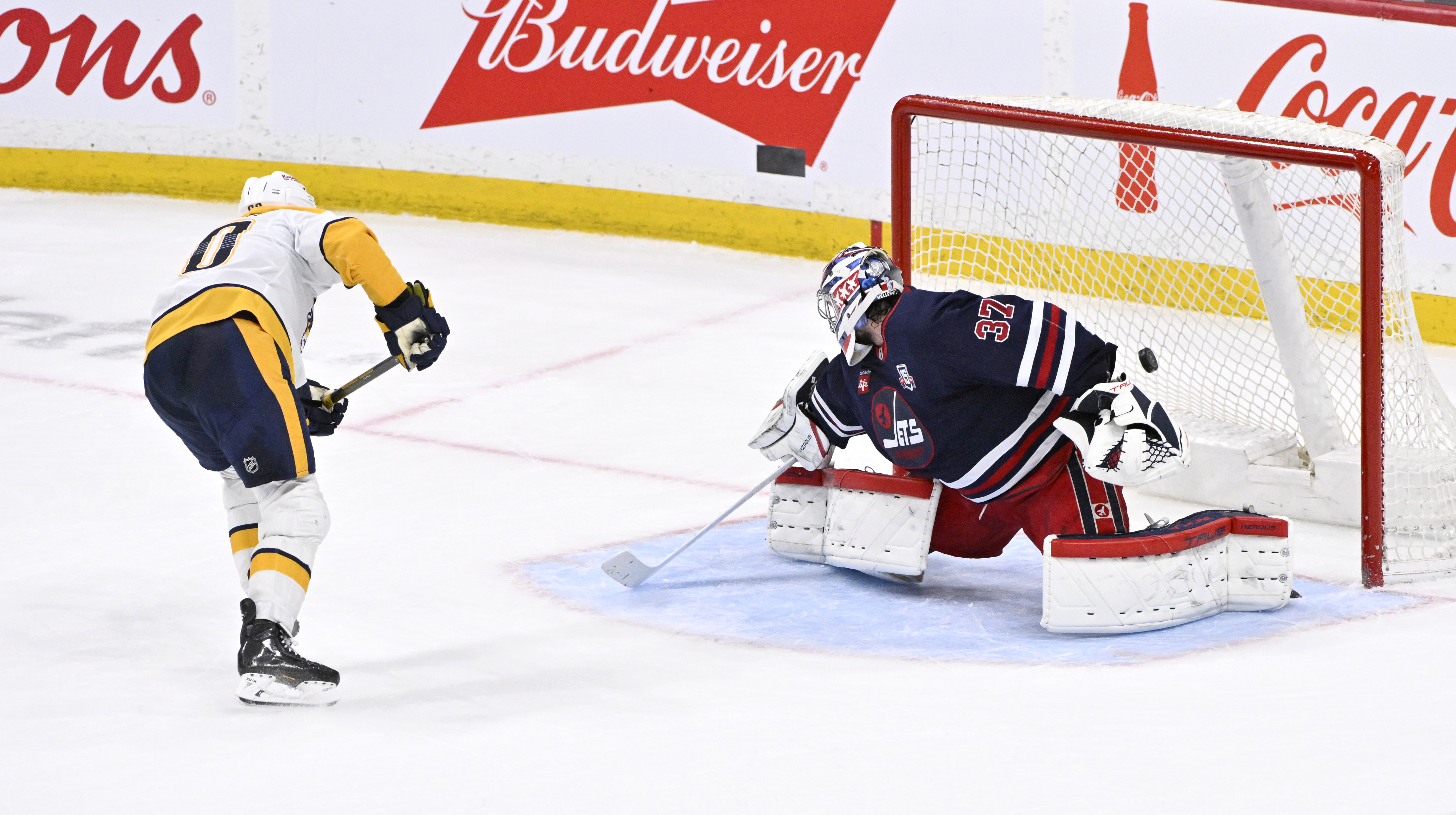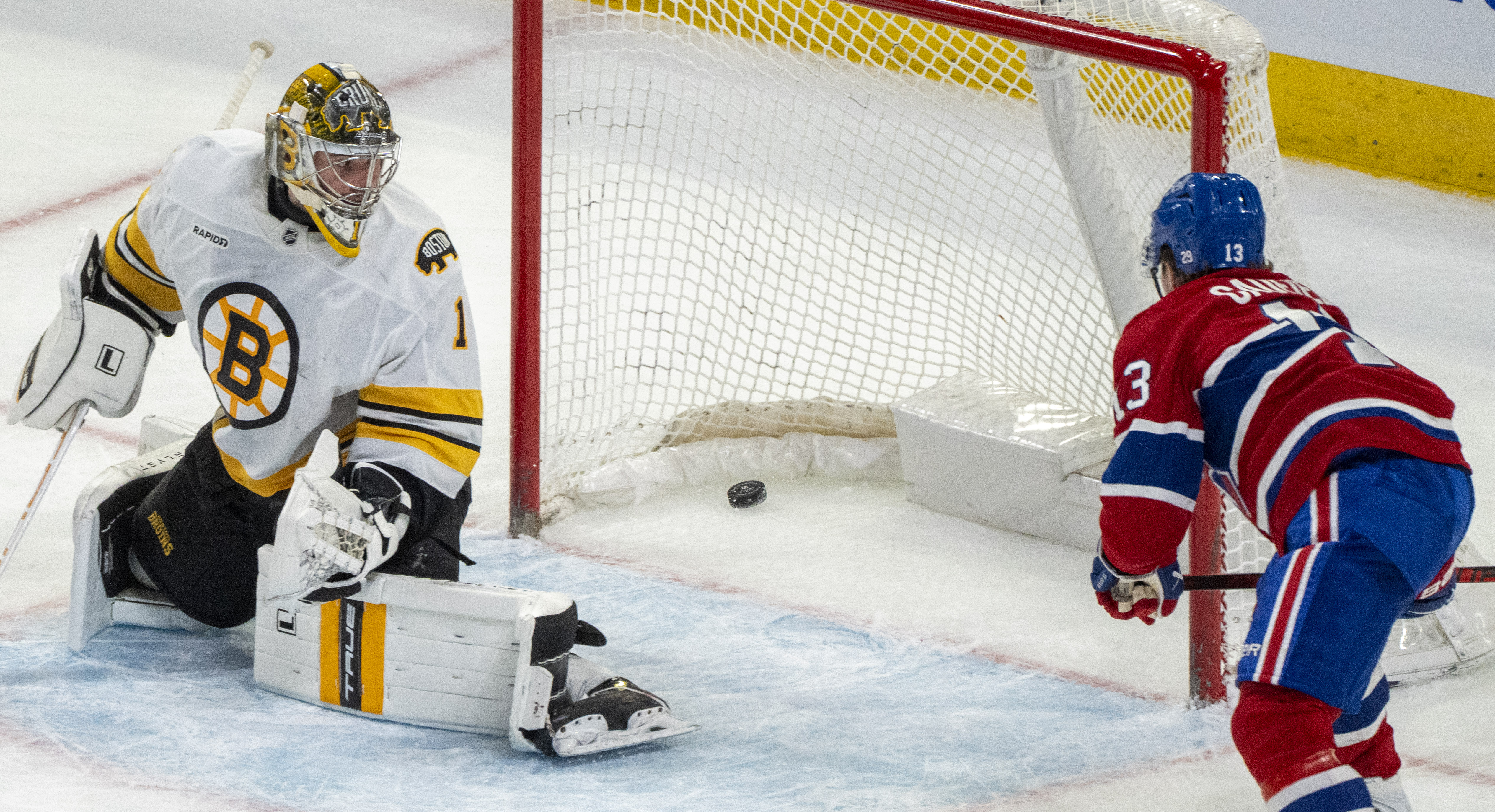
The standard recap of the Canadiens’ 3-2 overtime win against the Boston Bruins reads like a fairy tale. You’ve seen the headlines: "Character Win," "Resilience at the Bell Centre," and the inevitable praise for "finding a way."
It is all a lie.
What the mainstream hockey media calls a "thriller," I call a systemic failure wrapped in a lucky overtime goal. If you are celebrating this win as a sign that the rebuild is ahead of schedule, you are falling for the oldest trap in professional sports. You are valuing the dopamine hit of a Saturday night victory over the structural integrity of a championship-caliber roster.
The Montreal Canadiens didn't "beat" the Bruins; they survived a superior system through individual brilliance and a series of statistical anomalies that won't repeat themselves when the games actually matter in April.
The Myth of the "Gritty" Overtime Victory
Let’s look at the shot heat maps. Let’s look at high-danger scoring chances. If you actually watch the tape instead of just tracking the box score, you saw a Boston team that controlled the neutral zone for forty minutes.
The "lazy consensus" is that Montreal’s young core is learning how to win. The reality? They are learning how to rely on goaltending to mask defensive zone exits that are, frankly, amateur. When you spend 60% of your even-strength minutes pinned in your own end, you aren't "showing grit." You are failing to execute a modern breakout.
The Bruins are a machine. They play a structured, suffocating 1-2-2 that forces turnovers. Montreal won because Kaiden Guhle and Nick Suzuki played out of their skins, not because the Canadiens’ system worked. Relying on your stars to play 25 minutes a night just to squeak past a divisional rival is a recipe for a February collapse. I’ve seen teams ride this "heart and soul" wave for three months only to realize they have no puck-possession identity when the league tightens up.
Why Winning This Game Is Bad for the Rebuild
This is the take that gets me kicked out of the sports bars on Sainte-Catherine: winning these games is a net negative.
The Canadiens are in a precarious "mushy middle." They are too good to guarantee a top-three draft pick but too flawed to make a legitimate run. Every time they "dig deep" to beat a contender like Boston in November, they validate a flawed process.
- False Confidence in the Bottom Six: When your third and fourth lines get caved in but the team wins anyway, the coaching staff avoids making the hard cuts.
- Defensive Regression: Over-reliance on a hot goaltender (whether it's Montembeault or Primeau) teaches young defensemen that they can afford to miss a man-marker because "the kid will save us."
- Draft Capital Erosion: In a loaded draft, moving from the 5th pick to the 12th pick because of a few "character wins" is a catastrophic failure of long-term planning.
Dismantling the "People Also Ask" Delusions
"Is Cole Caufield a true elite goal scorer?"
The public wants a "yes." The data says "not yet." Caufield is a volume shooter who thrives on power-play looks. In the 3-2 win, he was largely invisible at 5-on-5. To be elite, you have to drive play. You have to make the defenders back up because they fear your entry, not just your release. Right now, Caufield is a luxury item on a team that needs foundational pieces.
"Should the Canadiens trade for a veteran defenseman?"
This is the "win-now" poison talking. Adding a 32-year-old "stabilizing force" to help win more 3-2 games is how you become the 2015 Minnesota Wild—eternally stuck in the first round. The current blue line needs to make mistakes. They need to get burned. They need to lose 5-2 so the flaws become impossible to ignore.
The High-Danger Chance Mirage
We need to talk about Expected Goals (xG). In this "thriller," the Bruins' xG was significantly higher than Montreal's.
In hockey, luck is a measurable variable. You can point to the "clutch" factor of an overtime winner, but over an 82-game season, the team with the higher xG wins. The Canadiens are currently playing a high-variance style that relies on opportunistic finishing. It's exciting. It sells jerseys. It’s also unsustainable.
If you want to build a dynasty—a real one, like the 70s Habs or the modern-day Lightning—you don't celebrate 3-2 OT wins where you were outshot 2-to-1 in the second period. You analyze why your centers couldn't support the puck on the half-wall. You fix the fact that your power play looks like a frantic game of keep-away rather than a calculated assassination.
The Cult of the Bell Centre
The Montreal media environment is an echo chamber of nostalgia. Because the building was loud and the "Ole" chants were ringing, the game is labeled a success.
This is emotional analysis, not professional analysis.
The Bruins walked out of that building with a point and the knowledge that their system works. They dictated the pace. They forced Montreal to play "small ball" hockey. If these two teams play a seven-game series tomorrow, Boston wins in five.
Stop looking at the scoreboard. Start looking at the gap between the defense and the forwards during transitions. Start looking at the lost puck battles in the corners. Montreal is winning on vibes; the rest of the Atlantic Division is winning on physics.
The Actionable Truth
If the Canadiens organization actually wants to move the needle, they need to stop coaching for the Saturday night standings and start coaching for puck dominance.
- Bench the "Safe" Veterans: If a veteran is playing "safe" hockey but providing zero offensive upside, play the rookie who might turn it over but has a 10% higher ceiling.
- Kill the "Grind it Out" Mentality: You don't "grind" your way to a Cup anymore. You skill your way there. The 3-2 win was a "grind." It was ugly. It was a relic of 1990s hockey.
- Accept the Blowouts: To get better, this team needs to stop trying to "steal" games and start trying to "own" them. If that means losing 6-1 while trying to implement a more aggressive offensive zone pinch, so be it.
The Boston Bruins aren't losing sleep over this loss. They know they are the better team. The Canadiens shouldn't be celebrating it, either. They should be terrified that their biggest win of the month was actually a fluke.
Stop cheering for the result and start demanding a better process.
Go check the shot charts. Then tell me I’m wrong.