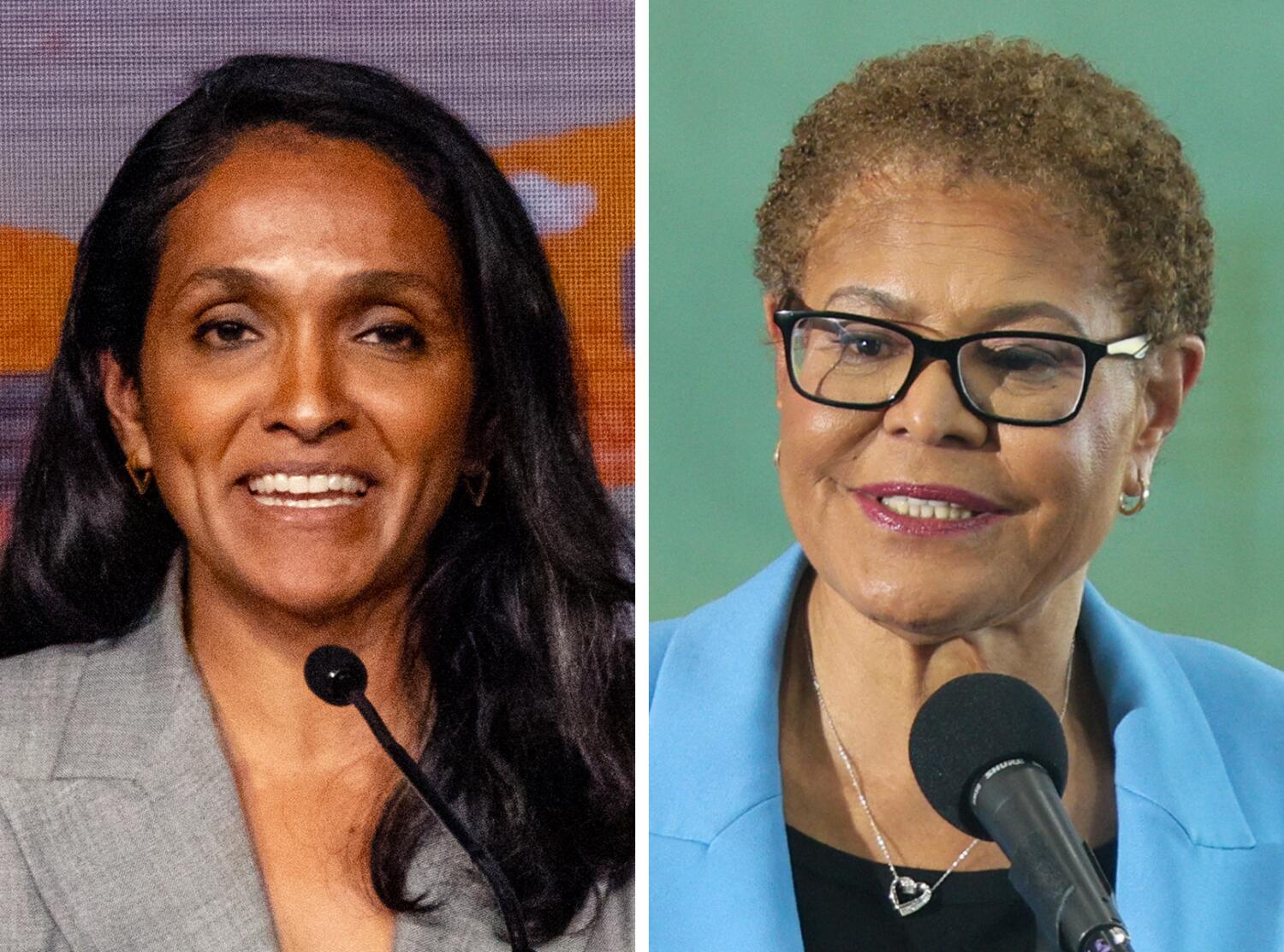
Campaign finance filings often tell a clean, simple story. On paper, Mayor Karen Bass entered the final stretch of the Los Angeles mayoral runoff with an impressive show of fundraising force. She brought in direct donations, commanded strong institutional backing, and outpaced challenger Nithya Raman in raw late-stage fundraising totals.
Look closer at the numbers, though, and that headline collapses.
While Bass posted bigger individual donor numbers in certain reporting windows, Raman played a completely different game. By maximizing the city’s public matching funds program and building a passionate small-dollar base, the city councilmember entered the final weeks with significantly more cash on hand. That tactical cash advantage ultimately helped Raman pull off a massive upset victory on November 3.
Here is what really happened beneath the surface of the campaign finance disclosures, and why traditional fundraising metrics misled political observers right up to election day.
The Public Matching Funds Multiplier
Conventional wisdom says incumbent mayors in major American cities hold an unassailable financial advantage. They have direct access to deep-pocketed donors, real estate developers, labor unions, and established political action committees.
Bass certainly used those advantages. But Los Angeles operates under a powerful campaign finance equalizer: a public matching fund system that provides a 6-to-1 match on qualifying local contributions, capped at $257 per donor.
Raman’s strategy leaned into this mechanism with surgical precision.
Rather than relying solely on high-dollar fundraising events, her team mobilized nearly 4,000 individual local donors. That grass-roots surge qualified her for maximum matching funds, effectively turning modest $250 checks into over $1,700 in usable campaign cash.
Out of her total $2.53 million raised heading into the fall, over $1.4 million came straight from public matching funds. Bass, while keeping pace in total money raised at roughly $2.51 million, relied much more heavily on traditional direct contributions.
Cash on Hand vs Late Inflows
Raising money is only half the battle. When you spend it matters just as much.
Headline figures showing Bass outpacing Raman in recent fundraising missed a critical metric: total liquidity heading into the final stretch.
Because Raman burned less capital during the earlier stages of the campaign, she built a substantial war chest. By late September, campaign disclosures revealed that Raman held $1.9 million in cash on hand, compared to Bass’s $1.2 million.
Having an extra $700,000 sitting in the bank allowed Raman to dominate key advertising channels in the weeks leading up to voting. It funded extensive field operations, targeted digital outreach, and television buys right when late-deciding voters were tuning in.
Money coming in late via fundraising events often comes tied up in commitments or arrives too late to book premium ad slots efficiently. Cash sitting in the bank weeks ahead of time offers pure strategic flexibility.
Outside Spending and the Limits of Endorsements
You can't discuss LA politics without looking at independent expenditure committees. Outside groups poured millions into the race, creating a chaotic advertising environment for city voters.
Independent groups representing public safety unions and business interests spent heavily to boost Bass and oppose Raman. Meanwhile, progressive advocacy organizations and tenant rights groups rallied behind Raman.
Heavy outside spending often backfires in modern municipal politics. Voters in progressive cities have grown skeptical of massive political action committee campaigns. When voters saw millions of dollars in negative ads flooding their screens, it often reinforced Raman’s narrative that she was fighting an entrenched political establishment.
Core Lessons for Local Campaigns
The mayoral race provided a playbook for how grassroots campaigns can defeat well-funded incumbents in cities with public financing options.
- Prioritize donor volume over donor cap size: Qualifying for maximum public match multipliers creates a far higher return on investment than hosting high-dollar dinners.
- Protect your burn rate early: Saving liquidity for the final 30 days provides far more leverage than spending early to chase headlines.
- Build authentic local networks: Small-dollar local donors don't just give money; they knock on doors, talk to neighbors, and show up on election day.
Money will always play a dominant role in American elections. But as this race proved, how that money is raised and when it gets spent matters far more than raw totals on a finance report.
Check your city's official ethics commission portal to see how local candidate matching funds and independent expenditure reports are tracked in your own municipal elections.