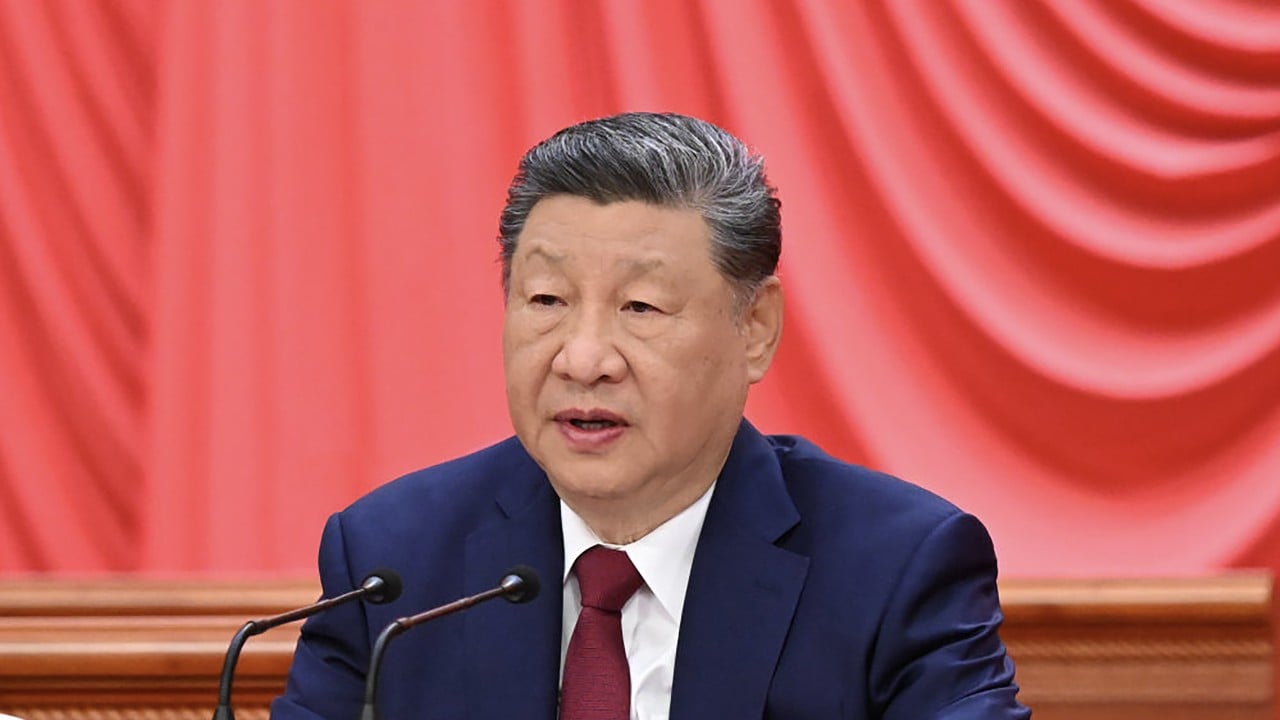
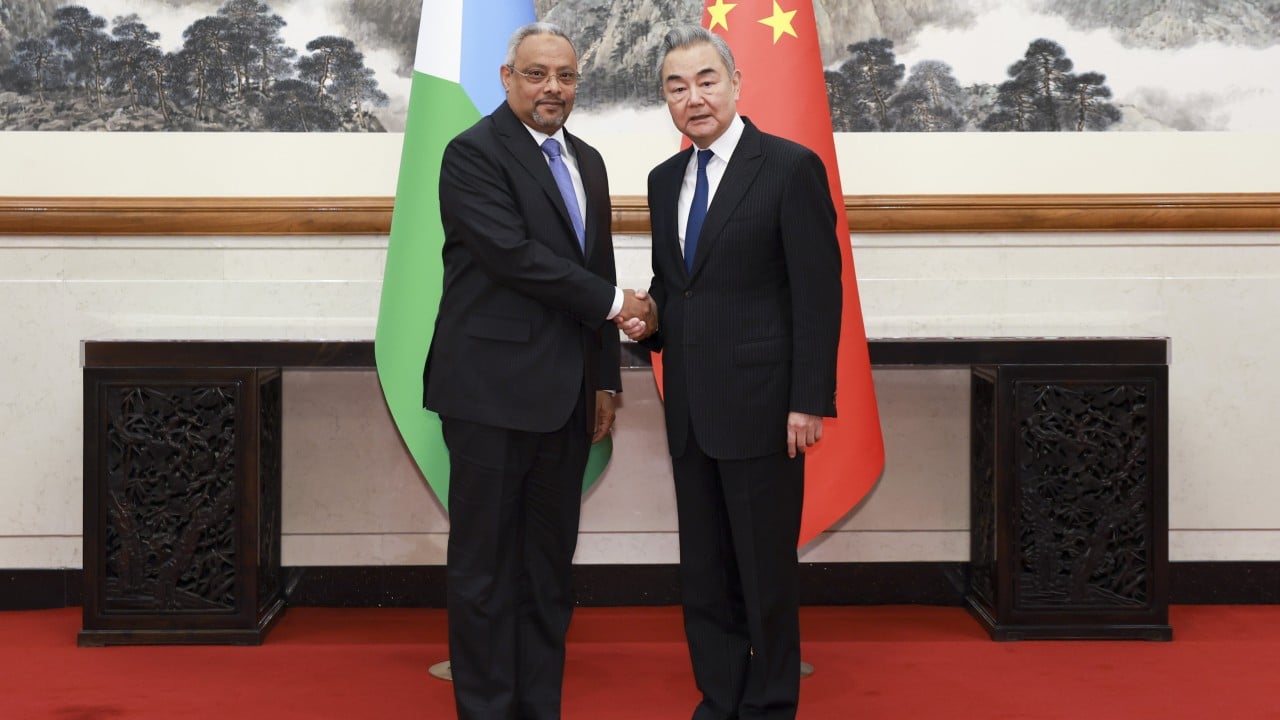
Diplomatic summits and incoming missiles are running on the exact same clock right now.
If you watched the news out of Shenzhen, Berlin, and Kyiv over the past few days, the whiplash is hard to miss. On November 19, 2026, U.S. President Donald Trump, Russian President Vladimir Putin, and Chinese leader Xi Jinping met in Shenzhen and signed a trilateral declaration on peace and nuclear risk reduction. Barely hours later, overnight into November 20, Russia unleashed a massive barrage of missiles and drones across Ukraine—hitting three major bridges over the Dnipro River in Kyiv, knocking out heat, water, and power in parts of the capital, and sending munitions onto Polish territory. All while Ukrainian President Volodymyr Zelensky met with European leaders in Berlin to prepare for renewed negotiations and push for ceasefires on energy sites and Black Sea shipping.
At the same time, long-range Ukrainian drone strikes inside Russia—including major attacks on oil facilities, transport hubs, and regions around Moscow—have turned retaliatory escalation into a near-daily rhythm. People keep asking a simple question: why do both sides hit harder right when diplomacy is supposedly moving forward?
Short answer. Neither side trusts talks to protect its leverage on their own.
Why Escalation Surges Alongside Peace Talks
It looks crazy on paper. Leaders talk about de-escalation or peace frameworks in conference rooms while ballistic missiles and long-range drones fly through the night.
In practice, negotiators treat military pressure as part of the bargaining table, not a pause button. When diplomats gather—whether in Abu Dhabi earlier in November, in the UAE back in January, or around high-level summits in Shenzhen and Berlin—every strike is meant to shape what happens next.
From Moscow's perspective, hitting Kyiv's power grid, heating systems, and river crossings right as winter sets in serves two purposes at once. It strains civilian morale and logistics inside Ukraine, and it signals to Washington and Beijing that Russia sets the terms of pain. After Ukrainian forces struck the Kerch Bridge linking Crimea to mainland Russia—hitting it repeatedly ahead of the diplomatic push—Putin vowed "far more painful" retaliation, and the overnight barrage on Kyiv followed directly on the heels of that pledge.
Kyiv plays a different hand with fewer heavy missiles. Sending waves of long-range drones toward Russian territory, including targets in the Moscow region and energy or logistics hubs deeper inside Russia, imposes costs on the Russian homeland. Even when air defenses intercept most drones, incoming raids force Moscow to divert air-defense batteries, disrupt flights and fuel logistics, and remind Russian elites that the war isn't neatly contained on Ukraine's eastern front.
Diplomacy doesn't freeze a war in place. Usually, both sides sprint to improve their hand before a single word of a truce is signed.
🔗 Read more: Cultural Diplomacy and Philatelic Economics
The Shenzhen Summit Gap
Look closely at what happened in Shenzhen on November 19, and you can see why the fighting didn't stop.
Trump, Putin, and Xi issued a joint declaration emphasizing state consent, nuclear risk reduction, and UN reform. Yet the declaration left out any concrete ceasefire mechanism for Ukraine. Meanwhile, Zelensky and European partners in Berlin pressed for limits on strikes against energy infrastructure and Black Sea shipping—measures Putin explicitly refused to negotiate as part of his retaliatory posture.
When big-power statements talk about peace in broad strokes while leaving core security demands untouched, battlefield commanders don't stand down. They push harder.
What Strikes on Kyiv and Moscow Actually Target
If you've followed the war for years, you know the target lists have shifted. Early on, strikes often looked sporadic or purely symbolic. Now, both sides go after bottlenecks.
Kyiv's Bridges, Grid, and Winter Strain
During the November 20 assault, Russian forces fired over 400 drones and roughly 100-plus missiles—including ballistic and cruise missiles—across multiple regions of Ukraine. In Kyiv, Mayor Vitali Klitschko reported strikes affecting three major Dnipro crossings—the Podilsko-Voskresenskyi, Darnytskyi, and Pivdennyi bridges—along with critical infrastructure that cut heat, power, and water in parts of the city.
Bridges matter enormously in Kyiv. Because the city straddles the Dnipro River, damaging or restricting crossings bottlenecks commuter traffic, supply runs, and emergency movement between the left and right banks. Pair that with hits on power substations and generation facilities in cold weather, and the pressure on daily life multiplies fast.
Moscow and Deep Strikes Inside Russia
Ukraine's drone campaign operates under different constraints. Ukraine doesn't match Russia's massed salvo of heavy ballistic missiles, so Kyiv relies heavily on massed long-range drones—sometimes hundreds or over a thousand in major waves—to probe air defenses and hit high-value targets.
Targeting areas around Moscow, airfields, refineries, and transport nodes does two things:
- It stretches Russia's air-defense umbrella across a massive geographic footprint instead of letting Moscow concentrate interceptors solely over occupied Ukraine.
- It creates political friction at home when air-raid sirens, debris, or infrastructure disruptions reach the capital region.
Still, there's a real debate among defense analysts about long-term impact. Drone strikes can temporarily slow fuel distribution or force emergency shutdowns, yet Russia has adapted repeatedly by dispersing assets, hardening sites, and shifting logistics routes. Neither drone raids on Moscow nor missile barrages on Kyiv have produced a quick, decisive collapse on their own—which is a big reason the grind drags on.
Where Diplomacy and Spillover Risk Stand Right Now
Honest assessment: the gap between diplomatic headlines and ground reality is wide.
In Berlin, European leaders pushed back against any settlement worked out over Europe's or Ukraine's heads, while Zelensky pressed allies to speed up air-defense interceptors—specifically PAC-2 and PAC-3 missiles for Patriot batteries—rather than relying on promises. Air-defense magazine depth remains one of the sharpest practical bottlenecks for Ukraine every time a major missile wave arrives.
Then there's the spillover risk next door. During the November 20 barrage, Polish authorities reported Russian missiles and a jet-powered drone entering or falling on Polish territory, prompting Warsaw to condemn the incident as an intentional provocation during heightened military readiness. Even when border incidents don't trigger direct NATO combat, they raise tensions along NATO's eastern flank and complicate every diplomatic channel.
| Factor | Why It Matters Right Now | What to Watch Next |
|---|---|---|
| Energy and Winter Infrastructure | Strikes on power plants, substations, and bridges hit hardest as temperatures drop. | Whether energy or shipping limits enter formal talks or stay off the table. |
| Air Defense Interceptor Supply | High-volume ballistic and cruise salvos test interceptor stocks and radar coverage. | Actual deliveries of Patriot interceptors and allied air-defense support. |
| Deep Drone Campaigns | Strikes toward Moscow and Russian energy/transport sites impose domestic costs. | Frequency of large drone waves and Russian air-defense shifts. |
| NATO Border Spillover | Munitions crossing or landing near allied borders heighten escalation risk. | Official investigations, airspace warnings, and allied border posture. |
Common Misconceptions About Talks During Heavy Fighting
People watching from afar often fall into a few traps when headlines look contradictory.
First, a summit declaration doesn't equal a ceasefire. High-level statements about peace, stability, or nuclear guardrails can coexist with zero agreement on front lines, territorial control, or strike bans.
Second, retaliatory strikes aren't random tantrums. Even when leaders frame a barrage as payback for a bridge hit or a drone raid, target selection usually follows a cold calculation—hitting infrastructure that hurts the opponent's war effort or bargaining position before the next round of talks.
Third, drones and missiles aren't interchangeable. A 400-drone and 100-missile wave hitting a dense urban grid carries different destructive weight and interceptor demands than a long-range drone raid testing defenses near Moscow. Comparing raw numbers without looking at warhead size, speed, and targets misses half the story.
How to Follow Updates Without Getting Whiplashed
If you're tracking this conflict day to day, a few habits save you from bad rumors and outdated takes:
- Separate diplomatic theater from binding terms. Read communiqués and summit statements carefully to see if there's an actual ceasefire, prisoner swap, or infrastructure moratorium—not just general language about peace.
- Cross-check strike claims across multiple sources. Early casualty and damage numbers right after a night attack often shift as emergency crews clear debris and authorities verify impacts. Look at established outlets and independent conflict monitors rather than single social media posts.
- Watch infrastructure status, not just headlines. Power outages, heating restoration, bridge closures, and interceptor resupply tell you far more about real pressure on the ground than tough rhetoric from either capital.