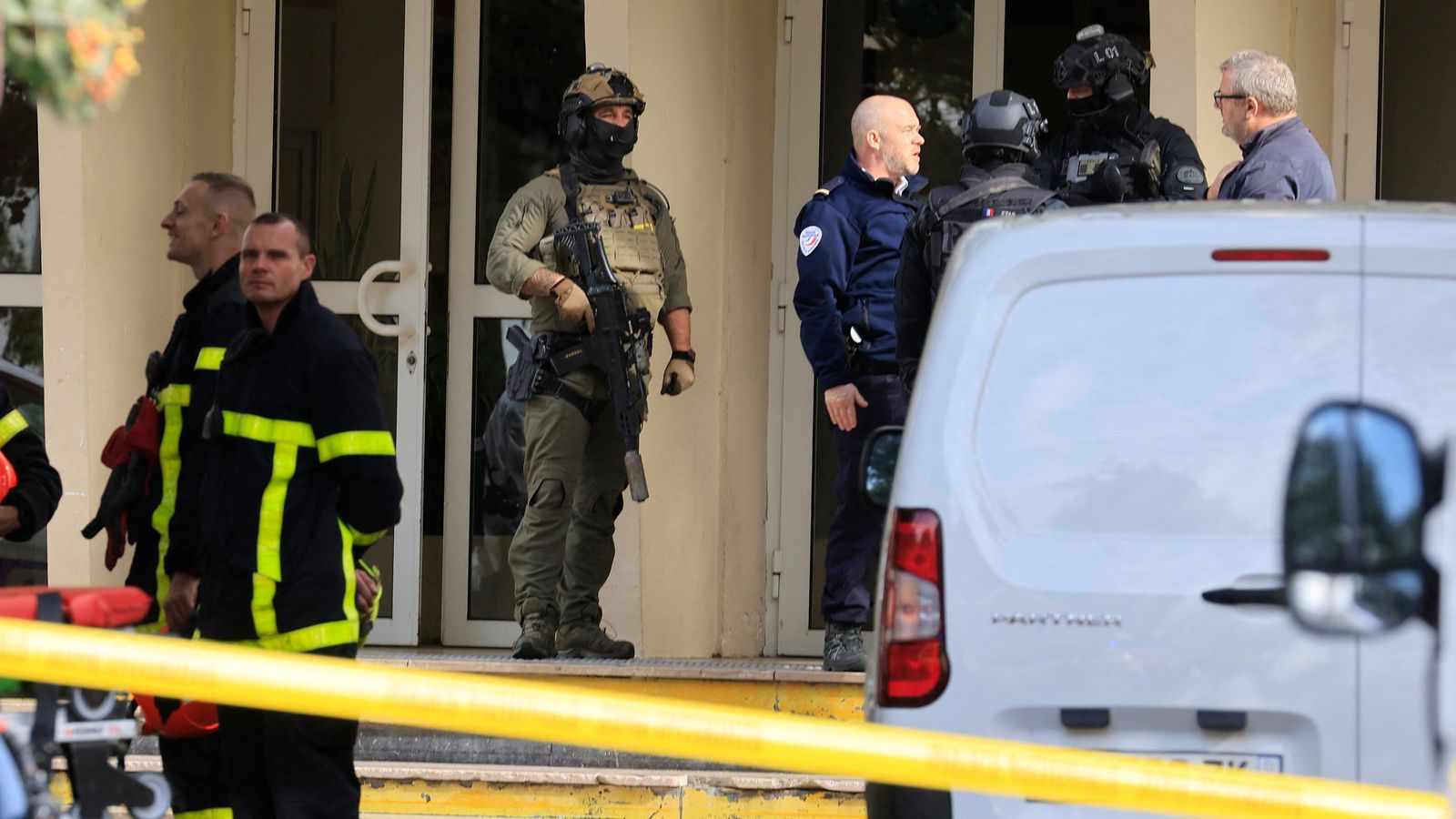
The air in Tehran today isn't just heavy with the usual smog. It's thick with a specific kind of grief-fueled rage. Earlier this morning, hundreds of students swarmed the United Nations Commission office, their voices echoing off the concrete as they demanded accountability for a tragedy that feels like a stain on the 21st century.
They're out there because of what happened at the Shajareh Tayyebeh girls' elementary school in Minab. On February 28, 2026, a missile tore through the roof of that school during mid-morning classes. We aren't talking about a "near miss" or "collateral damage" in a remote desert. This was a direct hit on a building filled with seven-to-twelve-year-old girls in pink and white uniforms.
The human cost of Operation Roaring Lion
Let's look at the numbers because they're staggering. The death toll from the Minab strike has been revised upward several times, now sitting between 175 and 180. Most of those were children. Imagine the scene: classes were changing periods. The hallways were likely full. Then, the roof collapsed.
Rescue teams spent days digging through the rubble, finding blood-stained backpacks and half-buried bodies. It's the single deadliest civilian incident in this war so far. While the U.S. and Israel have been tight-lipped about the specifics, independent investigations from outlets like the BBC and New York Times point toward a U.S. Tomahawk cruise missile.
The students in Tehran today weren't just chanting slogans. They were holding portraits of the victims and mock funeral shrouds. They're asking a question that the UN hasn't answered: how does a school with a years-long online presence and playground markings visible from space end up on a target list?
A failure of intelligence or a deliberate choice
The Pentagon claims they're "investigating," but that's a cold comfort to the families in Hormozgan province. Reuters found that the school was clearly marked on local business listings and satellite imagery dating back to 2018. It was separated from a nearby IRGC compound by a wall painted with bright murals.
Critics, including University of Tehran professors, are calling this a modern application of the "Dahiya doctrine"—the strategy of using disproportionate force against civilian infrastructure to pressure a regime. Whether it was a horrific vetting failure or a deliberate strike, the result is the same: a generation of Iranian youth now views the West through the lens of this wreckage.
This protest at the UN office is a direct response to what these students see as international hypocrisy. They see UNESCO calling it a "grave violation" while the bombs keep falling. They see the UN Security Council paralyzed.
The geopolitics of a classroom
While students mourn, the political leaders are playing a different game. President Trump has stated he isn't ready for a ceasefire because the "terms aren't good enough yet." He wants a total abandonment of certain Iranian capabilities before he stops the strikes.
Meanwhile, the Iranian Revolutionary Guard Corps (IRGC) is threatening to expand its targets to American bank branches in the Gulf. It's a spiral. The death of Supreme Leader Ali Khamenei on the war's first day and the rise of his son, Mojtaba, has only hardened the internal resolve.
The students today aren't just protesting a foreign military. They're protesting a global system that allows a girls' school to be "triple-tapped" by missiles while the world watches on a delay.
What happens next
Don't expect these protests to fizzle out. The images of Minab have become a rallying cry that transcends the typical political divides in Iran.
If you're following this, keep your eyes on the upcoming UN reports. Human Rights Watch is already pushing for this to be investigated as a war crime. The U.S. military investigation's findings—if they ever go public—will determine whether this was a technical glitch or a policy failure.
You should monitor the following:
- The UN Human Rights Council's next move: They're under immense pressure to move beyond "grave concern."
- Targeting vetting changes: Watch for any shifts in U.S. Centcom's rhetoric regarding "collateral damage" as global pressure mounts.
- Regional retaliation: The IRGC's threats against civilian-linked assets like banks or oil infrastructure in neighboring countries often follow these large-scale public outcries.
The students have made their point clear: a school is not a battlefield, and a child's desk is not a legitimate target.