When the ground stopped shaking in northern Venezuela after the catastrophic June 24, 2026 twin earthquakes, the silence didn't last long. Screams for help echoed through the dust-choked streets of La Guaira, the hard-hit port city just north of Caracas. What didn't follow was the immediate, thundering arrival of the country's massive military apparatus.
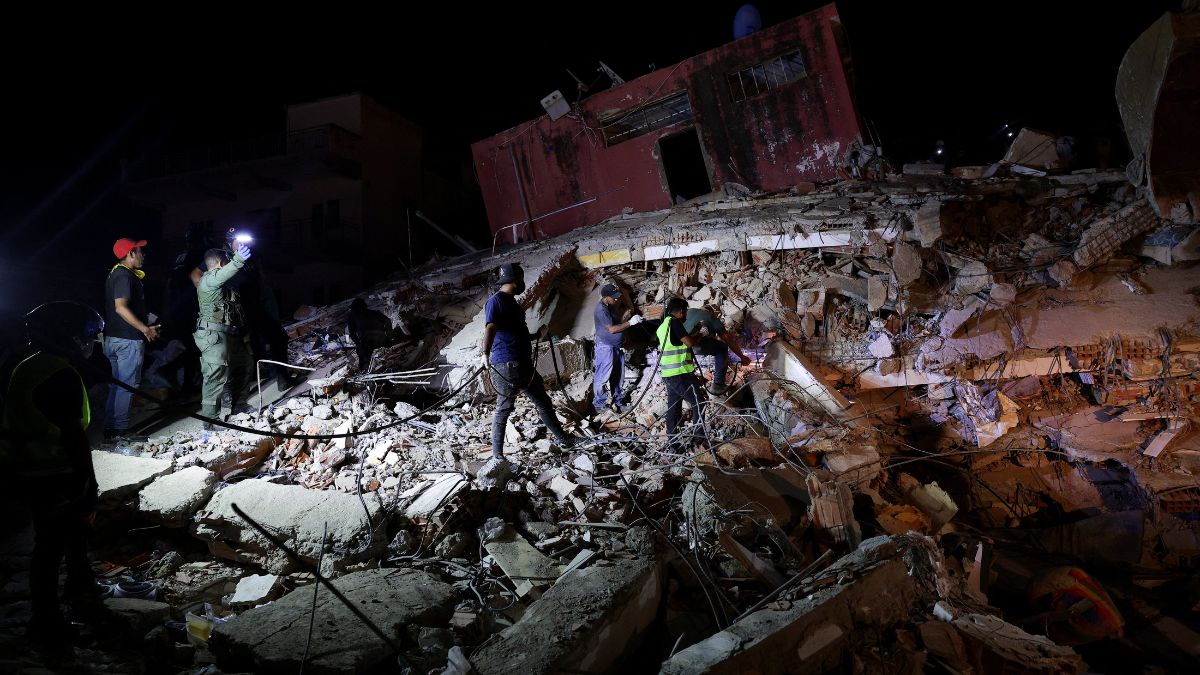
For the first critical 24 hours, as the death toll rapidly climbed toward 920 with over 3,300 injured, the uniform on the scene wasn't camouflage. It was civilian clothes stained with concrete dust. Neighbors, cousins, and total strangers dug through the pulverized remains of apartment complexes with bare hands, plastic buckets, and regular shovels. The total failure of immediate domestic military mobilization has left a bitter taste in the mouths of survivors, exposing deep cracks in how the nation's armed forces view their duty to the public.
The First Day Was Citizen Against Concrete
Seismologists call what happened a seismic doublet. Two massive tremors measuring 7.2 and 7.5 magnitude struck less than a minute apart. It was the most violent shaking northern Venezuela has seen in over 125 years. The shallow depth meant maximum destruction. Heavy urban structures pancaked instantly.
In the crucial hours after a building collapses, time dictates survival. If you aren't reached in the first day, your chances plummet. Yet, across the worst-hit zones in La Guaira and sections of the capital, the armed forces were glaringly absent from the actual piles of debris.
"They see the citizen as an internal enemy," noted one local opposition leader in a televised address. "Now that their help is required, something that is explicitly stipulated in the Constitution, they are incapable of doing it."
Instead of operating heavy machinery or forming human chains to move rocks, the few soldiers visible early on were relegated to managing traffic and patrolling streets. When local volunteers miraculously pulled survivors from the wreckage, there were no military ambulances waiting. People loaded the injured into the back of battered private cars and delivery trucks to rush them to hospitals that were already running out of basic medical supplies.
Missing Militias and the Shadow of the Past
The absence of a swift domestic rescue operation feels like a betrayal to many older residents. For decades, the political rhetoric in Venezuela centered on the absolute fusion of the military, the militia, and the populace. Under the old regime, any major crisis was met with immediate, visible deployment of the Bolivarian National Militia to distribute aid and manage emergencies.
This time, under Interim President Delcy Rodríguez, the official military deployment announcement didn't manifest on the ground until a whole day had passed. By the time domestic heavy equipment finally rolled into La Guaira, international rescue assets were already arriving.
Costa Rica's Red Cross sent roughly 800 rescue specialists. Teams from Chile, the UK, Spain, and El Salvador hit the ground running with search dogs and acoustic listening devices. Even the United States, despite incredibly tense diplomatic relations following the high-profile removal of Nicolás Maduro earlier this year, mobilized 150 million dollars in emergency aid and dispatched specialized teams from Virginia and California.
The fact that foreign personnel arrived almost parallel to Venezuela's own national guard highlights a profound logistical paralyzation within the state.
A Broken Infrastructure Can't Hide
The agonizingly slow response isn't just about political willingness; it's the direct result of a system already hollowed out by years of economic decay. You can't deploy a modern rescue force when your basic infrastructure is fundamentally broken.
- Communication Blackout: The quakes snapped fiber cables and knocked out cell towers across northern states. The government immediately choked social media access, making it impossible for local civil protection units to map out where people were trapped. The UN human rights mission had to publicly beg the state to lift restrictions so families could share missing-person notices.
- Logistical Gridlock: Main roads split wide open. Landslides blocked the highway connecting Caracas to the coast. Compounding the nightmare, a runway cracked at Simón Bolívar International Airport, stalling early relief flights until emergency repairs could be made.
- The Resource Vacuum: Decades of underinvestment meant local fire departments and civil defense units simply lacked the specialized thermal imaging cameras, hydraulic jacks, and concrete saws needed for a disaster of this scale.
When the state's institutions are this fragile, the military tends to prioritize regime security and asset protection over public rescue. They focused on securing the perimeter rather than digging into the dust.
Moving Forward From the Rubble
With more than 50,000 people still unaccounted for according to United Nations estimates, the window for finding survivors is rapidly closing. The focus is shifting from desperate rescue to grim recovery and long-term survival for the living.
If you want to support the immediate relief efforts effectively, don't try to send physical goods independently, as local ports and damaged airports are heavily restricted. Direct your support to organizations with established, operational footprints on the ground that bypass state bottlenecks. Groups like the International Federation of Red Cross and Red Cross Societies (IFRC), Samaritan's Purse—which is currently airlifting a fully functional Emergency Field Hospital to the region—and World Vision are actively delivering medical supplies, water purification kits, and temporary shelter materials directly to the families sleeping on the streets.