The Weight of the First Cold Morning
The air changed somewhere around four in the morning.
You step outside, barefoot on the kitchen tile, and the silence of the house feels heavier. When you push the front door open, your breath ghosts against the porch light. Summer is gone. Not slowly, not with a polite wave, but with the sudden, crisp snap of an October wind coming down off the ridges.
For the runner, this moment is a quiet confrontation.
Months ago, the season belonged to the blazing sun and shirts soaked through before the first mile marker. You ran light because you had to. Every ounce mattered when the asphalt shimmered with heat. But today demands a different armor. Today, the thermometer reads thirty-eight degrees, the training block for the autumn marathon sits at its absolute peak, and your old gear feels like wet tissue paper against the frost.
We forget how deeply our clothes affect our stride.
A stiff seam on a twenty-miler is not a minor annoyance; by mile eighteen, it is a razor blade. A jacket that traps sweat rather than venting it turns your own body heat into an icy prison once you stop moving. Equipment matters. Not because of branding or social feeds, but because of physics, skin, and survival.
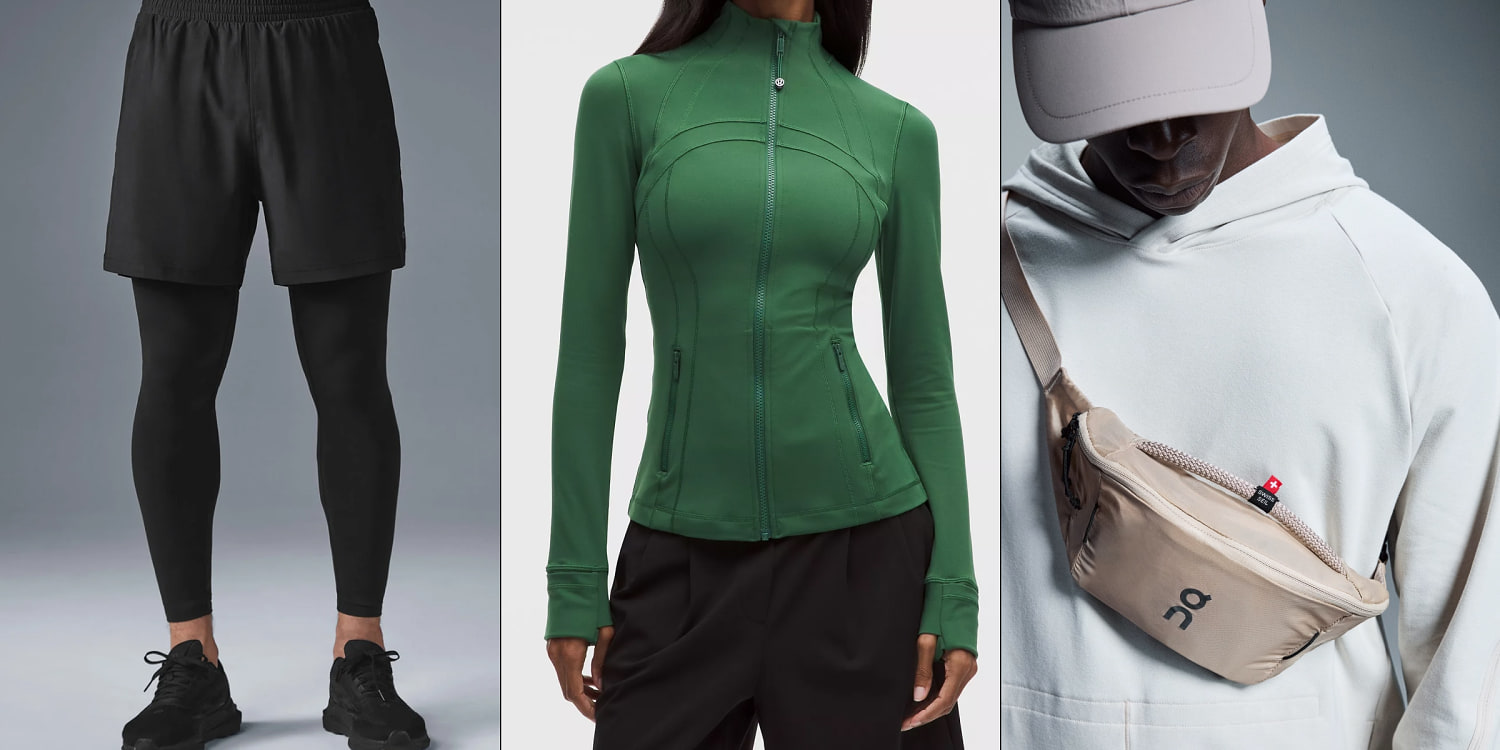
Right now, as thousands of runners brace for the final push toward late-season finish lines, the market has quietly dropped its guard. Premium performance apparel from brands like Vuori and Alo—normally guarded by price tags that make runners wince—is currently marked down by up to fifty-three percent.
Consider what happens next: a shift in the weather collides with the exact moment gear becomes accessible, creating a brief window where comfort stops being a luxury and starts being an operational advantage.
The Anatomy of the Long Haul
Meet Sarah. She is thirty-four, works fifty hours a week in healthcare, and has an alarm set for 4:45 AM.
When you see Sarah on her Sunday long run, she looks effortless. Her stride is rhythmic, her shoulders are relaxed, her cadence steady. But behind that outward calm lies an engineering puzzle she solves every single week. She is managing chafing, moisture management, thermal regulation, and structural support while fighting the mental fatigue of running thirty miles a week on top of her career.
"People think running is just putting one foot in front of the other," Sarah says, adjusting the cuff of her moisture-wicking hoodie against the morning chill. "They think it’s pure willpower. But willpower runs out around mile fourteen. If my clothes are chafing, or if I’m shivering because my jacket doesn’t breathe, my brain stops thinking about pacing. It starts screaming about discomfort. Comfort isn’t pampering. It’s fuel."
This is the hidden truth of athletic gear. Every stitch, every drop of recycled polyester, every strategic mesh panel is designed to keep the human mind from abandoning the physical body.
When Vuori engineered its performance joggers and technical hoodies, and when Alo brought its studio-to-street aesthetic into the high-output running world, they weren't just chasing trends. They were solving the friction points of human movement.
For years, running gear fell into two ugly categories: neon nylon sacks that looked like they belonged in a 1990s track meet, or heavy cotton that turned into a lead weight the moment you sweat. Neither worked for the modern runner who transitions straight from a gritty dawn run into a grocery store, a coffee shop, or a corporate desk.
The convergence of athleisure and high-performance engineering changed the math. Now, buttery-soft fabrics possess moisture-wicking properties that rival elite racing kits. Four-way stretch allows hips and hamstrings to open fully without restriction.
And right now, that shift is colliding with a massive retail markdown.
The Economics of Endurance
Training for a marathon is expensive. There are entry fees, shoes that must be replaced every four hundred miles, gels, electrolytes, sports massage, and early-morning parking garages near starting lines.
Gear is usually where runners cut corners. They wear the stretched-out shorts from three seasons ago. They endure the jacket with the broken zipper. They suffer through the blisters because spending money on a high-end technical layer feels indulgent when the rent is due.
That hesitation makes the current discount cycle significant.
When premium performance pieces from top-tier labels see price drops touching fifty-three percent, the financial barrier protecting quality dissolves. We are looking at a rare moment where luxury-grade athletic apparel meets utilitarian necessity.
Think about the math of a runner's wardrobe. A poorly made pair of running shorts costs thirty dollars and lasts three months before the inner liner disintegrates, resulting in friction burns and frustration. A precision-engineered pair, crafted with anti-chafing tech and buttery fabrics, might normally cost ninety dollars—but when marked down to forty, it outperforms the cheaper alternative for years.
Value in running isn't about paying the lowest price. It is about durability per mile.
The Road Ahead
The sun is finally breaking over the tree line, casting long, sharp shadows across the pavement. Sarah checks her watch, takes a deep breath of the cold air, and picks up the pace.
Her jacket moves with her, silent and weightless, trapping just enough warmth to keep her muscles pliable while venting the heat of her engine. She doesn't think about her clothes anymore. She doesn't think about the cost, or the weather, or the miles remaining.
The gear has vanished into the background, doing its quiet, invisible work.
Autumn marathons are coming. The starting gun is closer than it looks. The training is done in the dark, in the cold, and in the quiet hours when the rest of the world is still asleep.
And sometimes, the only thing standing between a runner and the finish line is the simple decision to refuse unnecessary suffering.
The frost on the grass is melting. The miles are waiting.
Move.