The Quiet Sound of a Key Turning Off
Rain on Nathan Road has a particular texture. It turns red neon into smeared watercolor and makes wet asphalt hum under rubber tires like a low bass note you feel in your shins before you hear it in your ears.
Inside a cab on a night like that, time is measured in flickers. The amber glow of the meter. The rhythmic swipe of wiper blades clearing a wall of mist. The small, sharp click of a turn signal—or the deliberate silence of a driver who decides a signal is optional when the lane is open and the shift is running late.
For most of us, a taxi ride is a transaction lasting twelve or twenty minutes. We get in wet, we get out drier, we tap a card or hand over folded banknotes, and we forget the person behind the wheel before we reach the building lobby.
Now picture a different moment. Not a crash. Not sirens. Just a letter or a notice in a system, followed by a quiet, heavy realization: for ninety days, the steering wheel is off-limits.
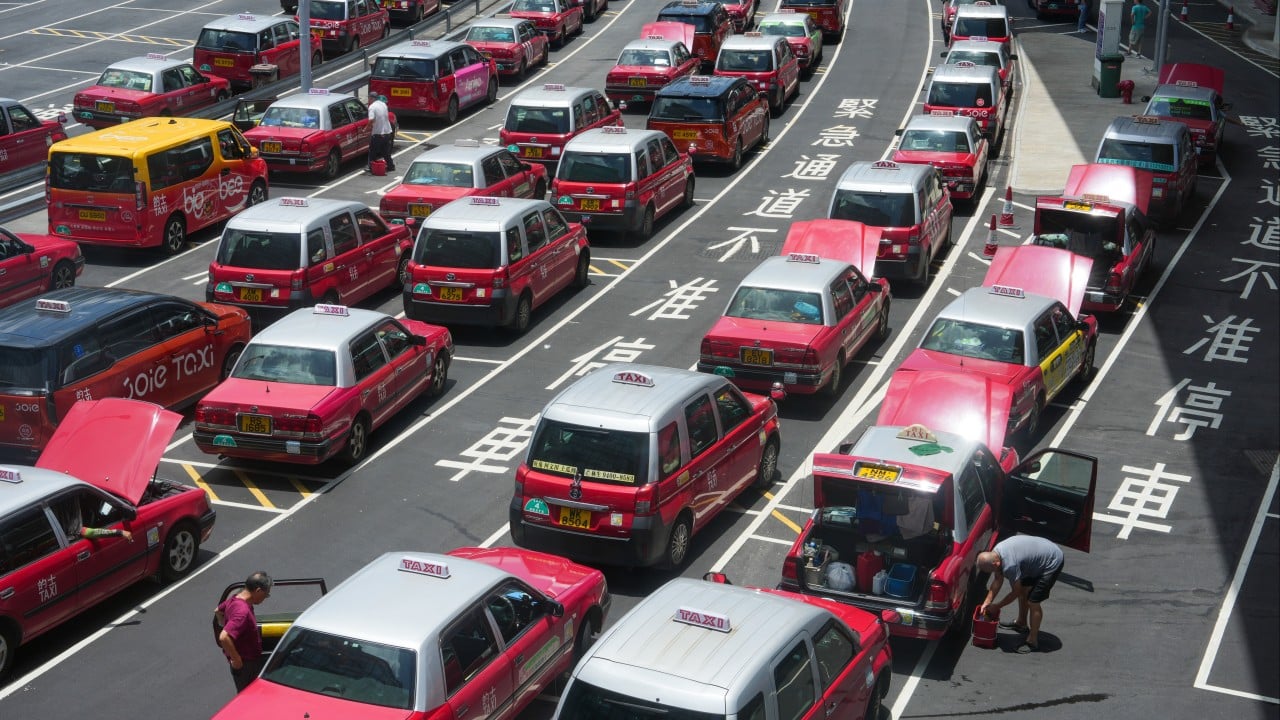
Three Hong Kong taxi drivers banned for three months under the demerit points system.
On paper, that sentence reads like a dry bulletin from a transport log. Three drivers. Three months. Demerit points. Easy to skim past while sipping morning coffee. Easy to file under routine regulation.
Yet behind every administrative number sits a human ledger that traffic sheets never print. A shift schedule. A household budget. A habit formed over years of navigating dense streets where a few seconds saved at a junction can feel like the difference between making quota and falling behind.
I have spent enough hours in back seats across crowded cities—and watched enough people lose access to the tools of their livelihood—to know that a suspension rarely lands like a bolt from the blue. Usually, it arrives like slow water seeping through floorboards. First a damp spot. Then a soft rot. Then, suddenly, the floor gives way.
Let us be clear about what is real here and where imagination steps in. The core event—three Hong Kong taxi drivers receiving three-month driving suspensions under the demerit points mechanism—is the anchor of this story. To feel what that penalty actually means in flesh and blood, I am going to introduce a hypothetical character, Uncle Wing, modeled on the lived realities of veteran cabbies in dense urban transit systems. When I use a metaphor or build a composite scene, I will say so openly. Truth matters more than drama, and honesty builds trust faster than polish.
How Small Habits Accumulate Into a Cliff
Traffic rules often sound abstract until you translate them into daily friction.
Most drivers do not wake up intending to become a menace on the road. People rarely set out with villainy in their hearts. More often, shortcuts start small. A rolling stop when no pedestrian is visible. A quick lane change without a shoulder check because a fare is waving from the curb. A meter dispute or a refusal or a moment of impatience after ten hours in gridlock.
Think of a demerit points system like a punch card with a hidden trapdoor. Each infraction punches a hole. One hole changes nothing. Two holes barely register. You can still drive, still earn, still tell yourself you know the streets better than any bureaucrat sitting behind a desk.
Then comes the punch that pushes the tally past the threshold.
Suddenly, the math flips. What felt like minor infractions—a series of separate bad habits collected over time—fuse into a single consequence: ninety days without driving.
Here is a metaphor to make that shift concrete: imagine a leaky roof over a wooden table. A single drop does not ruin the oak. Even a hundred drops over a month leave only faint rings. A homeowner might shrug and put a mug underneath. The damage only looks sudden when the wood warps or a leg buckles. Accumulation is quiet right up until the moment it stops being quiet.
In a city as tightly packed as Hong Kong, every meter of road carries pressure. Delivery vans double-parked in narrow lanes. Buses gliding inches from curbs. Rain slicking downhills. Passengers checking their watches. A taxi driver sits right at the intersection of public expectation and commercial grind.
When someone tells a cabbie, "Hurry, I'm going to miss my ferry," or "Take this shortcut, the tunnel is jammed," the driver absorbs that urgency. Over years, urgency can harden into recklessness. You start treating rules as suggestions rather than guardrails.
Until the guardrail is the wall that stops your car.
A Hypothetical Shift With Uncle Wing
Let us step into a hypothetical scenario to see how a three-month ban feels from the driver's seat. Remember: Uncle Wing is a composite character created to illustrate the human stakes behind the numbers, not a real individual named in a transport file.
Wing is fifty-eight, with knuckles thickened from decades of gripping leather-wrapped steering wheels and a lower back that aches whenever humidity settles over Kowloon. He does not own his cab outright; many drivers rent shifts or lease vehicles, paying daily or periodic costs whether the streets are buzzing with tourists or dead quiet at three in the morning.
In our hypothetical story, Wing has accumulated enough demerit points over time to trigger a three-month suspension.
The suspension does not just take away a car. It takes away rhythm.
A taxi driver's body runs on an internal clock that has nothing to do with nine-to-five office hours. You learn which corners catch a breeze at midnight. You know which hotel entrances tip reliably and which estates leave you circling empty blocks at dawn. You carry the city's topography in your wrists and eyes.
Strip that away for three months, and the silence in the apartment feels strange. Morning tea tastes different when you do not have to rush out before traffic thickens.
Wing sits at his kitchen table with a stack of bills—utilities, groceries, perhaps family support—and does the arithmetic that every suspended worker has to face. Three months is roughly a quarter of a year. Ninety days of lost driving income cannot simply be wished away by working double shifts next month, because next month is still ninety days away.
Could he take temporary odd jobs? Maybe. Warehousing, deliveries, part-time help. Yet switching work at nearly sixty, when your body is tuned to sitting and steering rather than lifting crates all day, carries its own exhaustion.
And there is pride, too. Nobody likes being told they are no longer trusted behind the wheel. Even if you know—deep down, past the defensiveness—that you pushed your luck too many times, hearing the official verdict stings.
Why Passengers Feel the Ripple Too
It is tempting to view a driving ban strictly through one of two lenses: either cheering that rule-breakers are off the road, or feeling sorry for the driver losing income.
Both reactions are real. Neither tells the whole story alone.
Consider what happens next when a driver is sidelined for three months.
For everyday commuters, taxis are often the safety net of urban mobility. When trains crowd up, when it pours sideways, when you are carrying heavy luggage or traveling with an elderly relative or heading to an early flight, a cab bridges the gap between point A and point B.
If fewer drivers are on the road—or if drivers who remain feel squeezed by tight schedules and high operating costs—passengers feel the strain. Waiting longer at stands. Watching cabs pass by with lights off or destinations that do not match yours. Feeling frustrated when a trip costs more or takes longer than expected.
At the same time, passengers want safety. Nobody wants to white-knuckle their way down a wet avenue beside a driver treating red lights or traffic rules like optional decorations. A demerit system exists to draw a line: cross it enough times, and the privilege of driving commercial vehicles pauses.
That tension—between wanting dependable, affordable rides and demanding strict road discipline—is one of the hardest puzzles in urban transport. There is no neat magic wand that makes every ride instant, cheap, and spotless all at once. Anyone who claims the trade-offs are simple is either selling something or hasn't stood in the rain watching three empty cabs roll past.
The Psychology of "Just This Once"
Why do experienced drivers rack up demerit points in the first place?
If you ask people who drive for a living, you rarely hear them say, "I love breaking traffic laws." Instead, you hear stories about pressure.
Pressure to hit a daily target before handing the keys to the next driver. Pressure from impatient passengers tapping on glass or sighing in the back seat. Pressure from fatigue when a shift drags past the point where sharp reflexes come easy.
Human beings are terrible at pricing small probabilities of punishment against immediate rewards.
Saving forty seconds by squeezing through a tight gap feels real right now. Getting caught—or crossing a demerit threshold that triggers a three-month ban—feels distant, statistical, like something that happens to someone else.
Behavioral researchers call this bias present focus or discounting the future, though you do not need academic jargon to recognize it. Every time we hit snooze instead of waking up early, or skip stretching because we are in a hurry, we are borrowing from tomorrow to pay for today.
Eventually, tomorrow comes to collect.
When three Hong Kong taxi drivers are handed three-month bans under the demerit points system, those three months are tomorrow arriving on schedule. Each ban is a stop sign written in administrative ink.
What a Three-Month Pause Actually Tests
Three months is a curious stretch of time.
It is too long to ignore. You cannot treat ninety days like a weekend flu. Seasons shift in three months. Rent cycles turn three times. Savings dwindle noticeably.
Yet three months is also short enough to be a turning point rather than a permanent dead end.
For a driver sidelined by demerit points, those ninety days force a reckoning. You have time—unwanted time, uncomfortable time—to ask hard questions. Why did I collect those points? Was it bad luck, or was I driving angry, rushed, or careless? What needs to change before I sit in a driver's seat again?
For regulators and fleet operators, three months is a test of fairness and follow-through. Rules only shape behavior when people believe they are consistent, transparent, and tied to genuine safety rather than arbitrary theater. If drivers view penalties as random lightning strikes, resentment grows. If they see a clear cause-and-effect link between repeated violations and losing the wheel, the message hits home.
And for the rest of us riding in the back?
It is a reminder that the person holding the steering wheel is human. Not a machine. Not an NPC in a city simulator. Someone with a spine, a bank account, a family, and a set of habits that either protect everyone in the cabin or put everyone at risk.
Answering the Questions Behind the Headline
When a headline like 3 Hong Kong taxi drivers banned for 3 months under demerit points system pops up, people usually wonder about a few practical things right away. Let us trace them through the real stakes of the road rather than treating them like trivia.
First, people ask whether a three-month ban is harsh or fair. The honest answer depends on what got the driver there. One slip on a confusing street? Harsh. A pattern of repeated demerit-earning behavior that shows the driver kept pushing past warnings? That looks less like bad luck and more like a system finally enforcing its own boundary. Roads are shared spaces; one person's shortcut can become another person's hospital visit.
Second, people wonder how a driver survives three months without driving. In reality, it hurts. Whether a driver leases a cab, works shifts, or relies on daily fares, losing legal driving privileges for ninety days cuts directly into cash flow. Some lean on savings or family; some take temporary non-driving work; some feel the squeeze acutely. Pretending a three-month suspension is painless ignores the economic reality of gig and shift work.
Third, commuters wonder whether enforcement like this actually makes streets safer. Bans alone do not magically fix every bad habit across an entire fleet, nor do they erase traffic congestion overnight. Still, visible, consistent consequences change calculations. When drivers know crossing demerit limits brings a real, multi-month halt—not a slap on the wrist—hesitation creeps back in before a risky move. And hesitation, on a slick street at dusk, can save skin.
Rain on Glass, Stillness in the Seat
Think back to that wet night on Nathan Road.
The streetlights still bleed amber and crimson across dark pavement. The buses still hiss at stops. Footsteps still hurry under umbrellas toward subway stairs and glowing doorways.
Somewhere, three cabs are not being driven by the people who used to steer them through those exact puddles.
No.
Not today.
Ninety days is a long time to watch traffic pass from a window instead of commanding it from behind the glass, listening to the city hum while your own hands rest empty on the table—waiting for the clock to run out, and wondering what kind of driver you will be when the key turns again.