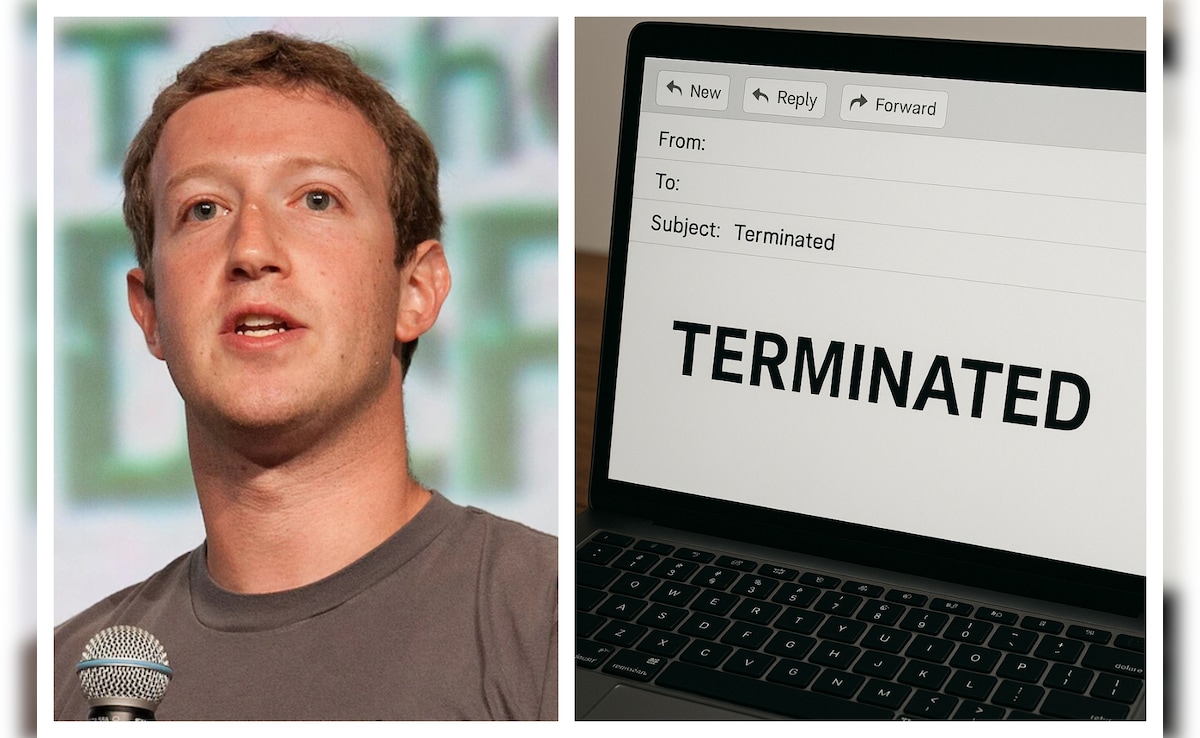
Waking up to a career-ending email at four in the morning is a brutal reality of modern corporate life. When Meta executed its massive rounds of layoffs, thousands of tech workers opened their phones before dawn to find a cold, standardized message waiting for them. The subject line didn't mince words. Your role has been eliminated.
This wasn't just a bad dream for tech workers. It was a calculated, highly coordinated corporate maneuver. Meta chose that specific pre-dawn window to restrict internal system access before employees could even react, download files, or say goodbye to colleagues on Slack.
The strategy protected company data, but it shattered the illusion of corporate culture.
Big tech companies spent a decade branding themselves as families. They offered free food, laundry services, and micro-kitchens to keep you at your desk. Then, with a single automated script sent while you slept, that family dynamic evaporated.
Understanding how and why this happened matters because Meta laid down a blueprint. Other companies are actively copying it.
The Logistics of a Pre Dawn Digital Eviction
Corporate offboarding used to mean a quiet chat with a manager and an HR representative in a conference room. You handed over your badge, packed a cardboard box, and walked out.
Meta replaced that human interaction with an automated script.
The 4 AM timing was deliberate. Security teams needed a window where the vast majority of employees were offline. By pushing the button in the middle of the night, Meta managed to revoke access to internal emails, laptops, Workplace, and chat channels simultaneously across entire departments.
[System Access Revoked] -> [Automated Email Sent] -> [Employee Wakes Up]
When workers woke up and noticed their phone screens lacked the usual notifications, the panic set in. Trying to log into a laptop resulted in a blank screen or an error message. Only then did people check their personal email accounts to find the official notification.
This approach prevents intellectual property theft. It stops angry workers from deleting code repositories or downloading proprietary algorithms. It also stops mass organizing inside corporate communication tools.
But the human cost is massive. Workers who poured years into projects were cut off instantly. They couldn't message their teams. They couldn't grab their personal contact lists. They were ghosted by their own employer.
What Meta Got Wrong About Employee Trust
Executives often talk about psychological safety. They claim they want workers to take risks and innovate. However, firing people through automated midnight emails destroys that safety completely.
When Mark Zuckerberg announced the "Year of Efficiency," it signaled a massive shift in how tech giants view human capital. Employees realized they weren't assets. They were numbers on a balance sheet that could be optimized out of existence by an algorithm.
The immediate fallout was a total collapse of trust among the survivors.
If your desk neighbor disappears overnight without a word, you start wondering when your turn is coming. Productivity drops. People stop focusing on long-term projects and start polishing their resumes. They look for the exits because the corporate contract is broken.
Managing risk this way creates a different kind of danger. It damages your employer brand for years. Top-tier software engineers have long memories. When the market turns and tech firms need to hire aggressively again, the best talent will remember who sent the 4 AM emails.
The Real Security Risk Isn't What Executives Think
Tech companies worry about data exfiltration. They picture a disgruntled worker downloading the secret sauce on a thumb drive. That's why they cut access so fast.
Yet, the biggest threat to a company during layoffs is actually the loss of institutional knowledge.
When you eliminate roles en masse via automated scripts, you accidentally fire the only people who know how specific legacy systems work. Meta and other tech firms found this out the hard way. Certain teams were cut so deeply that remaining engineers couldn't maintain the existing infrastructure.
- System dependency: Automated tools don't know who holds the unwritten tribal knowledge of a complex codebase.
- Morale destruction: The workers left behind spend hours trying to figure out who is gone instead of doing their actual jobs.
- Operational drag: Replacing an experienced engineer takes months, costing more in the long run than the short-term savings of a sudden layoff.
Speed destroys accuracy. Treating employees like malicious insiders from the second a decision is made ensures they will never speak highly of the company again.
Building a Better Offboarding Strategy
Companies don't have to behave this way. Layoffs are sometimes necessary due to market shifts or economic downturns, but the execution can retain human dignity.
First, communicate during business hours. Give people the chance to talk to a human being. A manager should always be involved in the conversation, even if the decision came from executive leadership.
Second, allow a grace period for farewells. Unless an employee has a documented history of security violations, give them a few hours to write a goodbye post, share their LinkedIn profiles, and close out their professional relationships cleanly. It offers closure for both the departing worker and the remaining team.
Finally, provide clear, immediate details about severance and health insurance right inside the initial notification. Don't make people wait days for a separate document while they are in a state of shock.
How to Protect Your Career from the Automated Ax
You can't control executive decisions, but you can control your readiness. Relying on a corporate employer to look out for your well-being is a mistake.
Start treating your employment as a business transaction.
Keep your portfolio updated outside of company servers. Document your wins, your metrics, and your major projects weekly. Do not store personal files, photos, or contact lists on your work laptop or corporate cloud accounts. Assume you could lose access to those devices at any second.
Network constantly. Build relationships with peers at other companies, participate in industry groups, and keep your LinkedIn profile active. Your network is your real safety net.
When you see signs of corporate restructuring, don't wait for the 4 AM email to land. Take control of your career path immediately by exploring your options, upskilling, and mentally detaching your identity from your job title. You are more than a line item on a spreadsheet.