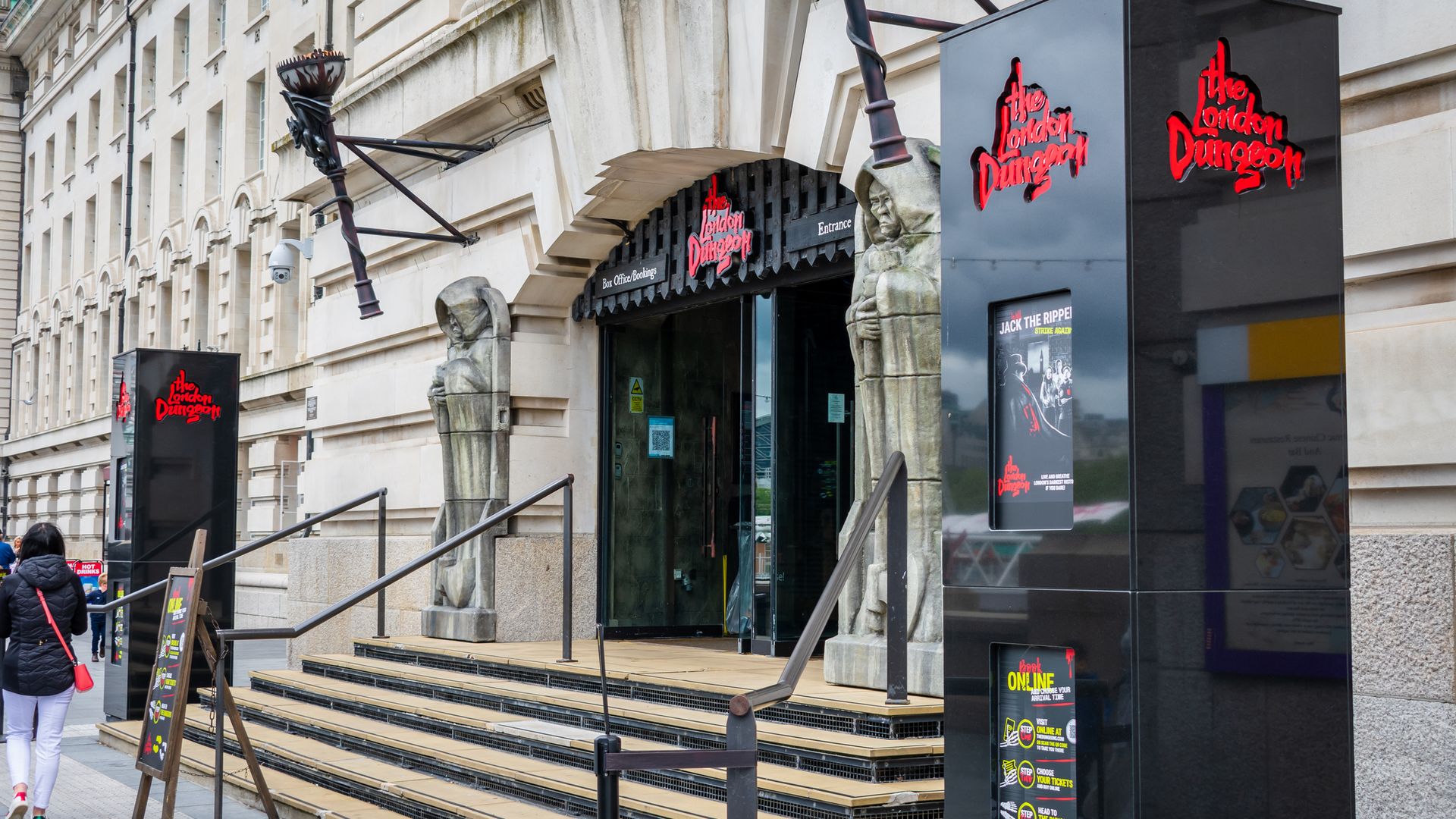
Theme parks and tourist hotspots cost an astronomical amount of money to run. When you own heavy hitters like the London Dungeon, Alton Towers, and the iconic London Eye, managing your debt portfolio is just as important as keeping the rollercoasters safe and thrilling.
Merlin Entertainments, the giant behind these global attractions, is currently closing in on a massive £650 million refinancing deal. If you think corporate finance is boring, look closer. This move touches some of the most recognizable British entertainment brands on the market and signals how major leisure operators are locking down their balance sheets.
What is Actually Happening With the Refinancing
The global leisure sector took a brutal beating over recent years, and heavy capital structures require constant tuning. Merlin isn't doing this out of pure panic; it's a calculated maneuver to optimize existing financial obligations.
By lining up a £650 million restructuring package, the company is securing long-term stability. Managing capital intensive theme parks means dealing with cyclical tourism patterns, shifting consumer discretionary spending, and soaring operational costs. Refinancing large chunks of debt lets management breathe easier, ensuring that cash flow can go toward new rides and park upgrades instead of immediate liability pressures.
Why British Icons Are Tied to Corporate Balance Sheets
Most visitors queuing up for the London Dungeon or hopping onto the London Eye don't think about debt maturities or senior secured notes. They want a good scare or a great view.
However, the operational health of these locations depends entirely on parent-company financing. Merlin operates on a sprawling international scale, yet its British footprint remains a massive anchor for revenue. When corporate headquarters reorganizes its finances, it impacts everything from capital expenditure allocations to local staffing and marketing budgets.
The strategy comes on the heels of a transitional period where the company pushed hard to streamline operations, cut internal costs, and drive higher commercial revenue per visitor. Streamlining the operating model helps, but cleaning up the debt stack is the heavy lifting that actually keeps the gates open and profitable.
The Bigger Picture for Leisure Operators
Look across the entertainment landscape right now and you will spot a trend. Massive leisure operators are actively restructuring to handle higher interest rates and a picky consumer base. People are still spending money on experiences over physical goods, but inflation has driven up the cost of running massive brick-and-mortar entertainment destinations.
Merlin's moves show that private equity-backed or heavily capitalized tourism giants cannot afford to sit still. You have to modernize properties, introduce fresh intellectual property partnerships—like upcoming Minecraft and Jumanji attractions—and keep debt servicing costs manageable all at once.
Structuring a £650 million deal gives the business the runway it needs to execute those multi-year expansion plans without choking on short-term repayments. Watch how other entertainment conglomerates follow suit as they race to lock in stable capital before the economic climate shifts again.
Keep an eye on how these financial adjustments translate to ticket prices and park investments over the next fiscal cycle. The real test of any corporate refinancing isn't the spreadsheet engineering, but whether visitors notice a better experience when they finally walk through the turnstiles.