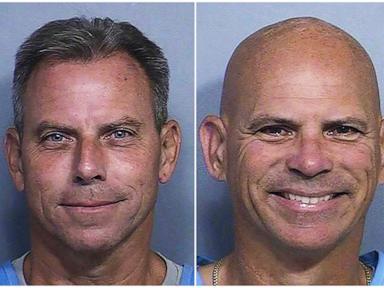
Every digital tabloid and true-crime podcast is hyperventilating over the news that Erik and Lyle Menendez have had their next parole suitability hearings accelerated to March 2027. The lazy consensus in the media is simple: public pressure, celebrity advocacy, and slick streaming documentaries are slowly wearing down the state of California, bringing two of America's most infamous killers within striking distance of freedom.
This narrative is comfortable, seductive, and fundamentally wrong.
Focusing on whether the calendar moves up to 2027 or stays locked at 2028 misses the structural reality of how penal reform actually operates. The public thinks a calendar shift equals a Get Out of Jail Free card engineered by social media influence. In truth, moving up an administrative review date is a routine bureaucratic function of the California Department of Corrections and Rehabilitation for inmates who maintain clean institutional records. It is not a moral referendum on the 1989 shotgun murders of José and Kitty Menendez, nor is it a sign that the justice system is suddenly bending to TikTok trends.
Let us look at the actual data. When the brothers faced the parole board in August 2025 following their resentencing to 50 years to life, commissioners did not just say no; they slammed the door shut for three years. The core legal test under California Penal Code section 3041 is whether an inmate currently poses an unreasonable risk of danger to society. Institutional programming, hospice work, and green space initiatives inside maximum-security walls are commendable, but they do not erase premeditation, execution-style reloading, and a subsequent months-long spending spree.
The media wants you to believe this case is a proxy war between cold-hearted prosecutors and enlightened modern empathy. It is not. It is a slow-motion collision between two distinct legal philosophies: retributive accountability and therapeutic jurisprudence.
The Trap of Celebrity Advocacy
When high-profile figures lobby for prisoner releases, they inadvertently trigger a counter-productive immune response within the judicial machinery. Every time a celebrity posts about the case or a dramatized series romanticizes the defense strategy, career prosecutors double down on procedural resistance.
District attorney offices do not evaluate guilt or rehabilitation based on Emmy nominations or viral hashtags. They look at the cold text of the law and the dangerous precedent of rewriting final judgments because public sentiment shifted thirty years after the fact. By framing the Menendez brothers as helpless victims of an archaic legal system, advocates obscure the actual mechanism required for freedom: genuine, unvarnished accountability.
Parole commissioners are professional cynics. They spend their careers evaluating individuals who have mastered the art of institutional compliance. When an inmate approaches the board, the commissioners are listening for one specific note: absolute ownership of the crime without caveats, rationalizations, or historical deflections.
What The Legal Analysts Get Wrong
Commentators love to argue that the cultural re-evaluation of abuse dictates a new legal outcome. This assumes that societal discomfort with past sentencing guidelines automatically invalidates a conviction. It does not. A conviction stands until a court vacates it or a governor grants clemency.
The defense teams have repeatedly failed to secure a new trial because the threshold for newly discovered evidence under habeas corpus rules is exceptionally high. Judges are bound by rules of evidence, not public sympathy. When the courts rejected the recent bids for a retrial, they were enforcing a boundary that prevents the legal system from dissolving into a perpetual motion machine of re-litigation whenever public opinion pivots.
If the brothers are ever released, it will not happen because the internet pressured the state into submission. It will happen because parole boards quietly decide that two aging men no longer represent a physical threat to their communities after nearly four decades behind bars.
Stop waiting for a Hollywood ending. The law does not care about your watchlist.


