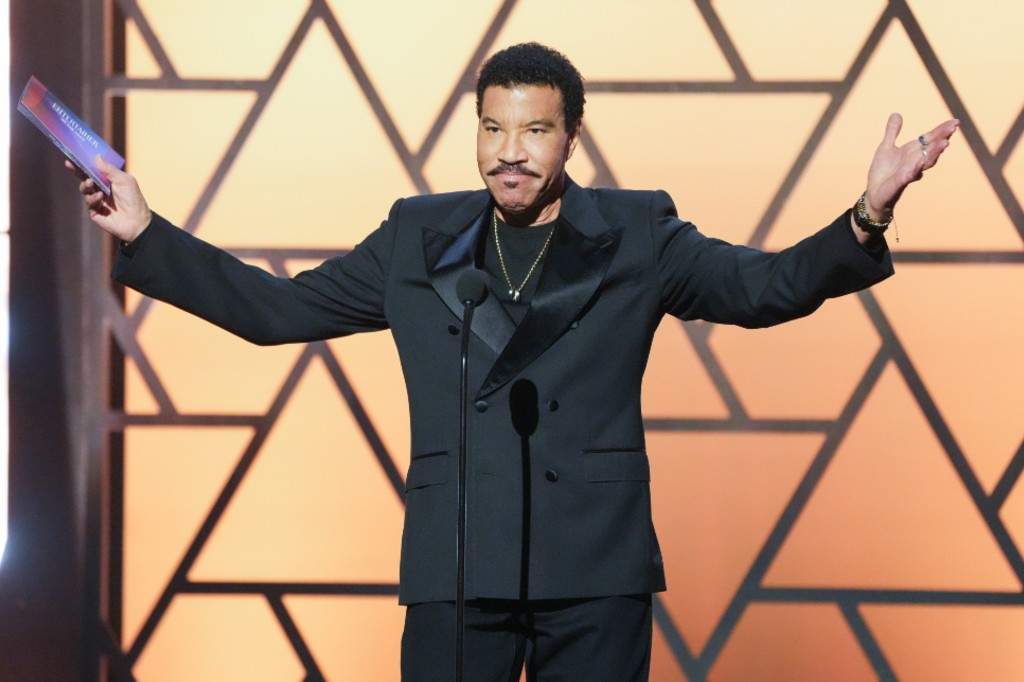
Mel Gibson walked onto the stage at the Toronto Fan Expo to the kind of thunderous applause that only enduring cinematic anti-heroes command, only to spend the next few minutes constructing another chapter in a decades-long manual on public self-destruction. A video soon surfaced showing the actor and director mocking a sign language interpreter assigned to his panel. The reaction was immediate, followed predictably by a swift, calculated apology designed to stop the bleeding before the internet could finish drafting its collective indictment. This cycle is familiar. We have watched public figures step on landmines of their own making, issue carefully scrubbed statements drafted by crisis management teams, and wait out the news cycle until the next distraction arrives.
Yet treating this incident as an isolated slip of the tongue misses the broader mechanics of how public figures interact with the machinery of accountability. The apology arrived via representatives, stripped of personal voice, hitting all the mandatory notes of regret and misunderstanding. It is a ritual as old as celebrity itself.
The Mechanics of Crisis Management
When a celebrity crosses a line in front of a live audience and a hundred smartphone cameras, the response follows a strict, algorithmic trajectory. Public relations firms do not invent new strategies for these moments; they pull from a well-worn playbook established long before social media compressed outrage cycles into minutes.
First comes the denial phase, which is increasingly short-lived given the ubiquity of video evidence. Once the footage circulates across platforms, the calculus shifts instantly from defense to damage control. Legal teams and publicity handlers review the footage, calculate the commercial exposure to upcoming projects, and draft a statement that maximizes contrition while minimizing legal liability.
- The Rapid Response Window: Statements must be issued within hours to prevent independent narratives from hardening.
- The Shift of Blame: Handlers often frame the behavior as a misunderstanding, a joke taken out of context, or a moment of exhaustion.
- The Strategic Silence: The celebrity vanishes from public view, allowing time for media exhaustion to set in.
Gibson’s situation carries baggage that makes standard crisis management less effective. When an individual has a long, documented history of explosive public outbursts, anti-Semitic remarks, and domestic disputes, every subsequent infraction ceases to be an isolated mistake. It becomes data points in a persistent pattern. The Toronto Fan Expo incident did not happen in a vacuum. It reactivated existing neural pathways in the public consciousness, reminding consumers of previous apologies that were followed by further transgressions.
The Cost of Performing Remorse
We live in an ecosystem that demands public penance while simultaneously doubting its sincerity. When a celebrity apologizes for mocking a disabled worker or an accessibility professional, the audience is forced to weigh the performance against the person's established character.
True accountability requires a structural shift in behavior, something that public relations campaigns cannot manufacture. A press release cannot undo the casual cruelty of mocking someone who is simply doing their job, translating a live event for the deaf and hard of hearing. That kind of public mockery reveals an underlying assumption of immunity, a belief that the audience is comprised entirely of co-conspirators who will laugh along simply because of star power.
Consequences for high-profile figures rarely match the severity of their actions. Box office receipts fluctuate, streaming deals face temporary pauses, and then the industry quietly resumes business as usual. The financial insulation enjoyed by major directors and actors creates a distortion field where real personal growth becomes optional. Why examine one's internal biases or temperaments when the ultimate penalty is a few weeks of unfavorable headlines followed by another multi-million-dollar project?
Accessibility as a Litmus Test
The specific nature of the Fan Expo incident highlights an often-overlooked dimension of celebrity culture: the total disdain for the infrastructure that supports public events. Interpreters, stage managers, audio engineers, and accessibility coordinators are the invisible scaffolding of modern entertainment. When a headliner targets an interpreter, they are attacking the very infrastructure of inclusion.
Accessibility is not a cosmetic feature added to a convention center; it is a legal and moral necessity designed to ensure public spaces function for everyone. Treating an interpreter as a prop or a punchline exposes a worldview that categorizes disabled individuals and their advocates as second-class participants in public life.
Gibson's career has survived controversies that would have permanently ended others, largely because a dedicated segment of the global audience separates the art from the artist with surgical precision. They argue that his directorial talent justifies his personal failings. But that argument wears thin when the failing involves direct, interpersonal cruelty toward a working professional on a public stage.
The apology offered in the wake of the Toronto event will fade into the background noise of modern media. Another controversy will emerge tomorrow, pushing this one down the timeline, burying it beneath layers of newer outrage. Yet the underlying dynamic remains untouched. Until the consequences for public misconduct scale with the repetition of the offense, apologies will remain what they have always been: a cost of doing business for those who refuse to change.