The internet loves a predictable tragedy narrative.
When a prominent digital creator suffers a severe injury, the media machine immediately boots up its standard operating procedure. It prints a flurry of articles packed with superficial sympathy, a timeline of the incident, and a microscopic breakdown of the medical procedures.
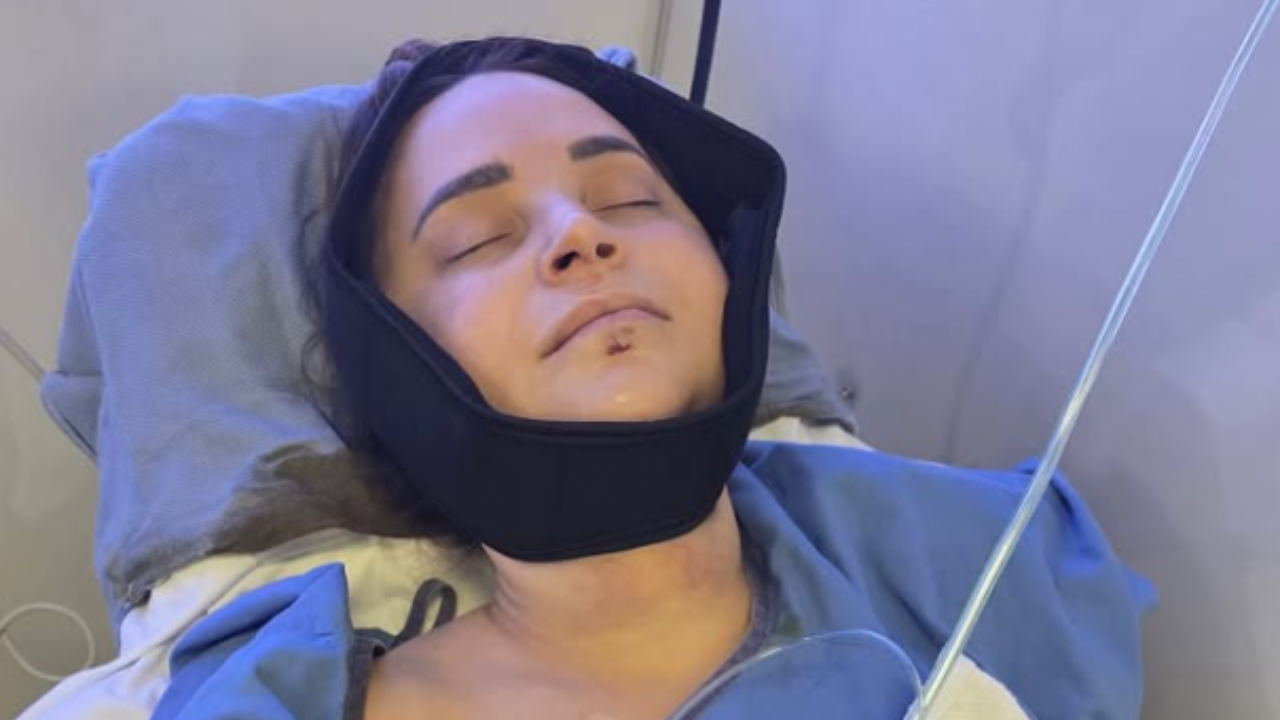
The recent coverage surrounding YouTube star Rosanna Pansino’s severe jaw fracture following a chaotic boat accident is the textbook definition of this lazy editorial blueprint.
Every major outlet rushed to cover the gory details of her broken jaw, the emergency surgery, and the harrowing recovery process. They painted a picture of a freak accident, focusing entirely on the physical trauma. They treated it like an isolated piece of celebrity misfortune.
They missed the entire point.
This is not just a story about a boat hitting a wave too hard or a creator undergoing a grueling medical procedure. This is a stark exposure of the terrifying, fragile underbelly of the modern creator economy. The media is hyper-focusing on the physical jaw bone while completely ignoring the structural fragility of the independent digital brand.
The Illusion of the Automated Media Empire
Mainstream entertainment reporting treats digital creators like traditional Hollywood stars. They assume that when a YouTuber hits millions of subscribers, they operate with the same structural insulation as a network television show or a studio-backed actor.
They don't.
When a traditional actor breaks a bone on set, the production halts. Insurance clears the payroll. A massive corporate apparatus absorbs the shock. Contracts dictate delay protocols. The machine keeps churning because the actor is merely a cog in a multi-billion-dollar wheel.
In the creator economy, the creator is the wheel.
Traditional Entertainment: Talent ──> Production Company ──> Network ──> Audience
Creator Economy:           Talent (Is the Production Company & Network) ──> Audience
When Rosanna Pansino suffers a fractured jaw, the entire corporate infrastructure of her brand experiences a sudden, violent cardiac arrest.
- The production pipeline stops instantly.
- Sponsorship deliverables vanish from the calendar.
- Algorithmic momentum plummets due to forced inactivity.
- Overhead costs for staff, studio space, and editors remain fixed while revenue freezes.
I have spent over a decade advising independent digital businesses and media brands. I have seen creators pulling in seven figures annually who are simultaneously only three missed uploads away from a total operational collapse. The industry treats these businesses like robust media empires, but they are often just highly lucrative houses of cards.
The media coverage surrounding this accident frames it as a personal health crisis. In reality, it is a business continuity crisis.
Dismantling the Myth of Algorithmic Benevolence
The public looks at a creator with over 14 million subscribers and assumes their platform is permanent. They believe that an established audience ensures a permanent safety net.
This assumption is dangerously wrong.
The algorithms governing platforms like YouTube do not possess empathy. They do not pause their metrics because a creator is in an operating room getting titanium plates screwed into their face. The algorithm rewards consistency, high velocity, and predictable viewer retention.
The Reality of Platform Dependency: When a creator goes dark unexpectedly, the platform’s recommendation engine rapidly reallocates that viewer traffic to active competitors. It is a brutal, automated Darwinism.
To understand the mechanics of this vulnerability, consider the basic lifecycle of a digital media company's revenue stream:
| Revenue Component | Vulnerability Level | Operational Dependency |
|---|---|---|
| AdSense / Programmatic | High | Dictated entirely by fresh views and uploads. Drops sharply during prolonged absences. |
| Brand Sponsorships | Critical | Bound by strict contractual timelines. Injury frequently triggers "Force Majeure" or cancellation clauses. |
| Direct Merchandise | Medium | Relies on active marketing campaigns and video call-outs to drive traffic. |
When an accident happens, a creator isn't just fighting physical pain. They are fighting a ticking clock against an algorithmic decay curve. The real tragedy isn't that Pansino had to go under the knife; it’s that the system she operates within forces creators to view life-threatening injuries through the lens of algorithmic panic.
The Flawed Premise of the Sympathetic Audience
Go to any comment section on the articles covering this accident. You will see thousands of fans leaving well-wishes, telling her to "take all the time she needs to heal."
This is a beautiful sentiment that is completely detached from economic reality.
Audiences are fickle. Their stated intentions rarely align with their actual consumption habits. While a fan might genuinely want a creator to take six months off to recover from a shattered jaw, that same fan will still open their phone tomorrow looking for entertainment. If their favorite creator isn't there, they will click on someone else.
By the time the injured creator returns, the audience's digital routines have already rewritten themselves. The viewer has formed new habits, subscribed to new channels, and integrated different creators into their daily life.
The advice to "just rest and heal" is easy to give when it isn't your payroll on the line. For an independent media operator, prolonged absence is an existential threat. The pressure to return prematurely is immense, not out of vanity, but out of sheer economic survival.
Redefining Business Continuity for Solo Operators
The broader lesson here extends far beyond the realm of internet celebrities and baking channels. It applies to every modern professional who has bought into the dream of building a personal brand without constructing a real business infrastructure.
If your income is entirely dependent on your physical presence, your face, or your voice, you do not own a business. You own a high-paying job where you are the most demanding boss you will ever have.
True business sustainability requires separating the individual from the enterprise.
1. Build an Editorial Buffer
Most creators live hand-to-mouth with their content. They edit a video on Tuesday and upload it on Thursday. This is operational suicide. A resilient media company maintains a minimum of six to eight weeks of evergreen, pre-produced content ready to deploy at a moment's notice. If an emergency strikes, the audience never even notices a disruption in the schedule.
2. Diversify Away from Your Face
If your face is the only asset your company owns, you are always vulnerable. Smart operators use their peak platform years to launch sub-brands, licensed products, and intellectual property that can run entirely without their daily physical involvement.
3. Structural Insulated Insurance
Standard health insurance covers the hospital stay. It does not cover the lost enterprise value of a collapsing digital footprint. Creators must leverage specialized business interruption insurance tailored for digital media companies, structured to cover overhead and payroll when the primary talent is incapacitated.
The True Cost of the Hustle
The media will continue to track Rosanna Pansino's recovery with updates on her physical therapy and diet. They will treat her eventual return to the screen as a triumphant victory over physical adversity.
Do not fall for that superficial narrative.
When you see her post her next video, realize you are witnessing a founder who had to rush back to the digital assembly line because the machine she built cannot run without her blood, sweat, and broken bones.
Stop looking at these situations as simple medical updates. Start looking at them as a brutal reminder of the structural trap hidden within the creator economy. Build systems that outlast your physical body, or prepare to watch everything you built shatter the moment you hit a rough wave.