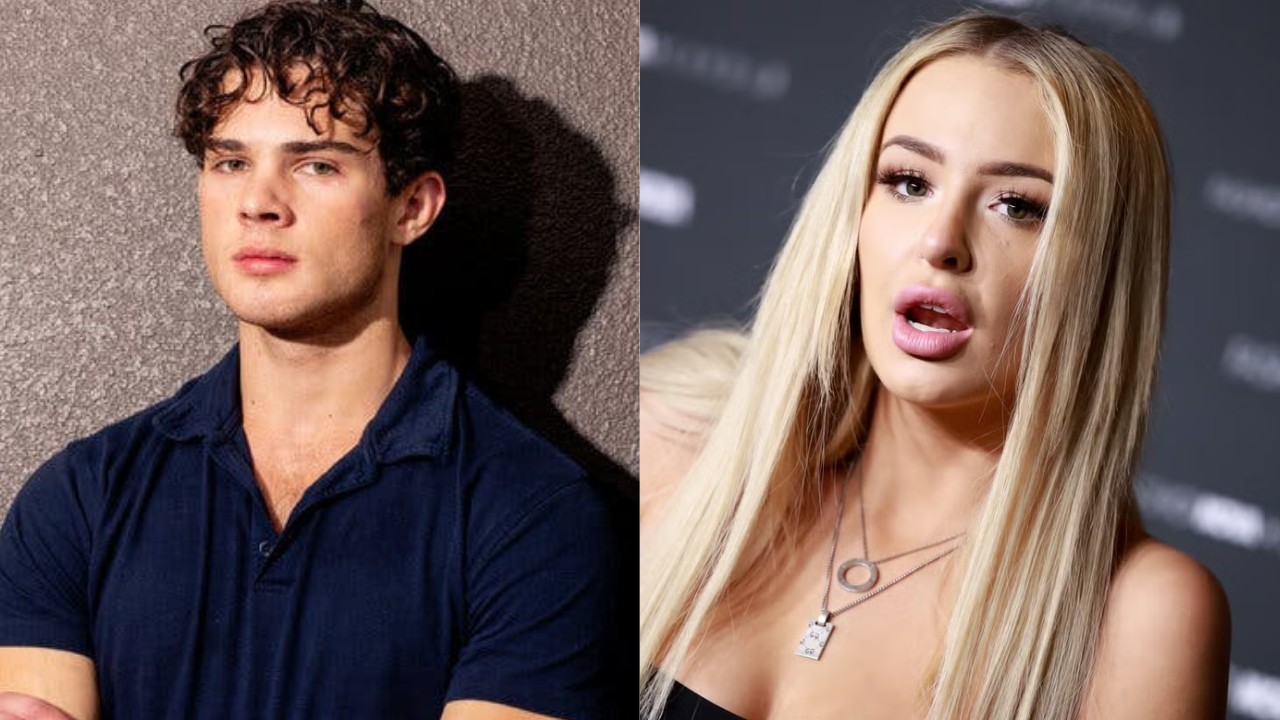
The internet loves a clean narrative. It demands a villain, a victim, and a tidy moral arc that wraps up neatly before the evening news cycle expires. When headlines dropped linking musician D4vd to a murder trial and a volatile teenage relationship, the digital mob didn't hesitate. They built the electric chair out of Twitter threads and TikTok commentary before a single piece of evidence was tested in an actual courtroom.
Everyone is screaming about toxic dynamics, young fame, and the corruption of youth. Everyone is missing the point entirely.
This isn't a story about a musician gone rogue or the dark underbelly of the modern music industry. It is a masterclass in how media hysteria weaponizes public opinion to substitute for due process, turning a complex legal proceeding into a modern-day colosseum.
The Lazy Consensus of the Digital Mob
Look at any mainstream breakdown of this case and you will spot the exact same formula. The lazy consensus relies on three deeply flawed assumptions:
- Fame distorts reality: The narrative claims that sudden success inherently creates monsters out of teenagers.
- Correlative relationships equal causation: If a relationship is messy, public, and volatile, it must automatically cross the threshold into criminal culpability.
- Public perception equals legal truth: Social media outrage treats allegations as established fact the moment a headline hits a trending page.
I have spent years watching public relations disasters unfold from the inside. I have seen management teams panic, PR firms leak selective context, and audiences swallow manufactured outrage whole because thinking critically is harder than clicking a retweet button.
The lazy consensus treats young artists not as human beings navigating complex legal realities, but as disposable content. When we rush to judgment, we destroy the fundamental pillar of justice: the presumption of innocence.
Dismantling the Trial by Headline
The core premise of the public's obsession with this trial rests on a fundamental misunderstanding of how evidence works. People read a headline about a "volatile relationship with a teen" and immediately project their own relationship anxieties, past traumas, and moral judgments onto a live legal case.
Let us look at the actual mechanics of how these narratives are constructed.
When a high-profile figure gets tangled in a criminal investigation, media outlets face a brutal economic incentive. Nuance doesn't generate clicks. "Artist awaits trial" pays the bills; "Legal proceedings involve complex evidentiary standards and multiple conflicting testimonies" does not.
"Public outrage is a poor substitute for forensic evidence. The louder the crowd yells, the farther the truth recedes into the background."
If you strip away the sensationalism, you are left with a standard, albeit high-stakes, legal battle. Trials are not moral tribunals designed to validate public feelings about relationship dynamics. They are narrow, clinical examinations of specific statutory charges.
Why the Relationship Narrative is a Red Herring
The public fixates on the emotional volatility of the relationship because drama is addictive. But emotional volatility is not a crime. Toxic teenage relationships happen every single day across the globe without ending in murder trials.
By hyper-focusing on the interpersonal friction, commentators create a smokescreen that obscures the actual evidentiary burden prosecutors must meet. A messy dynamic does not equal a motive, and a messy text message history does not equal a murder weapon. Conflating the two is lazy journalism at best and malicious manipulation at worst.
The Real Danger of Parasocial Outrage
We need to talk about the psychological contagion driving this phenomenon. Parasocial relationships—where fans feel a deeply personal, one-sided connection to a public figure—warp collective reasoning.
When an artist someone admires or follows turns out to be human, messy, or potentially implicated in a tragedy, the psychological betrayal triggers an overcorrection. The fans who once worshipped them become their most vicious prosecutors. They demand blood because their illusion of intimacy was shattered.
This is where the real danger lies. We are building a culture where an accusation alone strips someone of their livelihood, their reputation, and their right to a fair defense before a judge has even banged a gavel.
If we allow trial-by-social-media to become the default standard, nobody is safe. Not the accused, and certainly not the truth.
Stop waiting for the internet to tell you what to think about high-profile legal cases. Stop confusing emotional disgust with objective guilt. The next time a headline tries to sell you a clean, rage-inducing villain story, look at the evidence they are leaving out.
The truth is rarely viral. It is buried under layers of paperwork, cross-examinations, and procedural rules that the internet refuses to read.
Let the court do its job. Turn off the commentary channels. And stop letting algorithms dictate your moral compass.