Physical infrastructure operates under an inexorable depreciation curve. When a water-control barrier reaches the terminal phase of its functional lifespan, the capital expenditure required for structural remediation frequently surpasses the economic value of the services it provides. In the context of mid-sized river systems, aging impoundments transform from utility assets into acute environmental liabilities. The deliberate removal of an eighteenth-foot barrier after seven decades of operation exemplifies a broader shift in resource management strategy: replacing permanent hydrological fragmentation with managed ecological connectivity.
Evaluating this intervention requires stripping away sentimental narratives about nature healing itself and examining the precise physical, hydrological, and biological mechanisms that govern watershed recovery. The return of anadromous species to historical spawning grounds upstream is not a random biological fluke, but a predictable response to the restoration of hydraulic gradients, thermal regimes, and sediment transport vectors.
The Terminal Asset Lifecycle of Aging Barriers
Every instream structure alters the natural baseline of a river basin. Small-to-medium dams constructed during the mid-twentieth century were engineered primarily for localized water diversion, mechanical power generation, or minor flood attenuation. Over a seventy-year operational window, these facilities undergo continuous degradation driven by three distinct forces: structural fatigue of concrete and earthen anchors, progressive reservoir sedimentation, and shifting regulatory compliance standards regarding seismic safety and fish passage.
Reservoir sedimentation represents the most insidious mechanical failure mode. As impounded water loses velocity behind the barrier wall, suspended particulate matter settles out, filling the storage basin with layers of silt, sand, and organic debris. Over decades, this trapped sediment diminishes the effective storage capacity to near zero, neutralizing the original engineering purpose of the dam. At this stage, the structure ceases to function as a reservoir and instead acts as an artificial waterfall—a sheer vertical drop that arrests the upstream movement of aquatic organisms and traps bedload materials necessary downstream.
When maintenance costs escalate beyond the municipal or private revenue generated by the facility, owners face a binary economic choice: invest heavily in structural rehabilitation and fish ladder retrofits, or execute a controlled decommissioning. Rehabilitation often proves economically irrational. Retrofitting a dilapidated structure to modern seismic codes while simultaneously constructing fish passage channels frequently costs multiples of the original construction capital, yielding an asset with diminishing returns. Consequently, removal emerges as the mathematically sound optimization strategy to eliminate perpetual liability.
Hydraulic Head Reduction and Fluvial Geomorphology
The physical mechanics of dam removal center on the rapid dissipation of hydraulic head and the subsequent re-establishment of continuous fluvial geomorphology. When the barrier is dismantled, the accumulated reservoir drains, and the river channel adjusts its profile to match the pre-impoundment gradient.
This transition triggers a high-energy phase of sediment redistribution. The trapped deposits behind the former dam are mobilized by natural flow events, moving downstream as bedload and suspended load until the channel achieves a new equilibrium slope. This process introduces acute turbidity spikes and localized habitat scouring, phenomena that are frequently misinterpreted by casual observers as environmental degradation. In rigorous ecological terms, however, this sediment pulse is a necessary mechanical correction. Downstream reaches that have starved of gravel and coarse sediment for decades receive an immediate injection of spawning substrates, rebuilding the riffle-pool sequences essential for aquatic biodiversity.
Concurrently, the elimination of the impoundment alters the thermal profile of the watercourse. Reservoirs act as wide, shallow solar collectors, absorbing direct radiation and discharging unnaturally warm water downstream during summer months. This thermal loading depresses dissolved oxygen concentrations and stresses cold-water species. Restoring a free-flowing channel re-establishes thermal equilibrium, anchoring water temperatures to groundwater inputs, riparian shading, and ambient meteorological conditions.
Biological Kinetics of Anadromous Recolonization
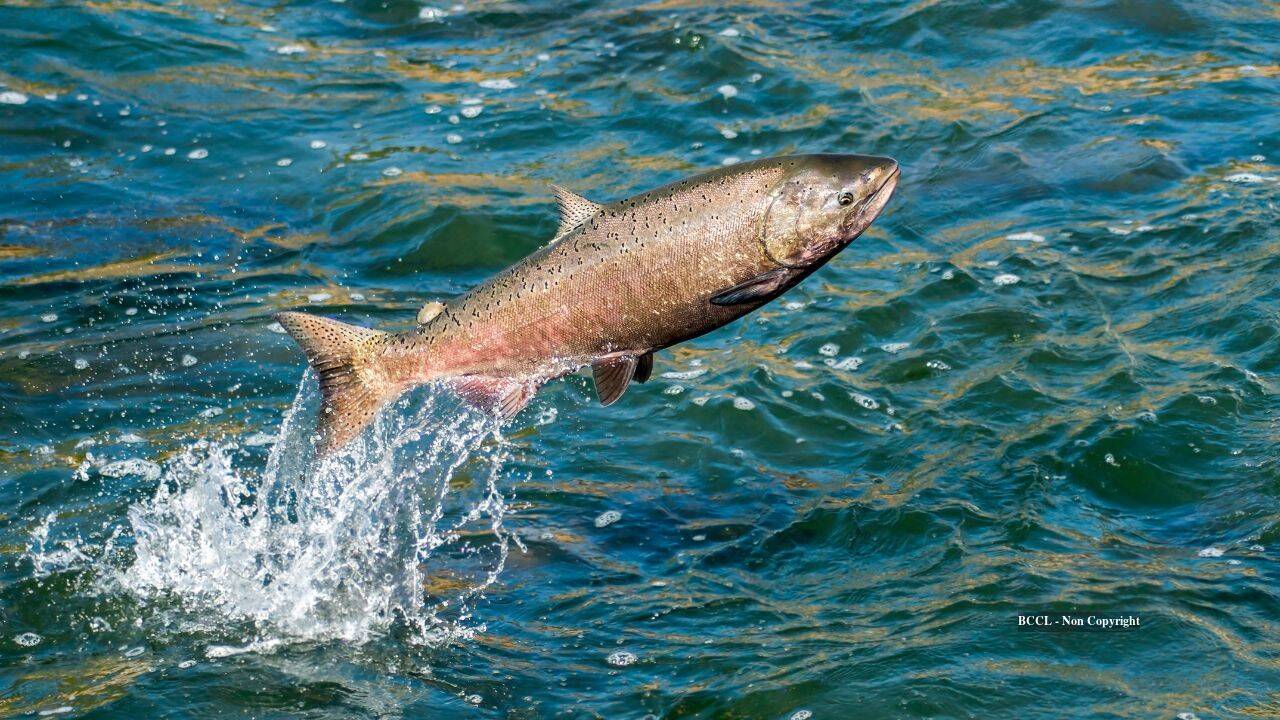
The rapid appearance of migratory fish species upstream of a removed barrier demonstrates the efficacy of instinctual navigation driven by olfactory and hydrodynamic cues. Pacific salmon and steelhead trout rely on distinct environmental signals to orient their upstream spawning migrations. An artificial barrier disrupts these signals by blocking chemical signatures, eliminating current velocity gradients, and creating physical impassability.
When the barrier is removed, the restoration of uninterrupted flow vectors re-opens the chemical corridors. Adult salmon navigating the mainstem river detect the distinct hydrological and chemical signatures of tributaries that were previously sealed off. The physical kinetics of migration shift from stagnation and exhaustion at the base of the dam to continuous propulsion through a rehabilitated thalweg.
Recolonization kinetics follow a distinct temporal sequence:
- Phase One: Immediate scouting by pioneer adults. Within the first migration window following removal, straying adults and those imprinted on lower-basin boundaries breach the former dam site, testing newly accessible upstream habitat.
- Phase Two: Redd construction and egg deposition. As pioneer cohorts successfully access gravel beds previously buried under slackwater silt, spawning activity concentrates in newly scoured riffles.
- Phase Three: Juvenile rearing and outmigration. The subsequent generation utilizes the expanded network for freshwater rearing, benefiting from increased spatial distribution, lower competition densities, and restored invertebrate food webs.
- Phase Four: Marine-derived nutrient cycling. Returning adults that spawn and die upstream deposit significant quantities of marine-derived nitrogen and phosphorus into terrestrial and aquatic food webs, elevating overall primary productivity in the upper watershed.
Each phase depends entirely on the removal of structural velocity barriers and the physical liberation of the streambed. Biological recovery is not an act of regeneration managed by human intervention, but the natural consequence of removing an artificial constraint from an evolutionary adaptive system.
Economic Valuation of Ecosystem Services versus Maintenance Liabilities
Traditional cost-benefit analyses of infrastructure projects historically ignored ecological degradation, treating natural systems as external to financial ledgers. Modern resource economics demands the integration of ecosystem service valuation into municipal and state asset management frameworks.
Maintaining a defunct dam incurs direct financial outlays: structural inspections, sediment dredging, liability insurance, spillway management, and mandated environmental monitoring. Furthermore, keeping the barrier in place generates hidden economic costs, including the suppression of commercial and recreational fisheries, loss of flood-plain resilience, and degradation of water quality treatment functions that municipal utilities must then subsidize via advanced water treatment infrastructure.
Conversely, removing the obstruction converts a financial sinkhole into a capital asset of ecological productivity. The financial return manifests through multiple vectors:
- Elimination of perpetual maintenance expenditure and catastrophic failure liability.
- Revitalization of regional recreational economies reliant on sportfishing and ecotourism.
- Enhancement of natural flood attenuation through the restoration of connected floodplains and riparian wetlands.
- Reduction of chemical water treatment costs achieved via restored natural filtration capacity.
By quantifying these variables, public agencies can demonstrate that river restoration is not merely an aesthetic or conservation gesture, but a rational capital reallocation strategy that prioritizes long-term fiscal prudence over legacy infrastructure maintenance.
Strategic Operational Frameworks for Future Decommissioning Decisions
Municipalities, state agencies, and private operators managing aging hydrological assets must transition from reactive crisis management to systematic portfolio auditing. The successful execution of barrier removal projects requires a standardized methodology for assessing structural viability against ecological restoration potential.
Asset owners must execute a comprehensive inventory of all instream structures, categorizing them by remaining structural lifespan, current operational utility, public safety risk, and downstream ecological impact. When an asset reaches the threshold where rehabilitation costs exceed replacement cost savings, or where the structure fails to meet modern safety and environmental standards, decommissioning must be initiated as the default administrative protocol.
Project execution requires rigorous site-specific geomorphic modeling to predict sediment transport behavior during and immediately after removal. Planners must calculate the volume and composition of stored sediment, determining whether mechanical pre-excavation is required to mitigate downstream smothering or if natural hydrological flushing is sufficient.
Stakeholder engagement must be framed around transparent economic and risk analysis rather than emotional appeals. Communicating the liabilities of aging infrastructure—specifically the escalating risk of unmanaged structural failure during extreme precipitation events—provides a clear mandate for proactive removal. The objective is to shift the regulatory paradigm so that free-flowing rivers are recognized as the baseline standard of infrastructure health, while artificial impoundments are treated as temporary interventions subject to strict sunset clauses.