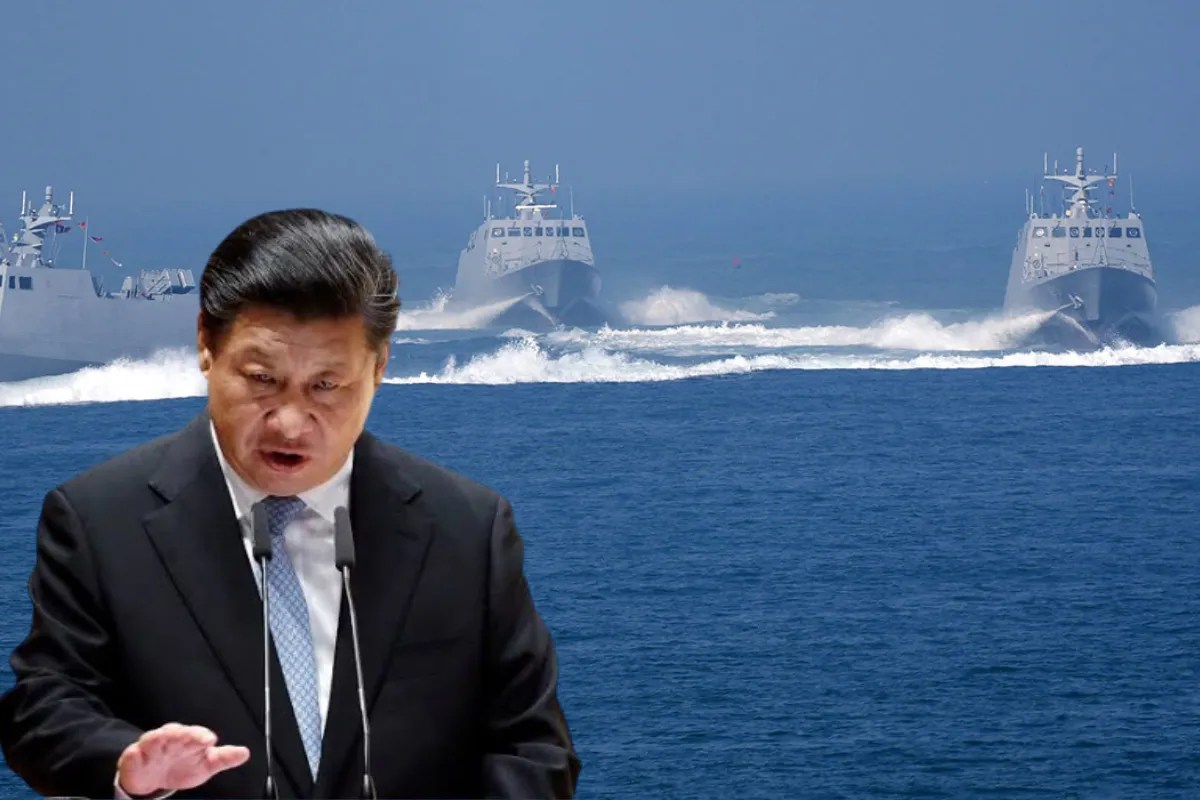
Coercive diplomacy relies on a calculated asymmetry: the threat of force must outweigh the cost of compliance for the target state, while remaining within manageable threshold limits for the initiator. The recent presidential declaration regarding imminent, large-scale strikes on Iranian strategic infrastructure represents a textbook execution of coercive signaling designed to break a diplomatic impasse through threshold manipulation.
Evaluating these threats requires moving past political rhetoric and analyzing the structural variables driving Washington's calculus: energy market resilience, maritime transit choke points, multi-theater deterrence, and the operational mechanics of coercive pressure.
The Tri-Variable Framework of Escalation Control
Military threats in high-stakes geopolitical conflicts rarely function as simple precursors to war. Instead, they serve as calibrated instruments within a broader negotiation strategy. Washington’s current positioning relies on three distinct operational variables.
+-----------------------------------------------------------------------+
|                 TRI-VARIABLE ESCALATION FRAMEWORK                     |
|                                                                       |
|  [1. Cost Ingestion Threshold] ---> "Pain Calibration" (Economic/IRGC)|
|  [2. Coalition Asymmetry]      ---> Strategic Autonomy (U.S. vs Coalition)|
|  [3. Secondary Feedback Loops] ---> Oil Brent $100+ & Maritime Disrupt|
+-----------------------------------------------------------------------+
1. The Cost Ingestion Threshold
Coercive diplomacy operates on the premise that an adversary possesses a finite tolerance for structural damage before political concession becomes rational. By explicitly stating that Tehran "has not received enough pain yet," the U.S. executive branch signals an intent to transition from counter-proxy friction—such as interdicting uncrewed aerial vehicles (UAVs) in maritime corridors—to direct strategic degradation of Iran's internal economic and command infrastructure.
2. Coalition Asymmetry and Force Autonomy
Declarations highlighting that allied forces could participate "within minutes" while simultaneously stressing that foreign assistance is unnecessary serve a dual purpose. Operatively, it preserves complete decision-making autonomy for Washington, avoiding the political friction and delayed reaction times inherent in coalition warfare. Strategically, it creates a dual-threat vector for Tehran: calculating defence against a solo U.S. precision strike versus a joint offensive campaign that includes regional allies.
3. Secondary Risk Suppression
Every escalation threat carries an embedded feedback loop into global markets. The announcement directly addresses the threshold of risk the U.S. administration is willing to tolerate regarding global energy markets, where Brent crude benchmark prices have surpassed $100 per barrel. Coercive signaling only retains credibility if the signaling state demonstrates a willingness to absorb short-term domestic economic pain—specifically elevated inflation at the pump—to secure long-term strategic posture.
Maritime Bottlenecks and Strategic Interdiction
The immediate catalyst for renewed escalation centers on maritime security within two critical energy transit arteries: the Strait of Hormuz and the Bab-el-Mandeb Strait.
                                  +-----------------------+
                                  | Red Sea / Bab-el-     |
                                  | Mandeb Bottleneck     |
                                  +-----------+-----------+
                                              |
                                  +-----------v-----------+
                                  | Asymmetric Attacks on |
                                  | Commercial Shipping   |
                                  +-----------+-----------+
                                              |
+-----------------------+         +-----------v-----------+
| Strait of Hormuz      |-------> | Global Energy Market  |
| Transit Interdiction  |         | Shock (Brent > $100)  |
+-----------------------+         +-----------------------+
Iranian operational strategy historically relies on asymmetric disruption rather than symmetric naval engagements. By deploying sea-denial assets—including anti-ship cruise missiles, fast-attack craft, uncrewed surface vessels, and naval mines—Tehran imposes disproportionate security costs on global commercial shipping without committing its primary force structure.
The Asymmetric Cost Equation
The financial mechanism driving this escalation is rooted in transit risk:
- Insurance Risk Premiums: Attacks on commercial tankers, such as recent strikes against crude carriers in the Red Sea, trigger immediate surcharges on War Risk Insurance. These premiums make commercial transit financially untenable for maritime operators long before physical blockades are established.
- Re-routing Costs: Diverting maritime traffic around the Cape of Good Hope adds 10 to 14 days to transit times between Asia and Europe, removing effective container capacity from global supply chains and compounding inflationary pressures.
- Escalation Asymmetry: Intercepting a $20,000 attack drone with a $2 million standard missile (SM-2 or SM-6) creates an unsustainable defensive burn rate for naval forces.
To break this dynamic, U.S. posture has shifted from point-defense interdiction—shooting down incoming projectiles—to counter-value targeting. By explicitly linking proxy action in the Red Sea directly to targeted infrastructure within Iran, the U.S. attempts to force Tehran to alter its strategic calculus regarding proxy authorization.
Escalation Calculus: Targeted Infrastructure vs. Strategic Equilibrium
A transition from limited strikes to a comprehensive campaign requires selecting target sets that alter the target state's cost-benefit ratio without triggering an uncontrolled general war.
+-----------------------------------------------------------------+
|                  TARGET SELECTION GRADIENT                      |
|                                                                 |
| Level 1: Tactical Offenses (Proxy Bases, Launchers)             |
| Level 2: Economic Infrastructure (Dual-Use Transport/Energy)    |
| Level 3: Deep Strategic Assets (Underground Hardened Complexes)  |
+-----------------------------------------------------------------+
Deep Hardened Target Vulnerability
Primary strategic concern centers on deeply buried facilities, including underground enrichment complexes such as the Pickaxe Mountain site near Natanz. Hardened underground facilities require specialized ordinance, specifically heavy precision-guided earth-penetrator munitions (such as the GBU-57 Massive Ordnance Penetrator), delivered exclusively by strategic stealth bombers.
Executing strikes against targets of this nature fundamentally changes the conflict state from tactical counter-maritime operations to strategic degradation. The technical barrier to destroying such facilities requires sustained sortie rates, high-altitude penetration, and prolonged operational commitment.
Infrastructure Deterrence
The public commitment to target dual-use infrastructure—such as transport bridges or power grids in or near major urban centers like Tehran—operates as a direct counter-value threat. The structural logic relies on internal regime dynamics: degrading civic infrastructure increases internal economic pressure and domestic friction, compelling the leadership to prioritize internal stability over external regional posture.
Strategic Limitations and Failure Modes
Coercive military signaling is inherently unstable and susceptible to specific failure modes that can force a rapid transition from managed leverage to unintended systemic crisis.
- Miscalculated Ingestion Capacities: Coercive diplomacy fails if the initiator misjudges the adversary's willingness to absorb damage. If Tehran views structural concessions as an existential threat to regime survival, no level of conventional strike threat will force compliance, rendering the "pain threshold" model ineffective.
- Horizontal Escalation Dynamics: Iran's regional force posture relies on decentralized, network-based proxies across multiple theaters. A direct, large-scale strike on Iranian sovereign territory risks triggering simultaneous, uncoordinated responses from regional actors, overwhelming integrated air and missile defense networks across the Gulf.
- Economic Self-Harm: While coercive threats rely on demonstrating a willingness to absorb energy price volatility, prolonged disruption above $100 per barrel introduces severe macro-economic headwinds globally, testing political resolve in Western capitals far faster than in Tehran.
Operational Execution Vectors
The executive branch faces a narrow decision framework. Preserving credibility requires selecting one of three distinct operational paths:
- Sustained Precision Counter-Value Operations: Executing targeted strikes against dual-use state infrastructure directly linked to military command networks while avoiding deep nuclear sites, maintaining maximum diplomatic flexibility.
- Comprehensive Strategic Suppression: Deploying heavy strategic aviation assets to conduct a full-scale campaign targeting both air defense networks and deeply buried strategic research complexes, prioritizing physical destruction over diplomatic leverage.
- Stand-Off Maritime Denial: Expanding interdiction campaigns purely within maritime domains, establishing strict exclusion zones around strategic waterways without striking sovereign mainland targets.
Selecting the first path offers the highest structural alignment with coercive signaling principles: it inflicts quantifiable domestic operational costs while maintaining an off-ramp for negotiated settlement before escalation reaches systemic thresholds.