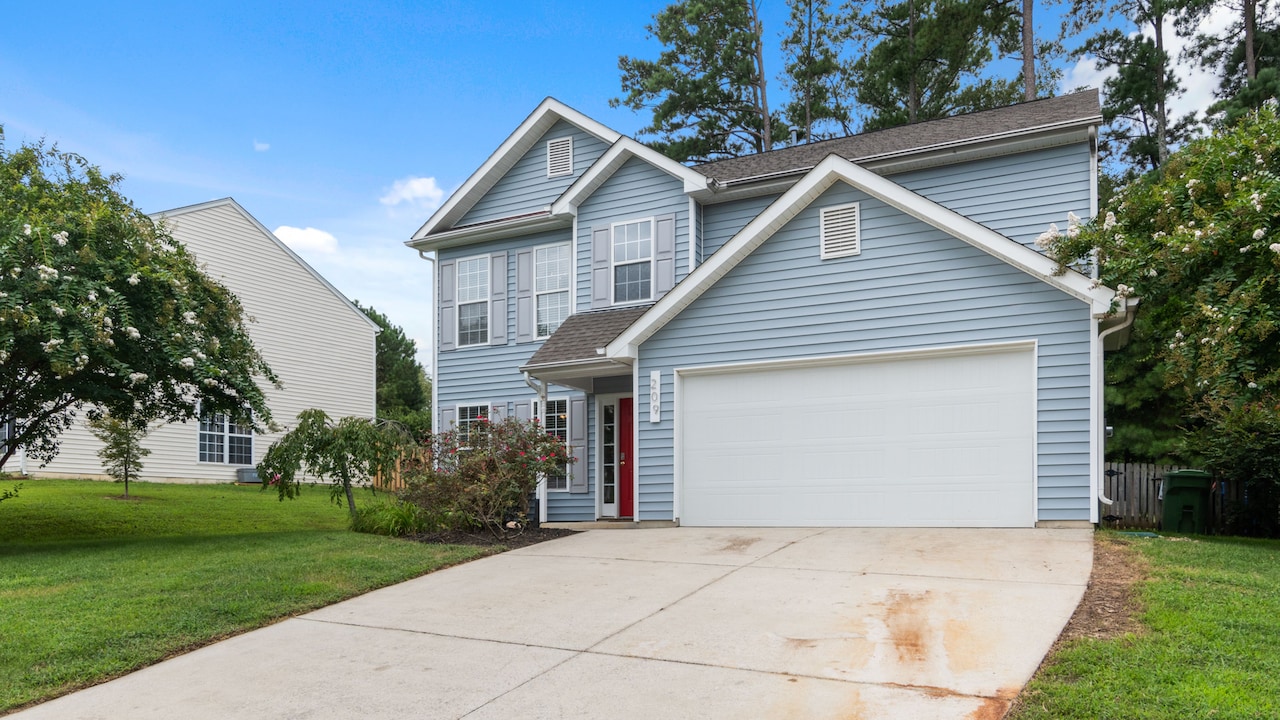
Physical infrastructure theft executed via digital proxy represents a severe vulnerability in localized service procurement. The widely reported incident of a Florida homeowner discovering her entire concrete driveway had been targeted and excavated highlights a critical convergence of identity fraud, contract manipulation, and systemic verification failures within the gig economy and home services sectors.
To understand this phenomenon, one must look past the bizarre nature of the theft and analyze the underlying operational mechanics. The crime is not a random act of vandalism; it is a highly coordinated arbitrage scheme that exploits systemic blind spots in remote property management, contractor deployment protocols, and digital payment systems.
The Tri-Partite Architecture of the Exploitation
The execution of an unauthorized physical asset removal relies on three distinct operational pillars. If any of these pillars fail, the scam cannot progress to physical execution.
+--------------------------------------------------------+
| 1. Arbitrage of Information (The Ghost Listing)        |
|    - Attaching a fraudulent identity to a real asset   |
+--------------------------------------------------------+
                           │
                           ▼
+--------------------------------------------------------+
| 2. Proxy Procurement (Contractor Weaponization)         |
|    - Inducing a legitimate third party to dismantle    |
|      the asset under false authorization               |
+--------------------------------------------------------+
                           │
                           ▼
+--------------------------------------------------------+
| 3. Financial Extraction (The Escrow/Deposit Drain)     |
|    - Siphoning funds via unverified digital rails       |
+--------------------------------------------------------+
1. Arbitrage of Information (The Ghost Listing)
The scam originates with the digital decoupling of property ownership from property management. Perpetrators—often operating from international jurisdictions, such as documented syndicates based in Nigeria—identify vulnerable real estate assets. Ideal targets include homes listed for sale, vacant properties, or residences with high digital exposure via public real estate platforms.
The actor creates a fraudulent listing or acts as a synthetic intermediary, claiming ownership or authorized management of the parcel. By weaponizing the asymmetry of information—knowing the true owner is absent or unwatchful—the scammer establishes a digital beachhead.
2. Proxy Procurement (Contractor Weaponization)
The critical operational pivot occurs when the scammer engages a legitimate, local subcontractor. The perpetrator does not physically arrive with heavy machinery; instead, they exploit the frictionless onboarding of local service platforms or classified ads.
The scammer requests a high-speed asset removal or site preparation service—in this case, the complete excavation of a concrete driveway. The local contractor, operating under the assumption that the digital counterparty has the legal right to alter the land, provides a quote. Because the contractor expects a routine B2C or B2B transaction, they rarely demand proof of deed or title before executing a demolition order. The contractor is effectively transformed into an unwitting tool of property destruction.
3. Financial Extraction (The Deposit Drain)
The monetization matrix does not stem from selling the stolen concrete, which has negligible scrap value relative to the labor required to move it. Instead, the financial extraction occurs via one of two vectors:
- The Subcontractor Overpayment Scam: The perpetrator sends a fraudulent digital check or credit payment to the contractor that exceeds the cost of excavation, requesting that the excess balance be wired to a "materials supplier" or "third-party coordinator" before the initial payment bounces.
- The Fake Down-Payment Scheme: The perpetrator uses the impending or ongoing physical work as a prop to defraud a secondary target—such as a prospective renter or buyer who sees active renovations occurring and feels compelled to secure the property with an immediate deposit via non-reversible digital payment methods (Zelle, wire transfer, or cryptocurrency).
The Vulnerability Matrix in Digital Property Verification
The structural breakdown that permits this exploit occurs because municipal, commercial, and digital verification systems operate in silos.
The first vulnerability is the Zero-Trust Void in Home Services. Ride-sharing and food delivery platforms have integrated multi-layered identity verification (biometrics, geofencing). In contrast, the heavy construction and home renovation sectors still rely on legacy procurement models: a phone call, a digital address pin, and an electronic signature on a work order. Contractors operate under a strong volume incentive, meaning that demanding proof of ownership introduces friction that could cause them to lose the contract to a less-scrupulous competitor.
The second breakdown is Geographic Anonymity. The digital platforms used to coordinate these local services do not enforce strict geofencing or localized identity verification for the party ordering the service. A user registering from an IP address in Lagos can effortlessly masquerade as a property manager in Orlando, coordinating physical logistics without triggering automated fraud alerts, provided they use VOIP numbers and masked email domains.
The third issue is the Asymmetry of Restoration Costs. The cost function of physical destruction is vastly disproportional to the cost of digital fraud prevention. A scammer risks zero capital and perhaps an hour of digital coordination. The homeowner, conversely, faces immediate financial liability. The economic math of a stolen driveway reveals an extreme imbalance:
$$\text{Scammer Cost ($0)} \ll \text{Contractor Labor Costs ($2,000–$4,000)} \ll \text{Homeowner Replacement Cost ($8,000–$15,000)}$$
Because insurance policies frequently contain exclusions for unforced construction errors or dispute-related property alterations, the property owner often finds themselves stranded outside standard indemnification frameworks.
Hardening the Physical-Digital Interface
Mitigating the risk of proxy property destruction requires systemic changes across the service-procurement pipeline. Relying on law enforcement after the physical asset has been broken up and hauled away is a failed strategy due to the jurisdictional barriers protecting the true perpetrators.
Contractors must implement mandatory Title and Identity Cross-Referencing. Before any irreversible site alteration (demolition, excavation, tree removal) occurs, the operating protocol must require the contractor to verify that the name on the service contract matches the listed owner on the county property appraiser’s public database. If a property manager or intermediary is used, a notarized limited power of attorney or proof of corporate management must be uploaded to the work order.
Municipalities and real estate networks should deploy Asset Alteration Alerts. Much like credit monitoring services alert consumers to new inquiries, automated triggers should notify property owners via registered mail or linked digital accounts whenever a building permit, utility disconnect, or public-facing service request is initiated against their parcel identifier.
Strategic Allocation of Liability
When these scams succeed, the legal battleground inevitably centers on whether the contractor or the homeowner bears the financial burden of restoration.
The legal doctrine of apparent authority is frequently tested in these scenarios. However, because the scammer possesses zero actual authority to bind the property owner, a contractor who executes a demolition order without verifying the identity of the counterparty faces massive exposure to tort liability for trespass and conversion.
The long-term resolution of this vulnerability will not come from consumer vigilance, but from the insurance and legal liabilities imposed on the service providers. Once contractors realize that executing a digital order without rigorous physical verification risks a business-ending lawsuit for property destruction, the market will rapidly self-correct. Until then, the open-source nature of property data combined with the frictionless deployment of local labor ensures that physical assets remain paradoxically exposed to remote digital manipulation.