You probably thought MapQuest died sometime around 2008. Most people did. But a bizarre political fight over a body of water just shoved the ancient mapping dinosaur straight to the top of the App Store charts.
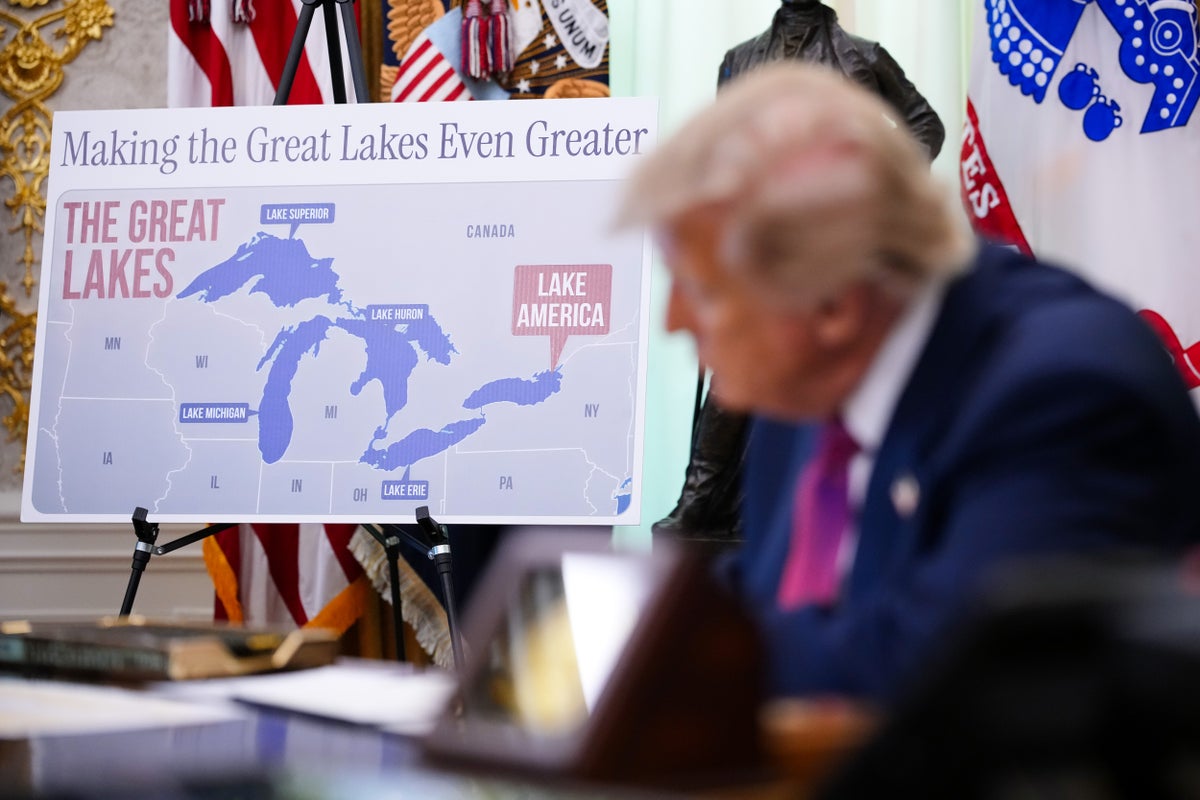
When the White House issued an executive order demanding that Lake Ontario be officially known as Lake America following collapsed trade talks with Canada, Big Tech bent the knee almost instantly. Google updated its maps database for U.S. users to reflect the change, choosing compliance with the U.S. Geographic Names Information System. MapQuest took a different route. They posted a flat refusal on social media, telling users they simply were not changing it.
That single act of defiance triggered a massive wave of nostalgia and political spite-downloading. Within days, MapQuest saw downloads spike to more than fifty times their normal rate, rocketing past major competitors to hit number one on navigation charts and even crack the overall top five on iOS.
The Mechanics of a Nostalgic Protest
It turns out that refusing to play along with arbitrary administrative renaming is a phenomenal marketing strategy. MapQuest didn't stumble into this accidental PR win by accident; they ran the exact same playbook last year when the administration ordered the Gulf of Mexico to become the Gulf of America. Back then, they launched a custom name generator that let users call the water whatever they wanted. They repeated the trick for Lake Ontario, spinning up a microsite allowing custom labels while keeping their core database anchored to reality.
When big corporations prioritize bureaucratic compliance over common sense, users notice. Google tried to play a clever localization game—showing "Lake America" in the U.S., "Lake Ontario" in Canada, and both names elsewhere. That compromise pleased practically nobody. It annoyed Canadians who rely on cross-border software, irritated users who hate corporate submission, and dragged mapping software directly into the culture wars.
MapQuest realized that having a tiny market share actually frees you up to take a stance. When you are a multi-billion-dollar utility baked into every smartphone on earth, you worry about federal databases and compliance. When you are the scrappy underdog that people remember from printing driving directions on beige desktop computers in 1996, you can afford to tell the government no.
What This Means for How We Use Digital Maps
We treat digital maps like objective mathematical truths. We assume a river, a lake, or a mountain has an intrinsic name encoded into the satellite imagery. This whole mess proves that digital geography is entirely political. Boundaries, labels, and names change the second someone with enough authority edits a database.
Google relies on official federal feeds like the GNIS to maintain its automated integrity. Apple has historically moved slower on these types of politically charged geographic adjustments, leaving its map application stuck in a middle ground while regulators sweat. Yet reliance on automated data feeds means tech monoliths often absorb administrative whims without pushing back.
The surge in MapQuest downloads won't permanently dethrone Google Maps. Nobody is ditching real-time traffic routing and local business reviews just to make a point about a lake. But it highlights a growing fatigue with tech giants adapting instantly to every political wind shift.
Stop treating mapping apps as neutral tools. They are products shaped by corporate policy, government pressure, and occasionally, a brilliant marketing stunt from a brand you thought went out of business two decades ago. Download MapQuest for the irony if you want, or just keep using your default GPS, but remember that the names on your screen are always up for negotiation.