The desk is empty.
Not because of a morning meeting, or an extended lunch across town, or a strategic retreat in the mountains. It is empty because the man who built an empire from scraps of discarded steel and quiet ambition has finally decided to let go of the wheel.
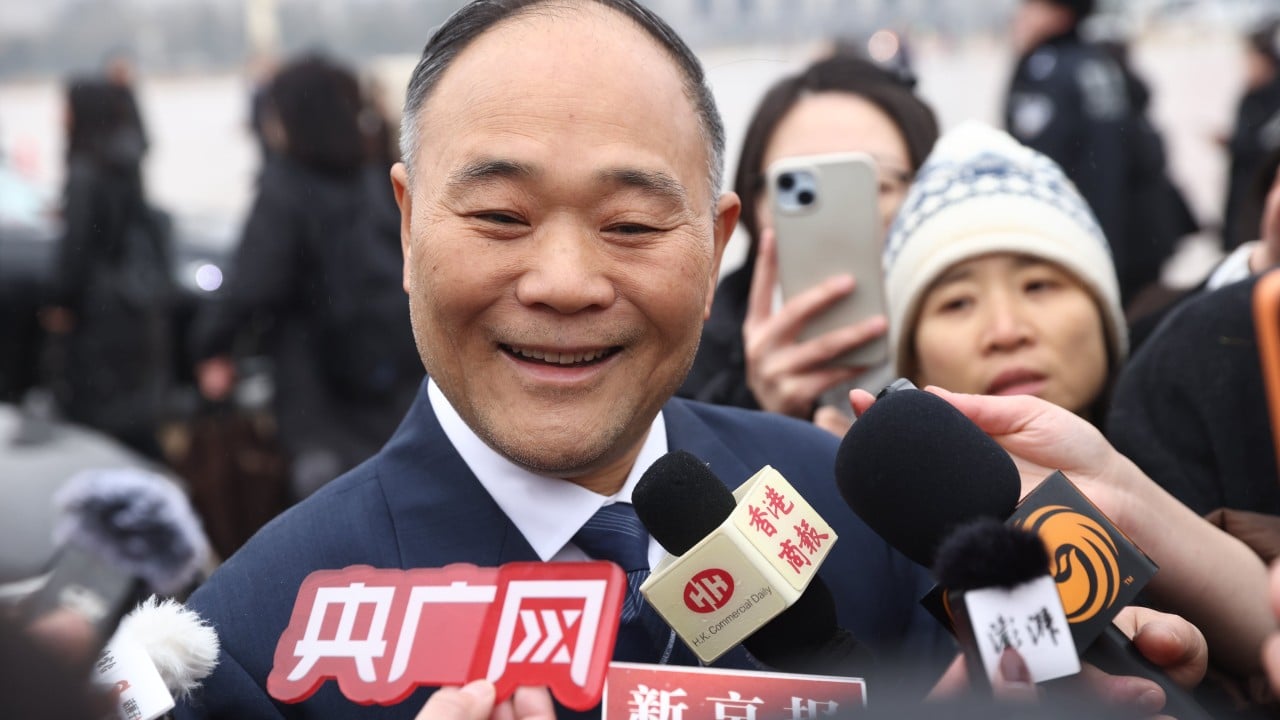
Li Shufu is stepping down.
In the sleek corporate towers of Hangzhou, the news arrived not with a thunderclap, but with the dry rustle of financial disclosures. Profit slips. Margins tighten. The quarterly report reads like a pulse slowing down on a monitor. For years, the story of Geely Auto was one of relentless acceleration—a scrappy domestic challenger buying up iconic western names like Volvo and Lotus, defying skeptics who thought a refrigerator-parts maker from Zhejiang could never conquer global asphalt.
Yet empires are heavy. And empires fueled by hyper-growth eventually demand a reckoning with gravity.
The Weight of the Machine
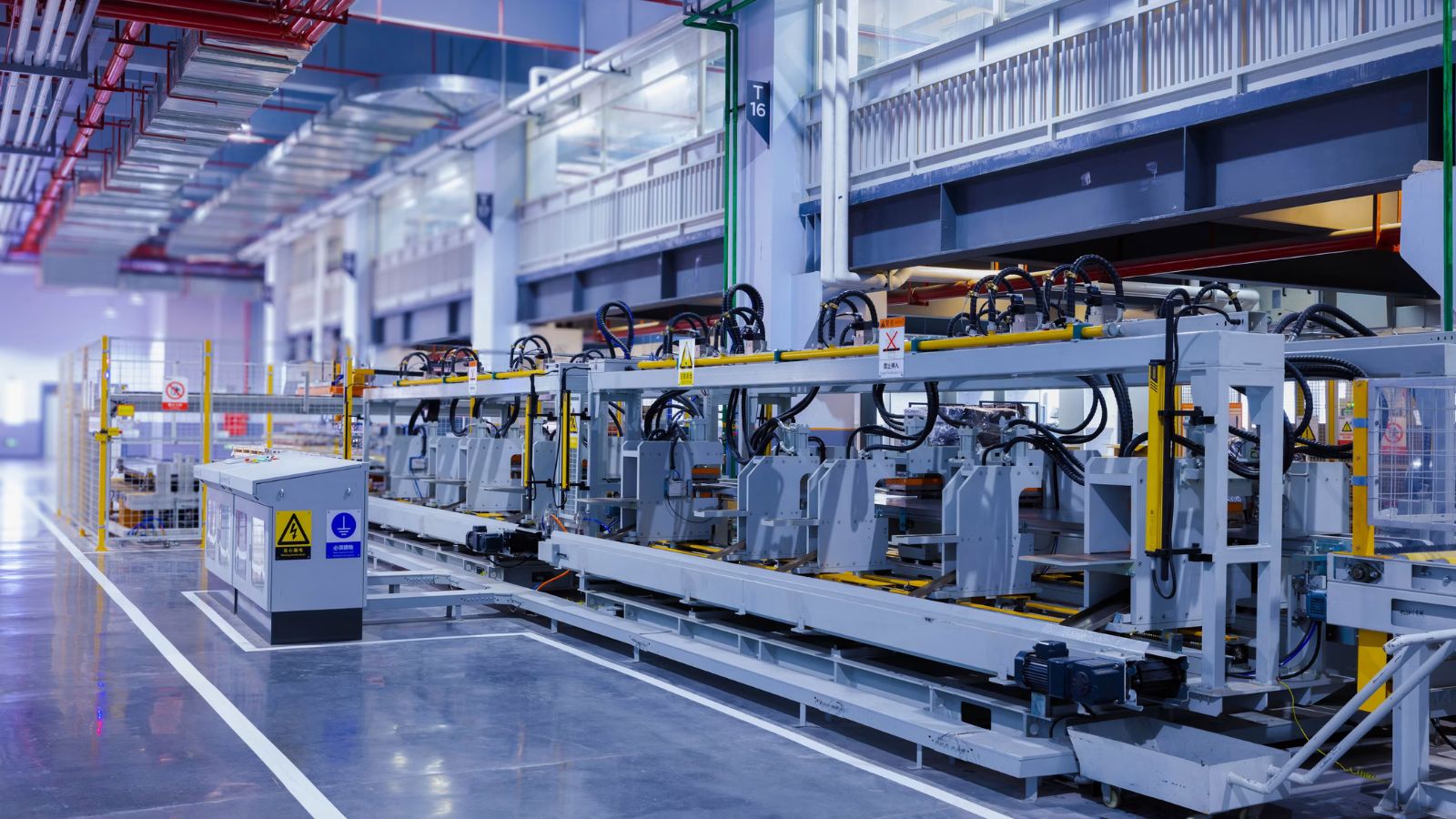
Imagine standing on a factory floor at midnight. The smell of hot oil, ozone, and scorched rubber hangs thick in the air. Robotic arms whip through the darkness with terrifying precision, welding chassis together in fractions of a second. Millions of vehicles roll out of these doors every single year, shipped to continents the founder once only looked at on faded school maps.
Behind that clockwork choreography sits a human cost.
When Li Shufu founded Geely in the mid-1980s, China’s automotive market was little more than a whisper of bicycles and imported luxury sedans for the state elite. He had no government backing, no ancestral wealth, and no inherited blueprint. He had a camera, a rented storefront, and an obsessive, almost unreasonable belief that ordinary people deserved to drive.
To watch that man hand over daily control now is to witness a profound shift in modern commerce. This is the twilight of the founder-autocrat. For decades, the Chinese auto sector grew through sheer force of will, driven by legendary figures who made decisions in the dark of night and bet entire fortunes on a single production line. But the market has mutated. The battlefield has shifted from combustion engines to silicon chips, battery chemistry, and brutal price wars in the electric vehicle arena.
Margins are bleeding. Competition is cannibalistic. Even the giants are stumbling.
Inside the Balance Sheet
The public announcement spoke of restructuring, of strategic positioning, of clearing the path for a younger generation of executives to navigate the choppy waters ahead.
Look closer at the ledger.
Profitability has contracted under the weight of aggressive discounting. To stay alive in the world's largest automotive market, manufacturers have engaged in a race to the bottom, slashing prices on electric sedans and SUVs just to maintain market share. Geely is no exception. While volume remains high—millions of units sold, factories humming across the globe—the financial return on that immense output has grown fragile.
(Note: While external reports point to tightening margins and shifting executive structures as the primary catalysts, the internal pressures of managing a sprawling global conglomerate of Volvo, Polestar, Zeekr, and traditional combustion brands cannot be understated.)
When the profit curve bends downward, boards panic. Founders dig in their heels. But Li Shufu did something rarer. He stepped back.
There is a specific kind of exhaustion that comes with winning too fast. You spend thirty years proving that the establishment is wrong, only to wake up one morning and realize your own creation has become the establishment. The agility that saved Geely during its early struggles—the willingness to buy troubled foreign brands, to gamble on electric platforms before anyone else cared—can ossify into bureaucracy.
The Human Core
Let us step away from the spreadsheets for a moment and look at what happens in the living rooms of Hangzhou and Shenzhen.
A middle-aged engineer named Chen, who spent twenty-five years designing transmission systems that no longer exist in the electric age, sits at his kitchen table. His daughter scrolls through her phone, looking at sleek, minimalist dashboards of new EV start-ups that didn't exist five years ago. To Chen, Geely was a sanctuary. It was where he built a career, bought his first apartment, and watched his hometown transform from a quiet agricultural hub into a neon-lit megalopolis.
When the head of the company steps down, Chen does not read the financial ticker. He wonders if his division will be restructured. He wonders if the old vision—the stubborn dream of making cars for the masses—survives in a boardroom now dominated by risk analysts and software architects.
This is the invisible stakes of corporate succession. It is never just about stock prices or executive titles. It is about continuity. It is about whether a culture forged in the fires of gritty industrial ambition can survive the sterile corporate transition into a software-driven future.
The Road Ahead
The transition will not be gentle.
The automotive industry is undergoing its most violent metamorphosis since the assembly line was invented. Gasoline is giving way to electrons. Metal is giving way to code. Car companies are no longer manufacturing companies; they are consumer electronics firms on wheels, locked in a perpetual update cycle where a single software bug can recall half a million vehicles overnight.
Li Shufu understood how to build cars in a world that valued steel. Whether his successors know how to build software-defined ecosystems while keeping the profit margins from evaporating is an entirely different question.
History suggests that when the visionary leaves the stage, the institutional friction begins. The defenders of the old ways clash with the apostles of the new. Compromises are struck. Compromises that either save the enterprise or dilute its soul.
The factory floor in Hangzhou keeps moving. The robotic arms still dance in the dark. Millions of tons of steel still flow into the presses, shaping the future of global mobility one chassis at a time.
Only now, the chair at the head of the table is cold. And the road outside has never looked more uncertain.