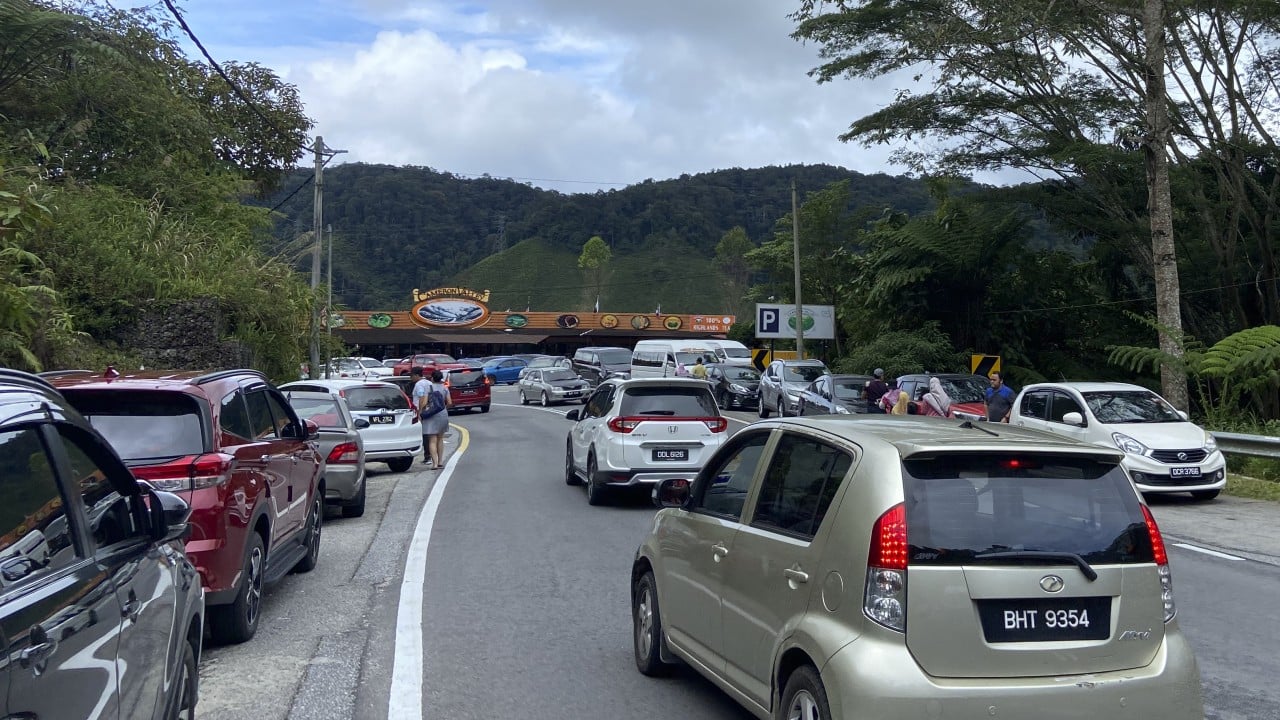
Every tourism board analyst and headline writer in Southeast Asia wants to pat themselves on the back. They look at domestic mobility charts, see a spike in multi-generational Klang Valley road trips to hometowns in Kedah or Johor, and immediately craft a feel-good narrative. The lazy consensus says that local consumers have undergone a profound spiritual realignment. We are told that post-pandemic priorities have shifted inward, toward kinship and ancestral roots, supplanting the superficial allure of a weekend getaway to Phuket or Bali.
It is a comforting bedtime story. It is also complete nonsense. Meanwhile, you can read similar stories here: Why Israel Ordering Security Reviews After the flydubai Attack Misses the Entire Point.
People do not substitute a flight to Tokyo with a three-day squeeze on the North-South Expressway because Grandma's cooking suddenly outranks a passport stamp. They do it because currency depreciation, aggressive inflation, and shrinking real wages have turned international leisure into an elite luxury sport. When the ringgit loses purchasing power against regional neighbors, staycations and mandatory kampung visits masquerade as wholesome lifestyle choices.
Let us look past the sentimentality and dissect what the data actually reveals about domestic travel patterns in Malaysia. To explore the bigger picture, we recommend the recent article by Condé Nast Traveler.
The Economics of Compulsory Nostalgia
For years, analysts have tracked movement metrics around festive seasons and school holidays with a naive lens. They register rising highway traffic volumes and assume discretionary spending is booming. This is a fundamental misread of liquidity.
When disposable income contracts, consumer behavior does not evaporate; it compresses. International flights require foreign exchange, upfront accommodation bookings in hard currencies, and a risk tolerance for volatile exchange rates. Driving four hours up to Ipoh or Kuantan to stay in a spare bedroom costs gas money and toll fees. It is a defensive maneuver, not an ambitious recreational choice.
I have watched mid-market hospitality operators scratch their heads for quarters, wondering why domestic tourism metrics look robust while profit margins bleed. The answer sits right in front of them. The volume of travelers is moving, but the wallet share per trip is crashing. Families are packing their own meals in Tupperware containers for rest-stop picnics because highway food court pricing has become predatory. They are cutting out theme parks, paid attractions, and boutique lodging.
To call this a cultural pivot toward family values is an insult to the financial realities facing the urban middle class. It is economic rationing disguised as tradition.
Decoding the Domestic Data Mirage
Let us examine the mechanics of how this data gets collected and distorted. Ministry reports and transport analytics track vehicle transponder passes and highway concessions. They count bodies moving from point A to point B.
What they fail to measure is intent and optionality. If a family has zero ringgit left for an overseas holiday after paying escalating mortgage rates on a suburban terrace house in Shah Alam, visiting relatives isn't a leisure activity. It is the cheapest form of domestic shelter and entertainment available.
[Disposable Income Compression]
       │
       ▼
[International Travel Priced Out]
       │
       ▼
[Forced Substitution: Kampung Visits & Highway Staycations]
       │
       ▼
[Misinterpreted as "Cultural Shift Toward Family"]
When you strip away the corporate PR spin from tourism conglomerates, the reality is stark. Discretionary spending on actual leisure—things that do not involve staying with blood relatives who subsidize your accommodation—is flatlining.
The industry loves to talk about experiential travel and hyper-local discovery. But ask any hotel general manager outside of high-end Langkawi or Penang resorts how weekday occupancy looks. It is hollowed out. The only movement happening is weekend traffic driven by social obligation and budget constraints.
The Cost of Pretending Everything Is Fine
There is a dangerous downside to this corporate self-deception. When policymakers and tourism boards convince themselves that Malaysians are voluntarily choosing domestic frugality out of noble family-centric motives, they ignore the structural decay beneath the surface.
If you believe consumers prefer driving six hours in bumper-to-bumper holiday traffic over a two-hour flight to a neighboring country because they love their aunts more, you will never fix the underlying structural problems. You will not address currency stabilization, wage stagnation in the services sector, or the ballooning cost of living in urban centers.
True industry resilience requires brutal honesty. We are seeing a consumer base retreating into safety zones. They are circling the wagons because the cost of living outside their immediate safety net has become terrifyingly high.
How to Read the Market Without Rose-Tinted Glasses
If you are an investor, a hospitality operator, or a retail strategist operating in this region, stop reading the feel-good press releases. Look at average transaction values, not passenger volume counts.
Watch the grocery delivery apps versus flight bookings. Track the surge in budget hypermarkets during long weekends. The consumer is still moving, but they are optimizing for survival and low-cost proximity, not enrichment or exploration.
The next time you read a headline praising the domestic tourism boom fueled by wholesome family ties, remember what is actually happening behind the windshield. People are making pragmatic compromises with a tight budget, squeezing what joy they can out of a tank of petrol and a family reunion because the wider world has simply gotten too expensive.
Stop romanticizing the budget crunch. Look at the numbers, acknowledge the squeeze, and build products for a market that has to count every single ringgit before it turns the ignition.