Dengue infections in Malaysia have spiked by a staggering 56.2 per cent, claiming 55 lives while hospitals scramble to manage the influx. If you think this is just another routine seasonal uptick, you're missing the bigger picture. Over 58,000 cases have hit communities across the country, and the tool meant to stop this crisis in its tracks—the dengue vaccine—is sitting on clinic shelves, largely ignored.
People aren't lining up. Why? It's not because the country has suddenly turned anti-vaccine. The reality is far more mundane and much harder to swallow: money. You might also find this related coverage interesting: Why Being a Physiotherapist in Hong Kong Just Got Surprisingly Hard.
The Real Cost Barrier Behind Low Vaccine Uptake
When a two-dose vaccine regimen sets you back anywhere from 420 to 500 ringgit, people hesitate. Dr. Shanmuganathan TV Ganeson, president of the Federation of Private Medical Practitioners' Associations, Malaysia, points out that cost is the primary bottleneck.
Think about how everyday household budgets work. Families are balancing groceries, rent, and inflation. When faced with a 500-ringgit medical bill for a preventative shot, many ordinary citizens draw the line. As extensively documented in detailed reports by Medical News Today, the effects are worth noting.
Worse, the dengue vaccine has to compete with cheaper alternatives. Take the flu shot, which costs less than 100 ringgit. Travelers and budget-conscious parents routinely opt for the cheaper injection, leaving dengue protection out of reach. Add strict medical exclusions—the vaccine can't be given to pregnant women, breastfeeding mothers, or immunocompromised individuals, and is only cleared for ages four to sixty—and your eligible pool shrinks even further.
Where the Surge Hits Hardest
The outbreak isn't spreading evenly. While urban centers like Selangor have long battled high numbers, recording 25,090 cases, smaller regions are seeing explosive growth.
Perlis saw a jaw-dropping 207 per cent increase, jumping from 55 cases to 169. Johor cases more than doubled, climbing 109 per cent to 8,639. Kuala Lumpur and Putrajaya experienced a 106 per cent surge past 10,000 cases.
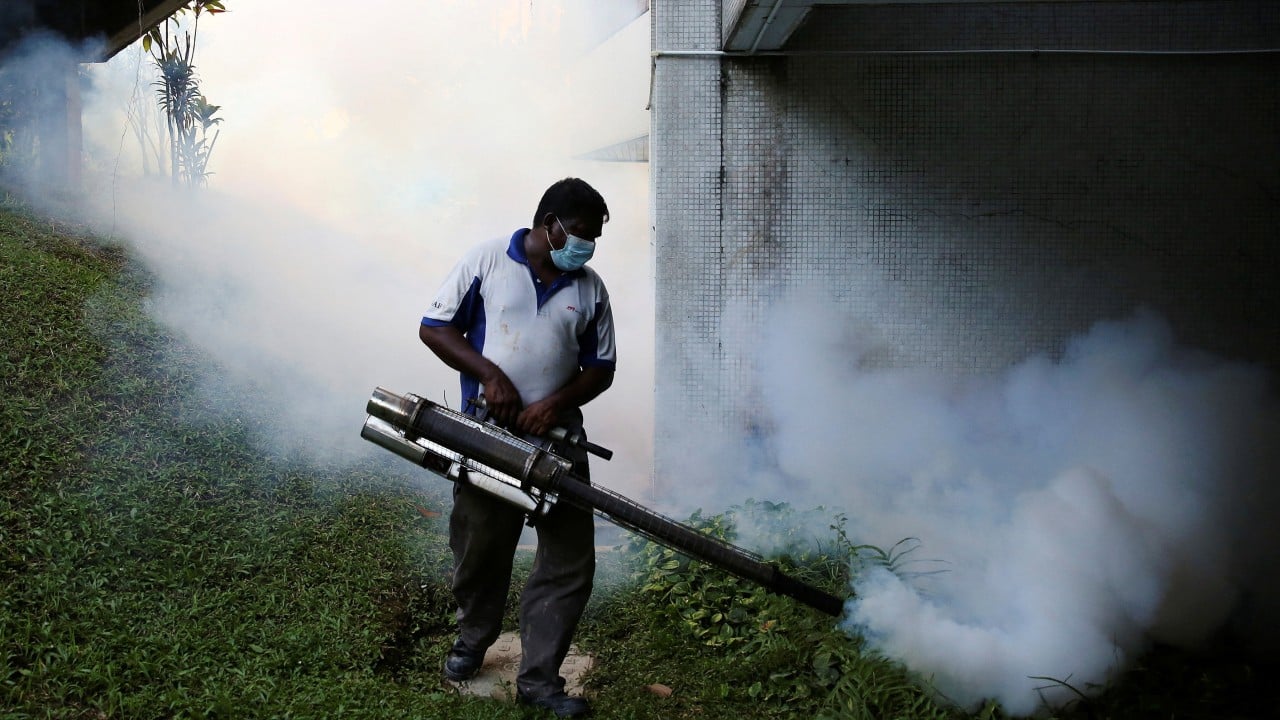
The Health Ministry has deployed vector control teams, early case detection, and outbreak management protocols. But fogging neighborhoods and clearing out stagnant water only go so far when the virus keeps adapting and circulating.
Moving Beyond Hesitancy Misconceptions
Professor Zamberi Sekawi, co-chairman of Dengue Prevention Advocacy Malaysia, emphasizes that low uptake stems from a lack of clear answers rather than outright rebellion. Citizens want hard data on long-term safety and real-world efficacy before dropping half a grand on a private jab.
Public awareness campaigns lag behind the actual threat level. General practitioners, who usually field these questions, often lack the promotional muscle of larger healthcare networks. When a doctor sits down and actively recommends the vaccine, uptake changes. Personal conversations beat generic public service announcements every single time.
If you live in a high-risk zone like Selangor or Johor, don't wait for state-funded rollouts that may take years to materialize. Talk directly to your family doctor about your personal risk profile, weigh the two-dose investment against your household health safety, and don't let financial friction put your life on the line.