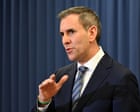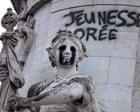
French President Emmanuel Macron called recent street violence "seditious acts" by "ultra-left" groups trying to "bring down the Republic". He also said the government will move to ban demonstrations not organized by trade unions.
That framing is explosive. Calling protesters seditious turns street anger into an existential threat against the state. Banning non-union marches cuts straight into the right to protest in France.
Following a security council meeting at the Élysée Palace alongside Prime Minister Sébastien Lecornu and Interior Minister Laurent Nuñez, officials announced tighter restrictions and bigger police deployments. Cities like Lyon moved to ban protests outright after severe looting and arson, while Paris and other cities restricted routes or city centers.
Let's be honest. When a government reaches for words like "seditious," it isn't just describing broken glass and burned storefronts. It's trying to draw a sharp line between respectable dissent and dangerous extremism. Whether that line holds in the streets or in the courts is another story altogether.
What Macron Actually Said After the Security Council
Macron wasn't speaking in a vacuum. Weeks of student demonstrations, cost-of-living anger tied to Yellow Vest organizers, and union mobilizations had already strained public order. Then came violent clashes that left hundreds of shops looted in Lyon, public property damaged, and officials admitting police had lost control at times.
In his remarks after the security council, Macron pointed squarely at ultra-left groups. He argued those actors weren't simply protesting policy—they were engaging in seditious acts aimed at toppling the Republic. At the same time, he signaled that demonstrations not backed by trade unions would face bans as authorities try to separate peaceful grievances from street chaos.
That distinction sounds neat on paper. In practice, it's messy.
Protest movements rarely come with clean labels pinned to every marcher. A student march can start peacefully, draw fringes looking for a fight, and end with police tear gas and court battles over ban orders.
Why Banning Non-Union Protests Sparks Pushback
In France, trade unions have long played an institutional role in organizing massive street protests. They negotiate with authorities, set marshals, and negotiate routes. From a policing standpoint, working with established unions is predictable.
Banning demonstrations that aren't organized by unions flips the script. It tells students, grassroots collectives, and cost-of-living groups that their street presence isn't welcome unless a union sponsors it.
Critics and organizers pushed back immediately. Student leader Coppelia Moreau argued that authorities were trying to divide demonstrators into "good" and "bad" protesters in ways that chip away at the right to demonstrate. Yellow Vest organizers likewise rejected restrictions that boxed marches away from central areas.
Even legally, blanket or sweeping bans run into friction fast. Emergency court injunctions can overturn police bans when judges decide the restriction goes too far. Telling people they can't march without a union banner invites legal challenges and defiance—sometimes on the very same day.
The Bigger Picture Beyond the Street Clashes
Street unrest in France doesn't sit in isolation. Markets feel it, rivals watch it, and opposition politicians pounce on it ahead of elections.
Investor anxiety showed up clearly in bond markets, with the risk premium on French debt over German bonds hitting a 15-year high and benchmark 10-year yields climbing above 5%. When streets look unstable and fiscal pressures linger, bond traders don't wait around for calm speeches.
Politically, rivals have plenty of room to attack. Some argue the government waited too long or lacked grip; others warn that heavy-handed bans inflame resentment rather than curing it. Meanwhile, Macron has also pushed back against foreign political figures trying to score points off France's turmoil.
Here's the real trap for any leader in this spot. Overreacting can turn ordinary citizens against the state. Underreacting makes the government look weak.
Common Misconceptions About French Protest Bans
People outside France—and plenty inside it—often misunderstand how protest rules work during unrest.
- A ban means nobody goes outside. Not even close. Court injunctions sometimes lift bans, and determined crowds still gather, turning enforcement into a flashpoint.
- All protests are treated the same. Authorities often approve one march while banning another, or restrict access to sensitive city centers and commercial districts.
- Blaming the "ultra-left" settles the debate. Labeling violence as sedition defines the government's political argument. It doesn't automatically resolve underlying grievances over wages, tuition, or living costs.
There's also a practical reality from watching street politics over the years: crackdowns can quiet a square for a weekend without fixing what brought people into the street in the first place. Sometimes they just push anger into new channels.
What to Watch Next If You're Following the Story
If you're tracking how this plays out in France and across Europe, don't just count arrests or read headlines about tough rhetoric. Look at the mechanics underneath.
- Check court rulings on ban orders. Emergency administrative injunctions often reveal where the legal boundary sits between public order and freedom of assembly.
- Watch union positioning. See whether major unions keep their distance, step in to channel frustration, or clash with government plans.
- Track local prefectures, not just Paris. Decisions in cities like Lyon, Grenoble, or Rouen often show how severe local disruptions are and how mayors and police are responding.
- Follow bond spreads and business closures. When major events cut short or markets price in political risk, the economic cost becomes hard to ignore.
Macron Blames Ultra-Leftists For France Protests As Government
This video covers Macron's response to the unrest and blame placed on ultra-left groups, giving you a quick visual look at how the official narrative was framed around the crackdown.