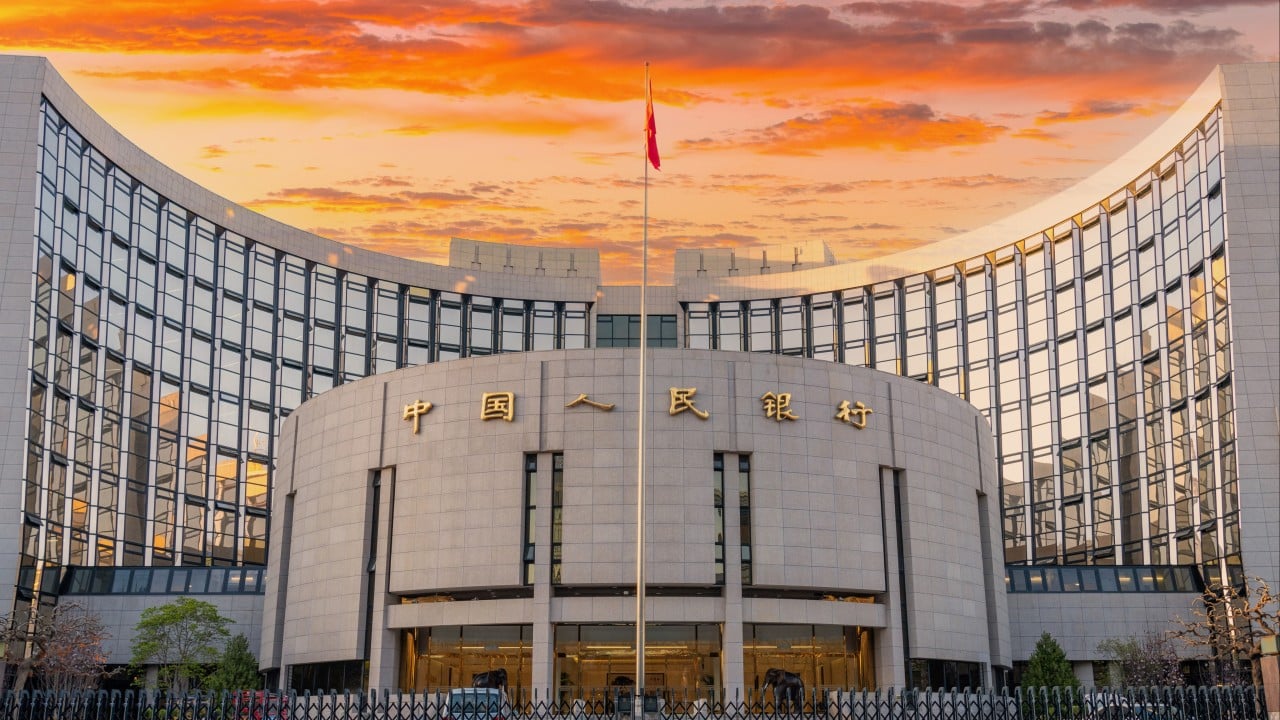
International trade negotiations and foreign exchange valuations operate within a framework of systemic state intervention. When trading partners lodge complaints regarding currency manipulation or artificial undervaluation, the defending sovereign entity must balance macroeconomic stability against external trade imbalances. Understanding this dynamic requires examining the transmission mechanisms of monetary policy, the structural role of state-directed trade expositions, and the velocity of domestic consumer mobilization during high-density holiday periods.
State-level resistance against exchange rate complaints relies on the institutional architecture of managed floats and capital controls. Monetary authorities maintain competitive export pricing by regulating liquidity flows and intervening in foreign exchange markets. The cost function of currency appreciation involves immediate margin compression for domestic manufacturers, who rely on volume-driven cost advantages rather than pricing power. When international bodies demand parity adjustments, defending states calculate the trade-off between foreign appeasement and domestic employment preservation.
The primary transmission mechanism operates through credit allocation and export tax rebates. State-owned banking institutions direct capital toward manufacturing sectors with high export propensity, effectively subsidizing production costs. Foreign complaints regarding these mechanisms often target structural unfairness, yet sovereign defenders frame these policies as necessary cushions against global demand volatility. The resulting friction creates a diplomatic equilibrium where currency valuations remain insulated from market-clearing equilibrium forces.
Trade expositions function as operational barometers for industrial output and international buyer engagement. The Canton Fair exemplifies this aggregation function, serving as a centralized marketplace where supply chain nodes converge. Evaluating the economic impact of such events requires analyzing three primary vectors: contract velocity, buyer diversification, and inventory turnover rates.
During periods of currency friction, trade fairs act as liquidity shock absorbers. When foreign exchange disputes threaten long-term bilateral agreements, physical trade venues allow suppliers to lock in multi-quarter purchase orders before policy adjustments materialize. The institutional design of these fairs minimizes search costs for global buyers while allowing host manufacturers to showcase technological upgrades or efficiency gains that justify existing price structures.
Simultaneously, domestic travel metrics during national holidays provide a direct read on internal consumption resilience. The Golden Week travel period generates massive localized economic activity, shifting capital from industrial investment to services, hospitality, and retail sectors. Policymakers monitor this metric to assess whether domestic demand can offset potential contractions in external trade surpluses.
Consumer expenditure during these concentrated holiday windows reveals structural shifts in household balance sheets. When export margins tighten due to external trade pressures, state planners rely on domestic tourism to absorb excess capacity and maintain service-sector employment. However, the multiplier effect of tourism spending differs fundamentally from manufacturing output. While manufacturing generates durable capital investments and complex supply chain inputs, tourism expenditure is predominantly localized and ephemeral. Consequently, relying on holiday travel surges to compensate for external trade friction introduces structural vulnerabilities into municipal budgets that rely heavily on tourism tax revenues.
To forecast the trajectory of these macroeconomic dynamics, observers must track three leading indicators rather than relying on diplomatic rhetoric. First, monitor the daily fixing rate of the domestic currency against the trade-weighted basket, paying specific attention to systematic deviations from model-predicted values. Second, analyze the composition of buyer registrations at major export fairs, noting shifts from advanced economies to emerging market blocs. Third, evaluate municipal local government debt issuance tied to tourism infrastructure projects, which indicates the fiscal capacity of regional authorities to sustain domestic demand stimulation without generating inflationary pressures.