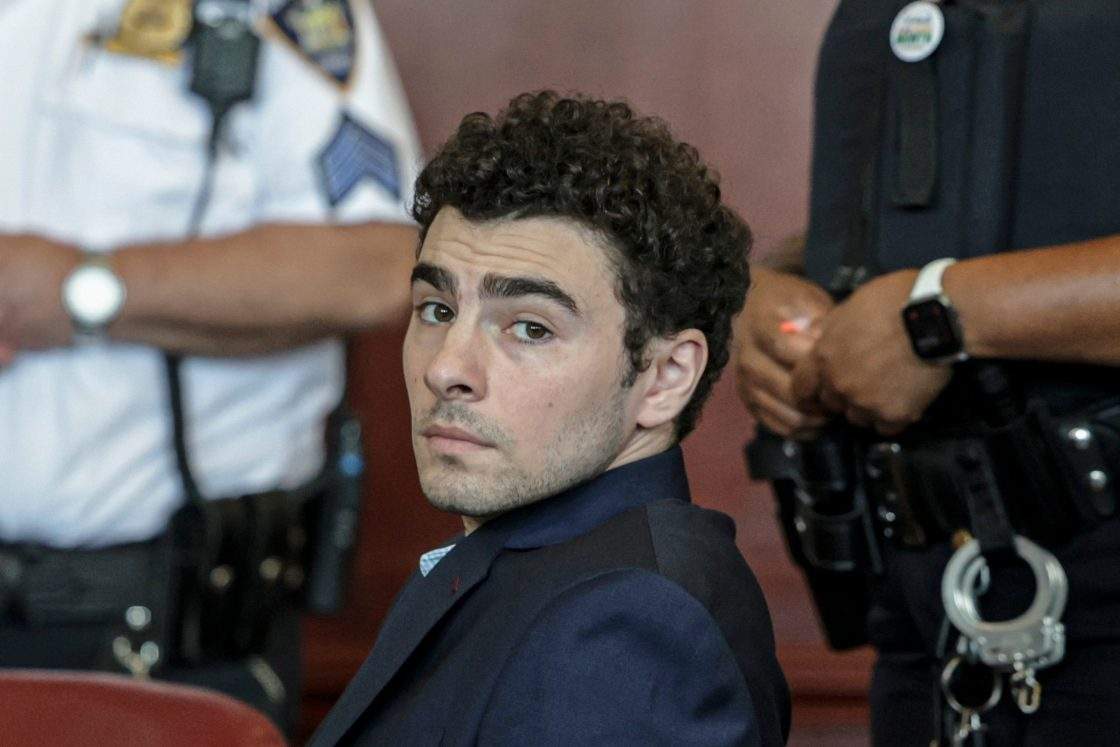
Luigi Mangione is shifting his legal strategy. The 28-year-old Ivy League graduate accused of gunning down UnitedHealthcare CEO Brian Thompson in December 2024 plans to mount a psychiatric defense in his upcoming New York state trial.
Manhattan Criminal Court Judge Gregory Carro made the strategy public on June 17, 2026, unsealing records that show Mangione's defense team will argue he was suffering from an "extreme emotional disturbance" when the shooting occurred.
It is a high-stakes move. It changes the entire narrative of the trial, which is scheduled to begin on September 8, 2026. By choosing this path, Mangione is essentially dropping the argument over who pulled the trigger.
The Core of the Strategy
An extreme emotional disturbance defense is not an insanity defense. That is the first thing people get wrong.
An insanity defense asks a jury for complete acquittal, leading to a psychiatric facility instead of a prison cell. This strategy does not do that. Instead, it serves as an affirmative defense designed to reduce a second-degree murder charge to manslaughter.
If the defense succeeds, Mangione avoids a maximum life sentence. Under New York law, first-time manslaughter offenders face a maximum of 25 years.
Legal expert Richard Schoenstein points out that this shift pivots the courtroom battle from "who did it" to "why they did it." The defense team, led by attorney Karen Friedman Agnifilo, is conceding the physical evidence. They have to. The prosecution has a 3D-printed pistol matching the murder weapon and a notebook recovered from Mangione's backpack detailing a desire to target health insurance executives. Fighting the identity of the shooter was a losing battle.
The Clash Between State and Federal Court
The most immediate problem for Mangione is that he faces two separate trials.
While the New York state trial addresses the murder charges, a federal trial involving interstate stalking charges is set to begin just a month later on October 13, 2026. This dual timeline creates a massive tactical headache for his legal team.
The extreme emotional disturbance defense exists under New York state law, but it is not available in federal court. Friedman Agnifilo argued aggressively against unsealing the psychiatric defense records, claiming that exposing the specific "mental defect" or malady to the public would severely prejudice his federal case.
Judge Carro rejected that argument. He ordered the defense to immediately hand over their medical expert reports to prosecutors, stating that the state needs to know exactly what psychological condition allegedly triggered the emotional disturbance.
What the Prosecution Must Prove
The state has been waiting 18 months to bring this case to trial. Prosecutor Joel Seidemann expressed frustration in court over what he described as defense delays, noting that the victim's family deserves resolution.
The prosecution enters the courtroom with significant evidence:
- Labeled ammunition recovered at the scene with the words "delay," "deny," and "depose."
- A manifesto-style notebook slamming the "greed-fueled health insurance cartel."
- Surveillance footage showing a masked gunman shooting Thompson from behind outside a Midtown Manhattan hotel.
The state will likely use these exact elements to fight the psychiatric defense. They will argue that the meticulous planning, the 3D-printed firearm, the coded ammunition, and the subsequent flight to Pennsylvania show calculation, not a sudden, overwhelming loss of self-control.
Judge Carro also handed the prosecution a minor procedural victory by dismissing a single count of criminal possession of a weapon. This count related to a high-capacity magazine that the court had previously ruled inadmissible due to an illegal search of Mangione's backpack by Pennsylvania police. While the defense won the suppression of that specific magazine, the gun itself and the notebook remain fully admissible.
The Road to September
The trial will test the limits of how juries view mental health under intense public scrutiny. The killing of Thompson tapped into widespread anger regarding the American healthcare system, turning the case into a cultural lightning rod.
Between now and the September 8 trial date, the immediate next steps belong to the medical experts. Defense psychologists must finalize their evaluations to define the precise mental malady that allegedly broke Mangione's emotional control. State prosecutors will then deploy their own psychiatric experts to counter those findings before jury selection begins.