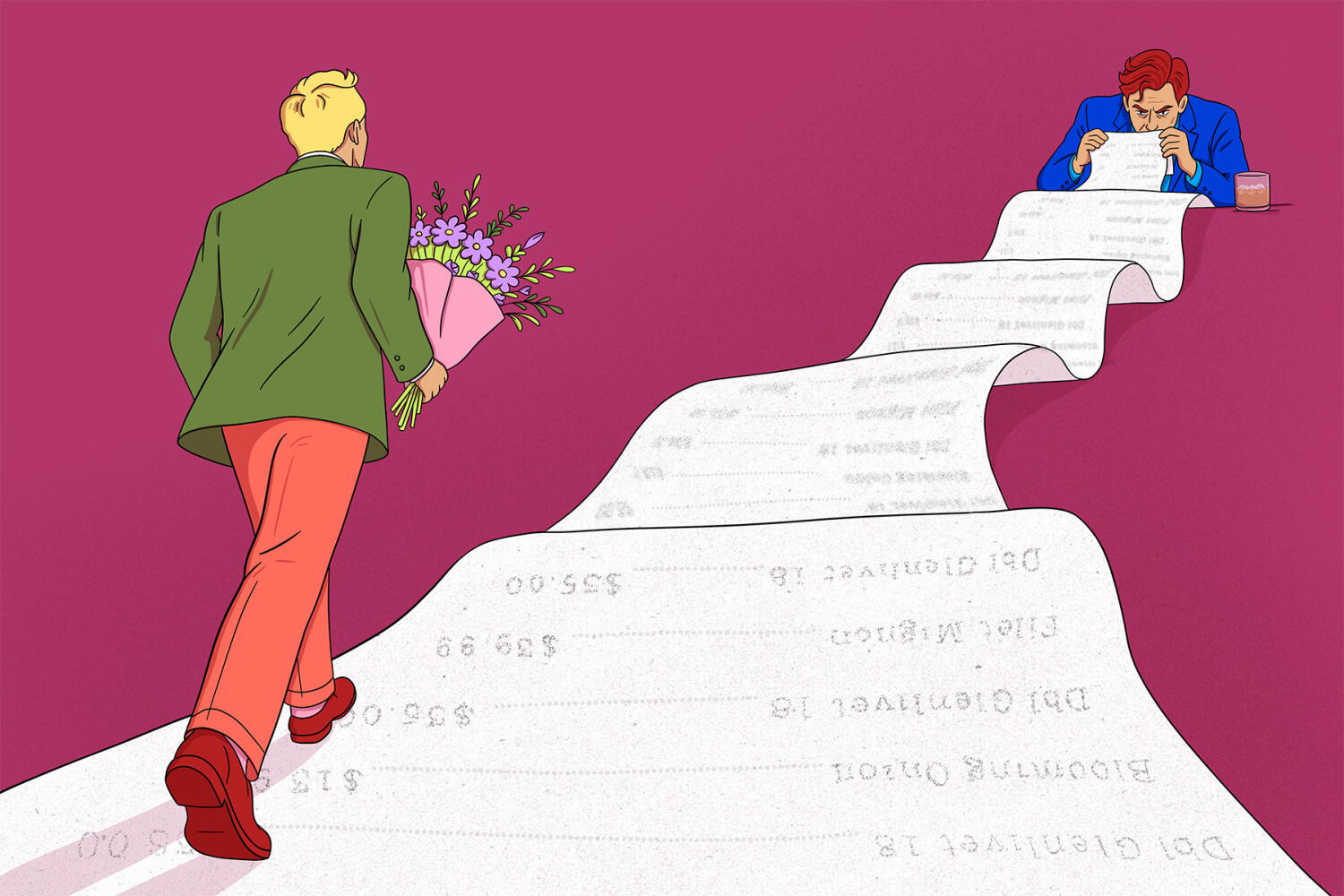
"Here’s what we’re already loving."
Read that phrase ten times and you will understand everything wrong with modern consumer media. When brands like Kindle, Away, Ninja, and Hoka drop new gear, breathless roundups line up to crown winners before a single unit survives a rainy Tuesday, a cramped overhead bin, or a three-hundred-mile training block. Instant enthusiasm is cheap. It sells affiliate links. It flatters PR teams. It tells you almost nothing about whether a product actually earns a permanent spot in your life.
The lazy consensus says new releases equal progress. Bigger screens, lighter shells, faster blades, thicker foam. Every launch gets framed as an upgrade over whatever sat in your closet or kitchen cabinet six months ago. That framing is a trap built for people who mistake novelty for competence.
I have watched smart operators and sharp consumers alike burn thousands of dollars chasing "the new one" across consumer hardware, travel gear, kitchen appliances, and performance footwear. The pattern is always the same. A brand tweaks a bezel, adds a pocket, or boosts midsole stack height by four millimeters, and suddenly last year's perfectly functional tool feels like an antique.
Let's strip away the launch-day hype and look at what is actually happening when Kindle, Away, Ninja, and Hoka roll out fresh inventory.
The Launch Hype Trap Across Lifestyle Gear
Start with the premise behind most "new drop" coverage. Readers usually type queries like Are new Kindle models worth upgrading, Is the latest Away suitcase better, Which new Ninja appliance is actually worth it, or Should I buy the newest Hoka running shoes into a search bar expecting a neat scorecard.
Those questions start from the wrong baseline. They assume the calendar is a valid reason to spend money.
In consumer product design, incremental iteration means making small, measurable adjustments to an existing platform to lower manufacturing costs, refresh shelf appeal, or address narrow complaints without rebuilding the core architecture. Planned obsolescence, by contrast, is a business model or product cadence that pushes buyers to replace working goods prematurely through aesthetic shifts, minor feature shuffling, or artificial scarcity. You do not need a conspiracy to see how seasonal drops exploit the gap between those two concepts.
Think about e-readers. An e-ink display does one primary job: render text with low eye strain and long battery life in varied lighting. Once contrast, front-lighting warmth, and page-turn responsiveness clear a high bar, marginal tweaks to speed or color warmth rarely transform how deeply you read. Buying a new Kindle because a fresh color or slightly slimmer profile arrived often solves a non-problem while leaving your reading habits untouched.
Luggage follows a similar script. A carry-on suitcase has to survive baggage handlers, cobblestones, tight overhead bins, and zipper stress. New finishes, modular add-ons, or tweaked handle tolerances look sharp in studio lighting. Real-world durability shows up years later when a wheel housing takes a hard curb hit or a telescoping handle jams on a sprint to Gate B14.
Countertop appliances and running shoes face even sharper physics. A blender or air fryer lives or dies by motor torque, thermal management, cleaning friction, and whether you actually use it past week three. Running shoes live or die by how foam geometry and outsole rubber hold up to repetitive impact over hundreds of miles—not how exciting the colorways look on launch morning.
| Category | What Launch Coverage Celebrates | What Actually Determines Value |
|---|---|---|
| E-Readers (Kindle) | Fresh hardware releases, sleeker form factors, minor display tweaks | Low-glare readability, battery reliability, and whether you finish books |
| Travel Gear (Away) | New seasonal colors, clever interior compartments, launch buzz | Wheel/handle resilience, weight limits, and real trip mileage |
| Kitchen Gear (Ninja) | Multi-function promises, fresh countertop models, instant reviews | Consistent output, easy cleanup, and sustained weekly use |
| Running Shoes (Hoka) | Max-cushion updates, new silhouettes, hype around fresh drops | Fit consistency, midsole longevity, and injury-free miles |
What Real Product Value Looks Like Past Day One
Serious product thinkers have pointed out for decades that value in physical goods is proven over time, not at the unboxing. Dieter Rams argued that good design is as little design as possible and endures for years rather than appearing fashionable for a season. Clayton Christensen's work on the "Jobs to Be Done" framework reminds us that people hire products to make progress in a specific situation—and they fire bad ones the moment friction outweighs convenience.
When you judge a new Kindle, Away, Ninja, or Hoka release through that lens, the questions get much sharper.
- Does it remove real friction, or just add shiny complexity? A feature you never touch is dead weight.
- How does it age? Scratches, compressed foam, sticky latches, and clunky software updates tell the truth faster than any press release.
- What is the true cost per use? A $250 pair of shoes worn for 400 miles costs $0.625 per mile. A $250 gadget used four times before gathering dust costs $62.50 per session.
Imagine a scenario where you buy every "must-have" release across e-readers, luggage, kitchen tech, and running shoes for two straight years. By month twenty-four, you will likely own half-used gear, redundant backups, and empty bank statements—while still reaching for the two or three items that genuinely fit your daily rhythm.
Here is the honest downside to taking a contrarian, wait-and-see stance on new product drops. Sometimes a genuine leap does happen. A battery breakthrough hits, a problematic flaw gets fixed, or a shoe model finally clicks with your stride mechanics. When you wait, you risk missing early availability on a true winner or paying slightly more later if a popular colorway sells out.
That trade-off is real. Still, paying a small tax on occasional missed hype is vastly cheaper than paying a continuous tax on impulse upgrades.
How to Shop New Drops Without Getting Played
If you like following gear—and there is nothing wrong with enjoying sharp industrial design—stop treating launch days like emergencies. Treat them like raw data.
- Audit what you already own first. Before looking at a new Kindle, check how many books are sitting unread on your current device. Before eyeing a fresh Away bag, check if your current bag actually failed on a trip.
- Separate aesthetics from mechanics. Colorways, trim packages, and fresh marketing angles are designed to trigger desire. Look past them to materials, warranty terms, repairability, and core specs.
- Set a 30-to-90-day cooling-off rule. Let early adopters discover quirks, sizing oddities, durability hiccups, or software bugs. Real patterns emerge after the first wave of applause dies down.
- Match the tool to your actual routine. If you run three times a week on pavement, track mileage and replace worn shoes systematically rather than chasing every new Hoka drop out of FOMO. If you cook five nights a week, prioritize easy cleanup and sturdy build quality over gimmicky presets on a new Ninja unit.
- Buy on need or clear upgrade math. Replace gear when it breaks, wears out, or creates a genuine bottleneck you cannot solve otherwise.
The Verdict on Instant Enthusiasm
breathless roundups love telling you what they are "already loving" because love on day one requires zero accountability. Real evaluation starts months later, when the novelty fades and the gear has to earn its keep.
Keep your money until the product proves itself.