The desert wind does not remember poetry. It blows hot and fast across the asphalt of Flamingo Road, sweeping past neon ghosts and the hollow clatter of slot machines, carrying away the dust of a city built on the ephemeral. But some things refuse to blow away. Some echoes are heavy enough to anchor themselves in the concrete, waiting decades for an answer.
Decades. Think about the span of time. Children born the night a white Cadillac pulled up beside a BMW on a September night in 1996 are now raising children of their own. They pay mortgages. They vote. They have lived through entire technological revolutions, political upheavals, and shifts in the cultural tectonic plates. Yet, for a courtroom in Clark County, Nevada, time curled back on itself. The calendar read the present day, but the air smelled distinctly of 1996. It smelled of cassette tapes, oversized jerseys, unfiltered ambition, and a murder that the world watched happen in slow motion over thirty years. Learn more on a related topic: this related article.
Closing arguments in a high-stakes murder trial are rarely just about the law. They are storytelling sessions under fluorescent lights. They are battles for the soul of a narrative.
Picture the room. The air conditioning hums with a sterile, teeth-gritting chill. Fluorescent tubes cast a pale, unforgiving glare over mahogany tables stacked thick with decades-old transcripts, forensic photographs that have yellowed at the edges, and the ghosts of an entire era of American music sitting silently in the gallery. Attorneys pace the well of the court. Their voices rise and fall, cadence echoing against wood-paneled walls. They speak of ballistics, of gang affiliations on the West Coast, of a fateful night after a Mike Tyson boxing match at the MGM Grand. Additional reporting by Associated Press delves into comparable views on the subject.
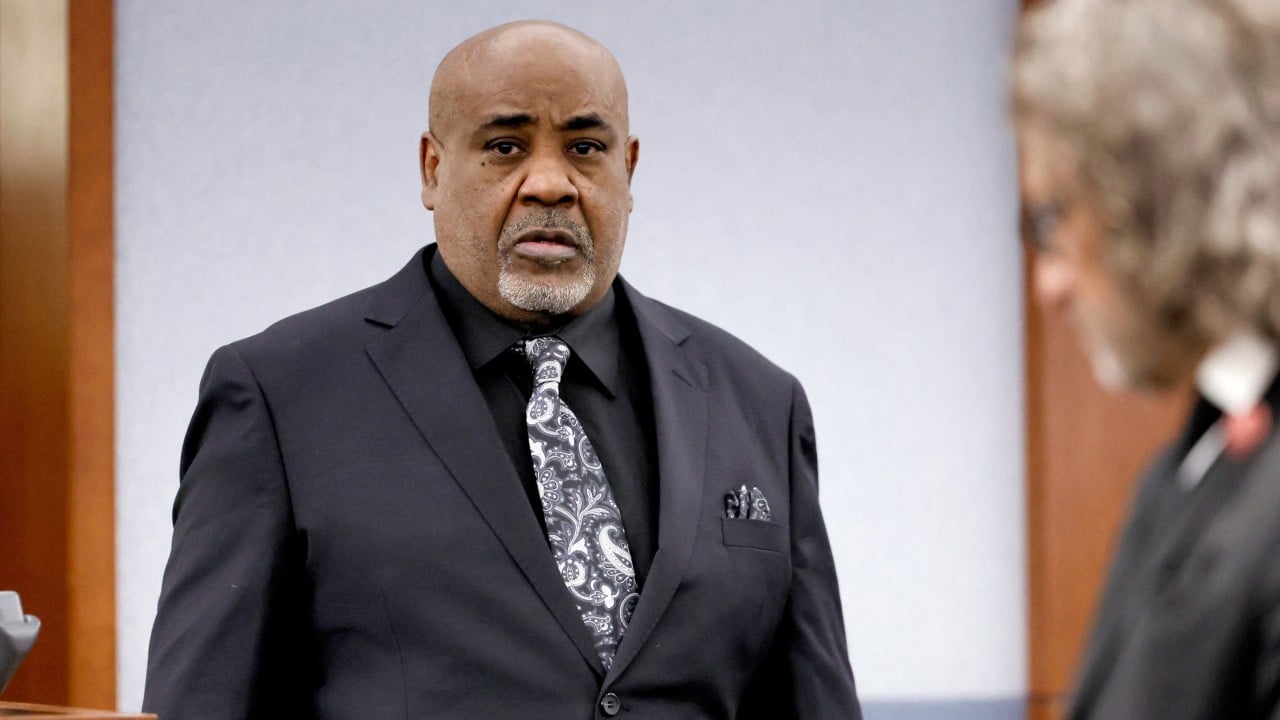
They speak of Duane Keith Davis.
To understand why this courtroom matters now, you have to strip away the mythos of Tupac Shakur. You have to stop seeing the bandana, the poetry books, the piercing glare that stared off thousands of bedroom walls, and the bronze statues that would later be cast in his honor. You have to look at him simply as a twenty-five-year-old kid who made a fatal mistake in a casino lobby, stepping into a confrontation that set a lethal domino effect in motion.
The prosecution stands before the jury and traces the lines of conspiracy. They paint a picture of retaliation, of a perceived slight avenged in the dark. They lay out the testimony of informants, the whispered confessions caught on tape years after the fact, the boastful admissions made on podcasts and in police interviews where the speaker thought the statute of limitations was an unbreakable shield.
The defense pushes back, pulling at the frayed threads of memory. Thirty years is a lifetime for human recollection. Memories warp. Witnesses pass away. Confessions made for the sake of street clout or financial gain in a true-crime economy lose their legal integrity under the harsh scrutiny of a court of law. How do you prosecute a ghost story? How do you prove intent when the primary victim cannot speak, and the man accused of pulling the trigger inside that white Cadillac, Orlando Anderson, died in an unrelated gang shootout just two years after the Las Vegas shooting?
This is where the law collides with human longing.
We crave closure. It is a biological imperative. When a story ends abruptly, violently, and without a neat resolution, our brains itch for a final chapter. For nearly three decades, the murder of Tupac Shakur has been an open wound in the cultural consciousness. Conspiracy theories filled the vacuum left by police inaction. Every grainy photograph of a man who looked vaguely like him in Cuba was a desperate attempt by a grieving public to rewrite an intolerable reality. He couldn't just be gone. Not like that. Not at the peak of his creative fury, with the entire world watching.
Yet, here is the stark, unromantic truth delivered by the closing arguments. Justice is not cinematic. It does not arrive with a soaring orchestral score or a neat resolution wrapped in poetic justice. It arrives slowly, clumsily, decades too late, carried on the backs of aging detectives, tired prosecutors, and jurors who would rather be anywhere else than trapped in a room dissecting the darkest night of a pop culture icon's life.
As the lawyers deliver their final pleas, the weight in the room shifts. The prosecutors remind the jury of the human cost. They point out that no matter how famous, how brilliant, or how complicated Tupac was, he was someone's son. He was a human being whose heart stopped beating on a Friday night in a sterile hospital room, surrounded by monitors and weeping friends. They argue that accountability matters, even if it arrives on a walker, even if the wheels of justice turn so slowly that they nearly grind themselves to dust.
The defense counters with the shadow of reasonable doubt. They remind the jury that a conviction requires more than cultural consensus, more than a compelling documentary series, more than the heavy burden of a legendary legacy. It requires proof beyond a reasonable doubt. And in a case this old, doubt is as common as the desert sand.
The jury listens. They take notes. They look at the faces of the attorneys, then down at their pads, carrying the immense psychological baggage of a generation's unsolved grief. They are asked to step outside of the music, outside of the myth, outside of the historical significance, and look purely at the mechanics of a crime committed in the neon blur of a Vegas night.
When the last lawyer sits down, the silence in the courtroom is absolute.
Outside, the sun beats down on the Las Vegas strip. Tourists stream past the casinos, snapping photos, chasing their own brief moments of excitement, completely unaware of the historical reckoning happening just blocks away in a quiet government building. Life moves with ruthless indifference to the past. The music plays in passing cars, bass rattling windows, keeping a dead man's voice alive on the airwaves.
Inside, the jury retires to deliberate. They take with them the closing arguments, the decades of pain, the tangled web of street politics, and the enduring mystery of a September night that changed the trajectory of modern culture forever.
The verdict, when it comes, will not resurrect a legend. It will not bring back the albums that were never recorded, the films never made, the quiet years of maturity never lived. But as the door closes behind the jurors, one reality remains glaringly clear. We can bury our icons, we can turn them into bronze, we can analyze their words and replay their art until the tapes wear thin. But history has a long memory. And eventually, every ghost has to come home to answer for the dark.


