Imagine standing at the center of a dense forest, looking down at a handful of ordinary earth. Millions of microscopic organisms shift beneath your fingers. Most of them are utterly indifferent to human existence. But a select few possess an ancient, specialized hunger.
For decades, modern medicine treated cancer with brute force. We burned malignant cells with radiation. We flooded bodies with toxic chemicals that punished healthy tissue just to reach the rogue cells hiding underneath. The war on cancer often felt like trying to fix a Swiss watch with a sledgehammer.
Patients know the weight of this collateral damage all too well. The exhaustion, the quiet dread of waiting for scan results, the feeling that the cure is almost as heavy a burden as the disease itself. We have looked to chemistry, to mechanics, and to software to turn the tide.
Yet the most elegant solution might have been waiting beneath our feet all along.
Consider a microscopic organism called Clostridium sporogenes
The Trojan Horse Inside Our Cells
health, technology
Cancer is a quiet thief. It does not break doors down with a crash. It enters through the back window, whispers to your own DNA, and convinces your body to build a fortress for the enemy using your own bricks.
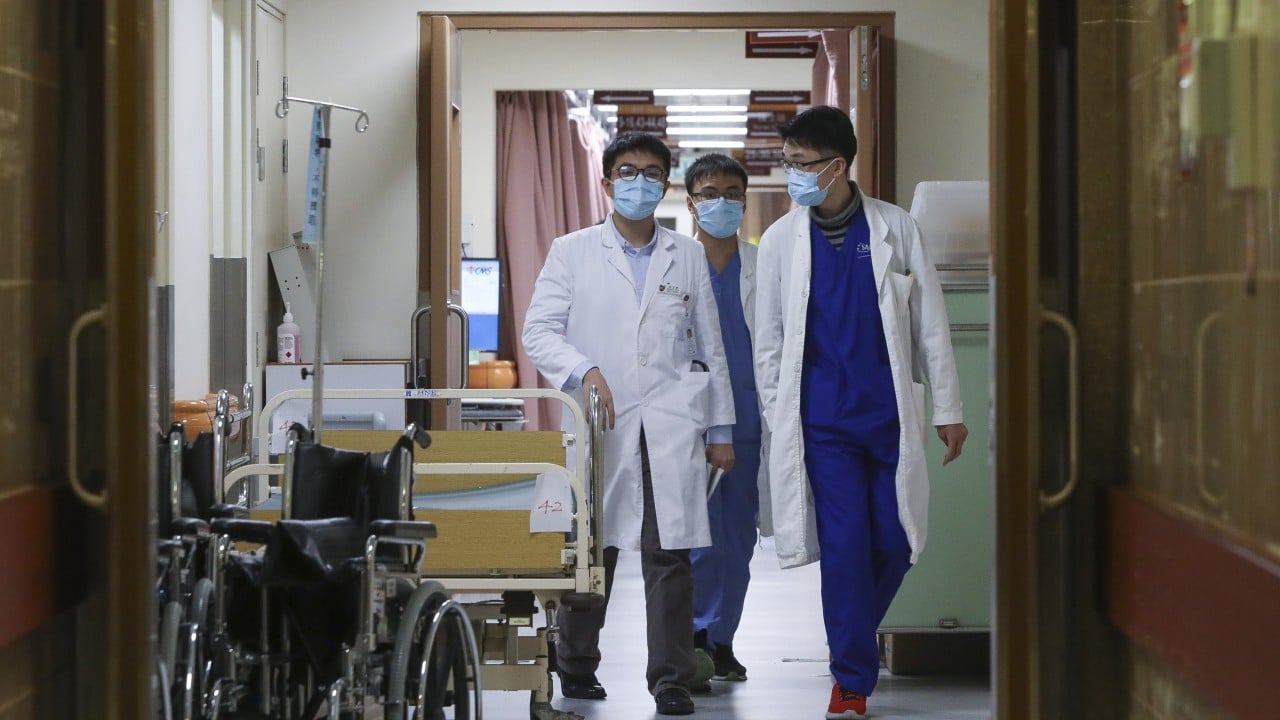
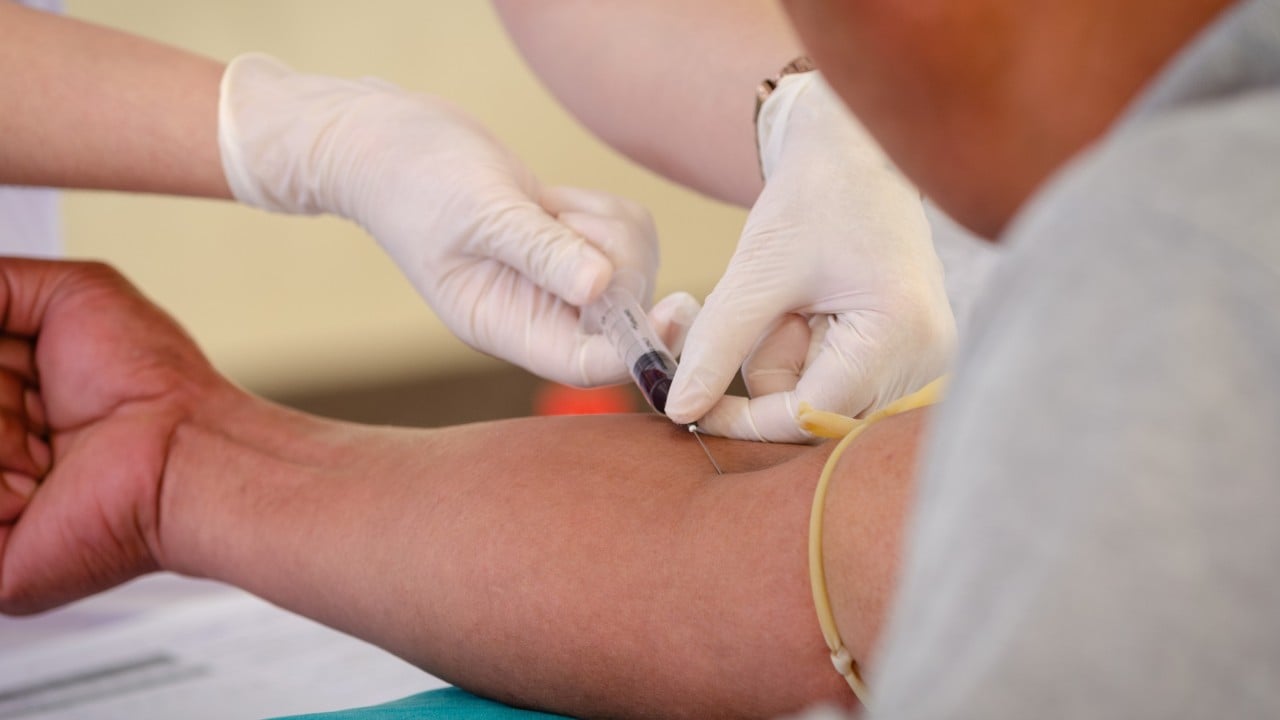
For decades, modern medicine fought this thief with a sledgehammer. We called it chemotherapy. We called it radiation. We poisoned the soil to kill the weeds, and in doing so, we poisoned the garden. I sat in a sterile white room three years ago, watching a drop of dark fluid slide down a clear plastic tube into my friend's arm. Her hair was already gone. Her skin had taken on the translucent, bruised quality of a winter leaf. She looked at me, her eyes dry and hollow, and whispered a question that haunts me still: "Why are we burning the whole house down just to catch one rat?"
She was right. The brute-force era of oncology is a blunt instrument. Tumors are clever. They hide behind biochemical cloaks, mimicking healthy tissue, turning our immune systems into blind guards who wave them through the gate.
But science has a habit of changing its mind when the walls close in.
Look closer at the microscopic battlefield. Across sterile laboratories, researchers are no longer trying to invent stronger poisons. Instead, they are turning to nature’s oldest scavengers. They are building tumour eating bacteria.
To understand why this changes everything, you have to throw out what you think you know about bacteria. We are conditioned to fear them. We wash our hands, pop antibiotics, and sanitize our counters to keep the microscopic world at bay. Yet, certain bacterial strains possess a terrifying, beautiful trait: they are drawn to chaos.
Specifically, they are drawn to hypoxia.
Inside the center of a rapidly growing solid tumor, blood vessels stretch thin and snap. Oxygen starves. The tissue dies, rotting quietly away from the inside out. To a healthy cell, this zone is a wasteland. To facultative anaerobic bacteria, it is paradise. Strains like modified E. coli or Salmonella sniff out this oxygen-depleted graveyard. They swim toward the rot.
They do not just find the tumor. They colonize it.
Imagine dropping a microscopic Trojan horse into the heart of the enemy city. For years, scientists struggled with a paradox: how do you get these living medicines to stay put? If you inject them raw, the immune system mounts a furious defense, sweeping them from the bloodstream before they can even pack their bags.
The breakthrough came when bioengineers stopped fighting biology and started coding it. They wrapped these bacterial cells in smart polymers—shield armor that dissolves only when it detects the unique chemical signature of a tumor microenvironment.
Consider what happens next. The armor melts away. The bacteria wake up. They multiply inside the malignant mass, surging through the core, completely ignoring the healthy organs humming along a few millimeters away. They gorge on the dead tissue. They devour the cancer cells from within, chewing through membranes, disrupting cellular machinery, and effectively hollowing out the tumor until it is nothing more than an empty husk.
Even more remarkable is the secondary wave. Once the bacteria settle into their new home, scientists can program them to act as microscopic pharmaceutical factories. As they eat, they release therapeutic payloads directly into the tumor bed. Checkpoint inhibitors. Cytokines. Signals that scream to the body's dormant T-cells: Look here. The wall has fallen. Attack.
It sounds like science fiction. It reads like a cyberpunk thriller written by an optimist. But the petri dishes do not care about our disbelief.
When I first read the preliminary data on these engineered microbial hunters, my mind raced back to that hospital room. I thought of the endless nausea, the bone-deep fatigue, the heartbreaking moments where modern medicine felt less like a cure and more like a slow-motion car crash.
If this technology matures—and the current preclinical trials suggest it is sprinting toward human application—the paradigm of cancer treatment will fracture. We will move away from systemic destruction and toward localized subversion. We will send tiny, living armies into the dark corners of the body, trusting evolution to finish a job we were never sharp enough to do with chemicals alone.
The thief is still out there, hiding in the shadows of human biology. But the locks are changing.
And somewhere in the quiet labs of the world, a new kind of sentinel is waking up, hungry, patient, and waiting for the signal to hunt.