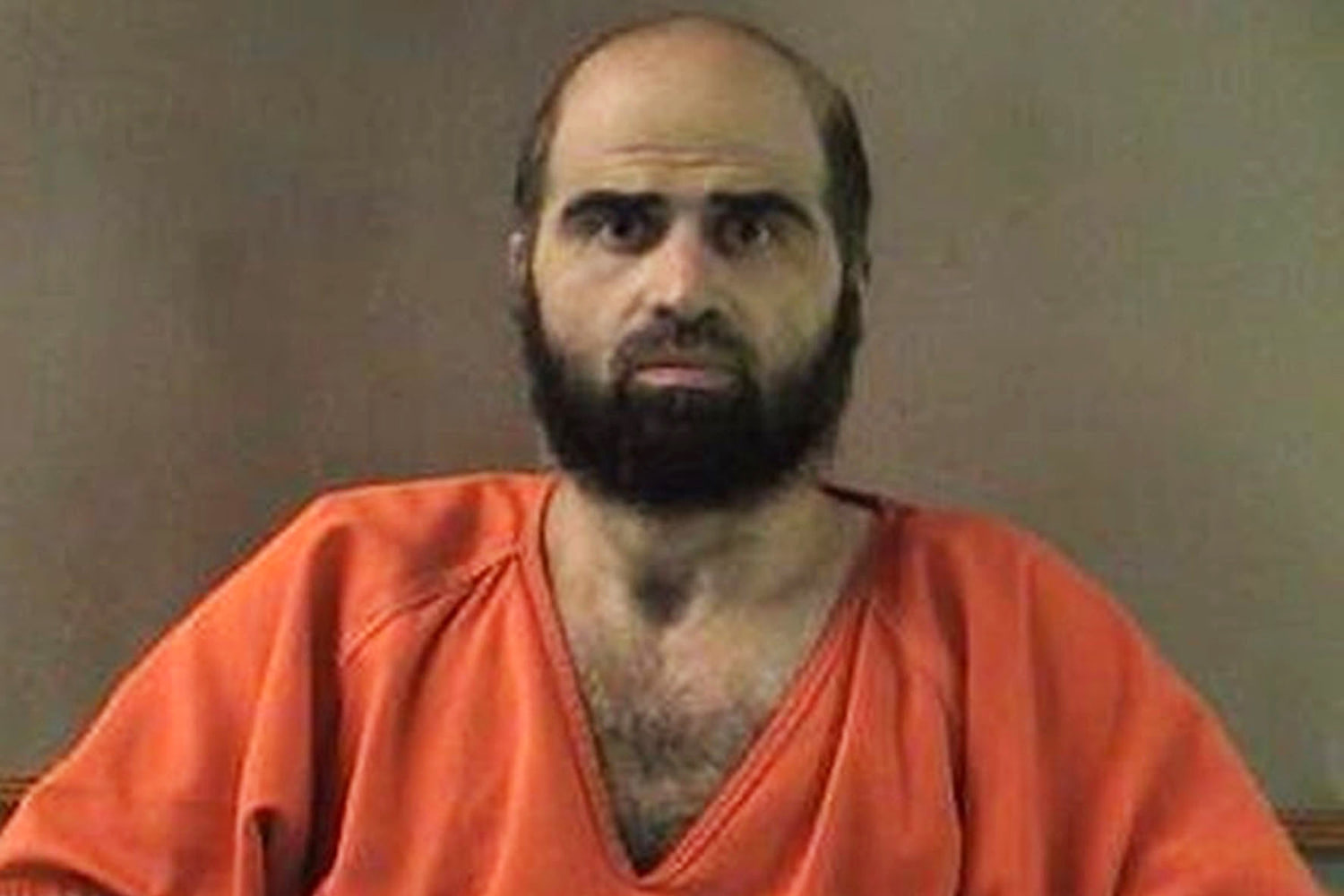
We love our spectacles. Give the mob a stage, a countdown timer, and a camera angle, and we will happily pull up a chair with a bowl of popcorn. When reports surfaced that the Pentagon was considering a livestream for the execution of the Fort Hood shooter, the outrage machine whirred into motion instantly. Liberals cried out about human rights and the barbarism of the state. Conservatives cheered for maximum visibility, demanding accountability broadcast in high definition straight to every smartphone screen.
Both sides missed the point entirely.
The debate is not about whether a mass murderer deserves an audience. The debate is about what happens to a society when it commodifies state-sanctioned death for clicks, ratings, and digital outrage metrics. We have traded the solemn gravity of the rule of law for the dopamine hit of a true crime documentary.
The Illusion of Transparency
The standard argument for public execution is transparency. Sunlight is the best disinfectant, right? If the government is going to take a life, the citizens funding that government have a right to watch it happen.
That logic belongs in the eighteenth century. We do not live in an era of town squares and public gallows where attendance forces a community to confront the brutal reality of its own laws. We live in an algorithm-driven attention economy where a livestreamed execution would not be viewed as solemn civic duty. It would be clipped, memed, reacted to by teenagers on TikTok, and monetized by YouTube channels before the body was cold.
When you turn capital punishment into content, you strip it of its weight. You do not increase transparency; you obscure the actual mechanism behind a wall of sensationalism. The broadcast booth replaces the witness room. Producers replace magistrates.
I have sat through enough institutional oversight hearings and watched public relations offices spin high-stakes legal procedures into PR wins to know one immutable truth: cameras do not keep power honest. Cameras perform for the audience watching them. The moment you introduce a live broadcast feed to an execution chamber, the primary audience ceases to be the judicial system and becomes the concurrent viewer count in the top right corner of the screen.
The Entertainment Industrial Complex Claims Another Victim
Imagine a scenario where the feed goes live. Millions log on. Comment sections scroll past at terminal velocity with flame wars erupting over lethal injection protocols versus firing squads. Sponsors pull out. Platforms struggle with content moderation guidelines because showing state-sanctioned homicide violates terms of service, yet an exception is carved out for federal jurisdiction.
It is grotesque.
Capital punishment in a democratic republic is supposed to be a tragic necessity, an admission of institutional failure, or the ultimate penalty levied with heavy hearts and procedural exhaustion. It is meant to be boring. It is meant to be heavily documented in paperwork, transcripts, and court filings—not packaged like a pay-per-view prize fight.
When you stream an execution, you satisfy a bloodlust, not a legal mandate. You tell the public that justice is a spectator sport. And once you cross that line, you cannot uncross it. Today it is a military mass shooter. Tomorrow it is a high-profile civilian case. Soon, networks are bidding for exclusive broadcast rights to death row.
The Real Question We Refuse to Ask
People love to ask whether the death penalty is an effective deterrent or whether it costs more than life imprisonment. Those are stale, academic arguments designed to let comfortable people argue in circles while nothing changes.
The real question nobody wants to answer is this: Why do we crave the show?
The demand for a livestreamed execution does not stem from a desire for justice or closure for the victims' families. It stems from the rot at the center of our digital culture. We are so detached from consequence that we need to see blood on a screen to feel anything at all. We treat real-world horrors like interactive cinema, rating the performances of executioners and defendants alike.
If you want accountability, demand better military mental health screening long before a soldier snaps and opens fire on his own base. Demand reform in a bureaucracy that leaves troubled service members to slip through the cracks until they commit atrocities. Do not demand a front-row seat to the final, bloody punctuation mark of a broken system just so you can tweet about it during your lunch break.
Stop asking for better camera angles on our collective failures. Fix the failure before the cameras even have to roll.