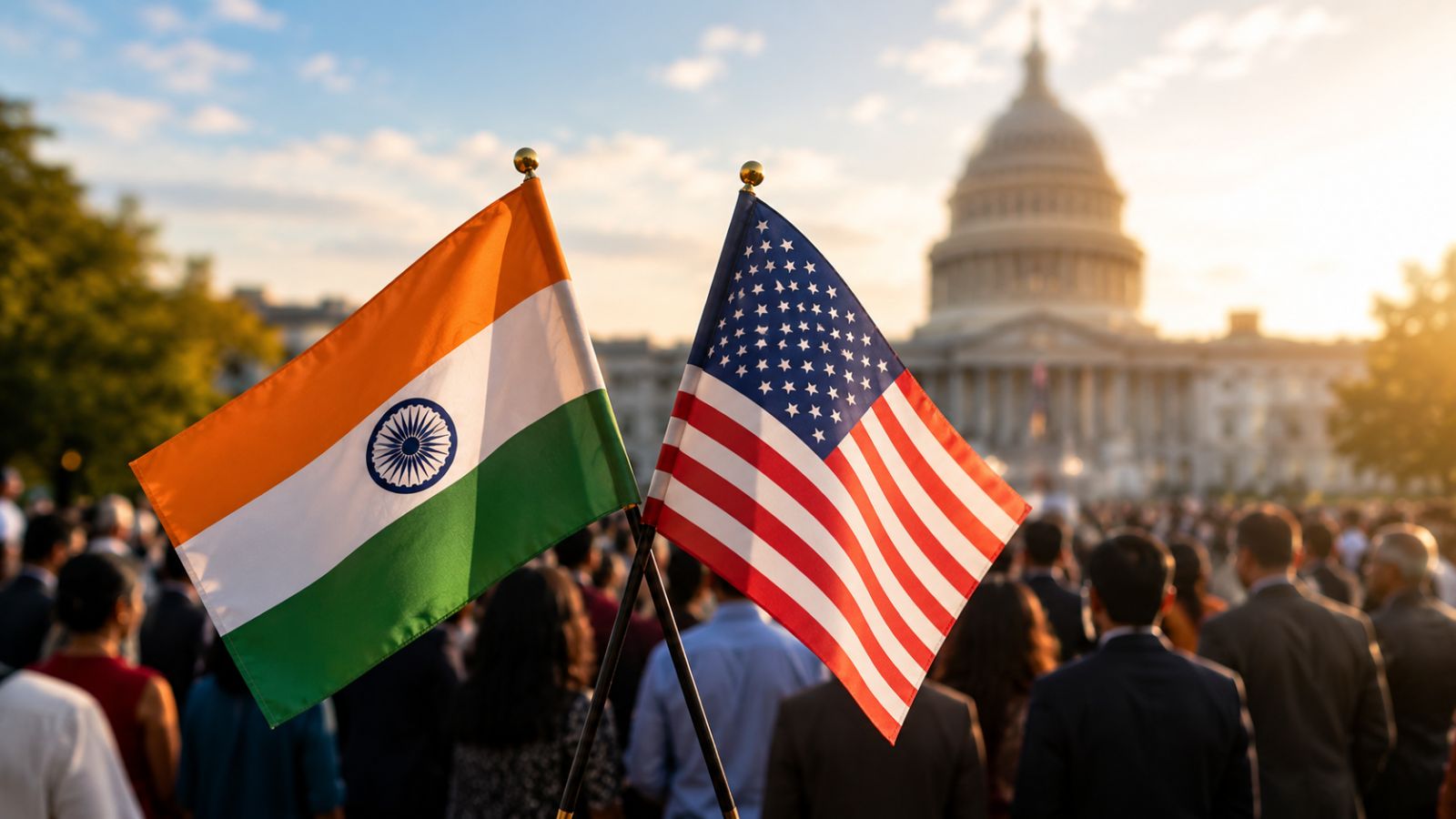
When Washington drafts a major piece of economic legislation targeting foreign energy trade, New Delhi pays immediate attention. The passage of the Lindsey O. Graham Sanctioning Russia and Iran Act of 2026 sent a sudden chill through global markets. For months, the central question for Indian refiners and policymakers has been straightforward: how long can discounted Russian crude keep flowing without triggering harsh American retaliation?
The legislation, signed into law in September 2026, provides the White House with aggressive new authorities to penalize the world's top buyers of Russian energy. India sits right in the crosshairs as the second-largest importer of Russian crude. Yet, looking past the initial panic reveals a more nuanced reality involving executive waivers, diplomatic bargaining, and the complex architecture of modern energy security.
The Mechanics of the Act and What It Threatens
The legislation codifies existing restrictions and introduces secondary tariff frameworks designed to squeeze Moscow's war chest. Specifically, the framework targets countries that rank among the top five importers of Russian crude oil or natural gas and continue making new purchases.
If fully implemented, the penalties involve severe secondary tariffs on all exports from offender nations into the United States market. For India, whose export-driven sectors rely heavily on access to American consumers, the threat of secondary duties creates a massive compliance headache. Refiners like Reliance Industries and Nayara Energy have spent years optimizing their margins around discounted Urals crude, transforming Russian barrels into refined products distributed across Europe and domestic markets.
Lawmakers in Washington framed the bill as a necessary tool to close loopholes in the G7 price-cap regime. But trade analysts know that turning economic weapons against friendly democracies like India carries heavy diplomatic costs.
Why the Immediate Threat is Dormant
Markets hate uncertainty, but the immediate impact of the legislation was tempered almost as soon as the ink dried. President Trump signed an executive order utilizing broad waiver authorities embedded within the statute to temporarily set aside the harshest sanctions and secondary tariffs against Russian energy.
Why the sudden reprieve? Global diesel shortages, driven heavily by ongoing disruptions in the Middle East and the 2026 Iran conflict, forced a pragmatic pivot. Cutting off Indian refiners who process and export crucial petroleum products to Western allies would have created an immediate price spike at American gas pumps.
This waiver means the legislation functions right now as a sword of Damocles rather than an active embargo. The White House retains the unilateral power to revoke these waivers whenever geopolitical leverage is required. For New Delhi, this creates a precarious game of chess. You cannot build long-term supply chain strategies on presidential waivers that can change with the political winds.
The Real Impact on US-India Ties
Bilateral relations between Washington and New Delhi are deep enough to weather economic turbulence, but energy policy remains a persistent friction point. American strategists want India fully aligned with Western containment policies against Moscow. Indian foreign policy, rooted in strategic autonomy, insists on buying energy from the cheapest available sources to feed a booming domestic economy of 1.4 billion people.
India's Ministry of External Affairs has consistently defended these purchases as a stabilizing factor for global oil markets. If India stopped buying Russian oil overnight, global crude prices would surge, benefiting Moscow through higher per-barrel revenues even on lower volumes. Indian negotiators have repeatedly communicated this economic reality to their American counterparts.
At the same time, New Delhi is quietly diversifying its crude basket. Refiners are locking up long-term supply contracts with Middle Eastern producers, Latin American suppliers, and American shale exporters to hedge against sudden shifts in Washington's enforcement posture.
Navigating the Road Ahead
If you run an import-export business or manage energy logistics touching both US and Indian markets, ignoring this legislation is a dangerous bet. The statutory framework remains on the books, meaning compliance audits and secondary risk assessments are here to stay.
Keep a close eye on the USTR's six-month recalculation windows for top energy importers. Monitor executive branch statements regarding waiver renewals. Most importantly, build operational flexibility into your supply contracts so you can pivot away from sanctioned corridors if political alignments shift overnight. Sourcing diversification isn't just a corporate buzzword anymore; it's the baseline requirement for surviving modern trade policy whiplash.


