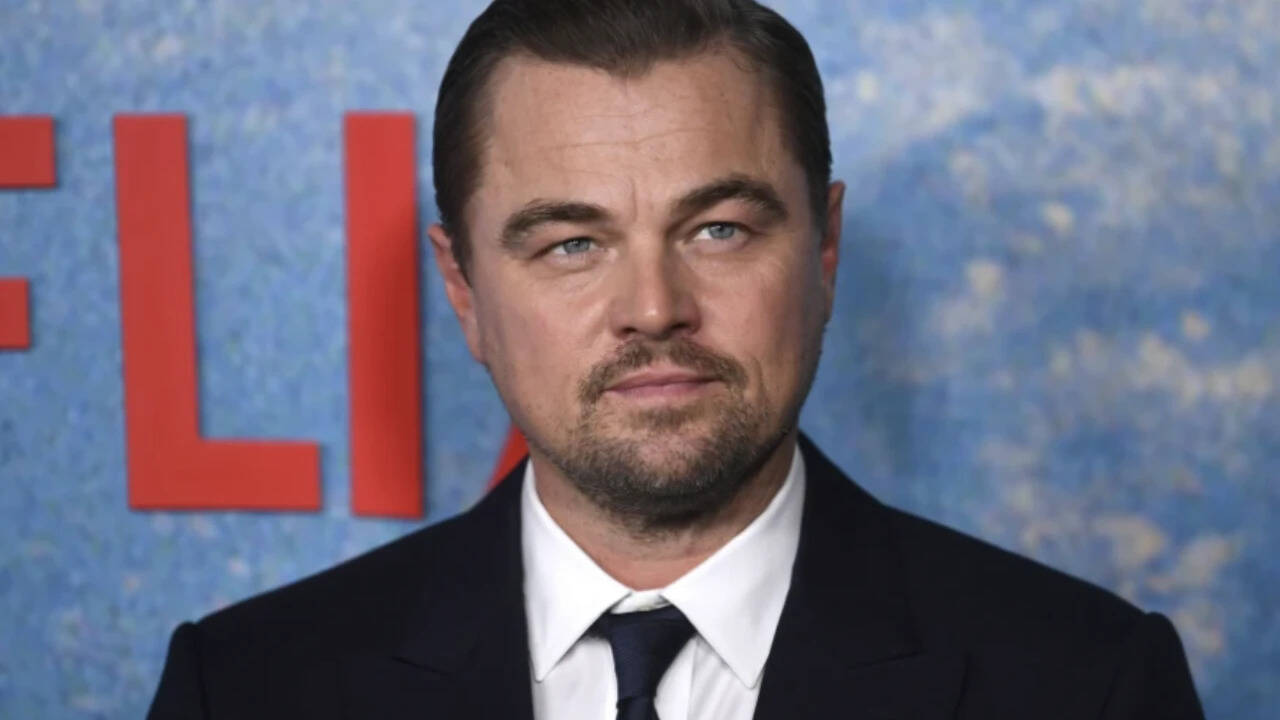
When a Hollywood actor drops a million dollars on a conservation project, media outlets usually treat it as a celebrity photo-op. But when the Leonardo DiCaprio Foundation handed over $1 million to back a sovereign debt swap in the Seychelles, it wasn't just a casual donation. It helped trigger a financial blueprint that permanently protected 410,000 square kilometers of ocean.
That is an area larger than Germany. And it changed how developing island nations handle national debt and marine conservation.
Breaking Down the Seychelles Debt Swap Mechanics
Most developing island nations face a brutal economic trap. They carry crushing national debts to foreign creditors, yet their economies depend entirely on fragile natural resources like fisheries and coastal tourism. When government budgets run dry, environmental protection is the first thing that gets cut.
The Nature Conservancy stepped in with an entirely different approach. They worked alongside the Seychelles government to design the world's first debt-for-nature swap focused strictly on climate adaptation and ocean conservation.
Instead of paying back strict foreign loans with high interest, a portion of the Seychelles' national debt was bought out at a discount through funds raised from philanthropic donors—including DiCaprio's foundation. In return, the Seychelles government redirected those repayments into local currency, flowing straight into a newly established trust known as the Seychelles' Conservation and Climate Adaptation Trust (SeyCCAT).
This mechanism solved two massive problems at once. It shaved down foreign sovereign debt while creating a steady, multi-decade funding stream for marine protection.
Where the Money Goes on the Water
Protecting 410,000 square kilometers of ocean sounds abstract until you look at how the territory was actually mapped out. The Seychelles government didn't just draw a massive circle around the islands and ban everyone from entering. They split the marine spatial plan into two distinct management zones.
Zone 1 consists of High Biodiversity Protection Areas, covering roughly half of the safeguarded space. These areas enforce strict limits on commercial activities. In places like the Aldabra Group—home to the world's second-largest raised coral atoll and over 100,000 rare giant tortoises—human interference is heavily restricted to protect endangered species like the western Indian Ocean dugong.
Zone 2 focuses on Medium Biodiversity Protection and Sustainable Use. Spanning over 217,000 square kilometers around the Amirantes Group and Mahé Plateau, this zone protects vital seagrass beds and tuna populations while letting local artisanal fishers and tourism operators keep working.
That balance is what keeps the project alive. If conservation hurts local livelihoods immediately, communities reject it. By letting sustainable fishing continue while weeding out illegal industrial overfishing, the plan protects both the ecosystem and the economy.
Why This Financial Model Matters Beyond the Indian Ocean
Traditional conservation relied entirely on charity grants or government foreign aid. Those funds dry up the second a global recession hits or political administrations change.
Debt swaps change the timeline. By restructuring sovereign debt into local conservation capital, nations gain financial resilience against rising sea levels, warming waters, and ocean acidification. They don't have to choose between paying off international lenders and saving their coral reefs. They can do both.
Leonardo DiCaprio's initial $1 million backing proved that philanthropic capital can act as vital risk insurance to unlock much larger institutional investments. It showed that creative financial engineering can achieve what decades of traditional environmental activism failed to accomplish.
Protecting the oceans requires more than good intentions and beach cleanups. It requires fixing the macroeconomic systems that force vulnerable nations to exploit their natural assets just to stay afloat. The Seychelles proved it is possible, and the rest of the coastline-dependent world is finally paying attention.