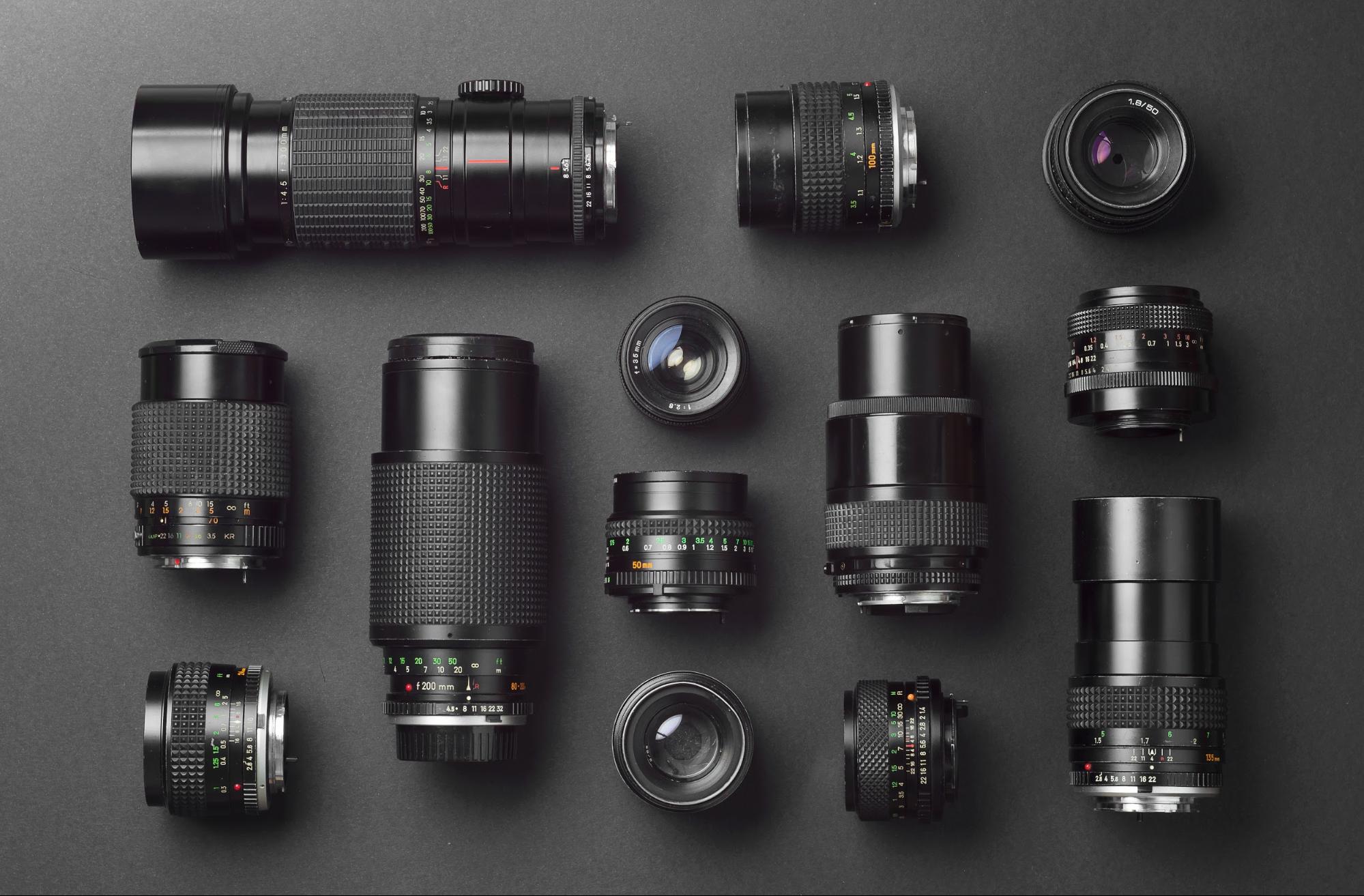
The camera is a shield that offers no protection. It is a piece of glass, a frame of magnesium, a battery, and a lens that collects light and turns it into evidence. To the person holding it in the rolling, ochre hills of the West Bank, it feels heavy. It feels like an anchor tethering them to a reality that others are desperately trying to erase.
Consider the dust. It settles everywhere. It coats the leaves of ancient olive trees near the villages of Beita and Qusra. It gets into the teeth. It dries the throat. And on a searing afternoon, it catches the sharp glint of an incoming blow. If you found value in this post, you might want to read: this related article.
An Agence France-Presse photographer was doing what journalists have done for decades in these contested valleys: watching. Documenting. Standing witness while the ordinary rhythm of life was violently interrupted. Then came the shouting. Then came the blows.
There is an arithmetic to violence in the occupied territories that rarely makes it into the thirty-second television broadcast. It begins long before the first stone is thrown or the first camera is smashed. It begins in the quiet tension of partitioned roads, where settlers and soldiers share an unspoken mandate of control, and where the presence of an independent lens is treated not as a professional hazard, but as a direct threat to the narrative. For another perspective on this story, see the recent update from The New York Times.
To understand what happened to that photographer, you have to understand the power of the frame.
A photograph does something terrifying to those who wish to act without accountability. It freezes time. It names names, even when the faces are half-hidden behind scarves or tactical gear. It assigns chronology to chaos. When a group of Israeli settlers descended upon the press crew—striking them, damaging their equipment, turning their collective anger toward the people whose only weapon was a telephoto lens—they were not merely reacting to a provocation. They were attempting to shatter the mirror.
Fear has a sound. It is the crunch of gravel under heavy boots. It is the sharp intake of breath when a heavy tripod is wrenched away and smashed against the stony ground.
For the photographer, the instinct is dual and contradictory. Every cell screams for self-preservation, urging retreat, urging flight. Yet the professional reflex—forged in training and hardened by repeated exposure to hostility—keeps the eye pressed to the rubber eyecup. Capture this, the mind whispers. Make sure someone sees.
That tension is the defining condition of modern journalism in conflict zones. You are simultaneously a target and a chronicler. You are human flesh bruised by wood and iron, yet you are expected to function as an impartial recording device.
The attack on the AFP photographer was not an isolated incident. It was part of a swelling tide of hostility directed at international and local media workers operating in the West Bank. Over the past year
The Lens Beneath the Boot
news
The camera is not a weapon. It is a shield made of glass and wire, hoisted onto a shoulder to catch the raw, bleeding edges of history before they slip away into the dark. But in the West Bank, that glass is heavy. And there are those who would rather shatter it than let the light pass through.
Consider the weight of the air in the hills near Nablus. It smells of dust, old stone, and the sharp, coppery scent of fear that precedes a stone being thrown or a trigger being pulled. In this landscape of quiet friction, a photographer stands apart. They are marked not by a uniform or a rifle, but by the black strap of a Nikon cutting across their chest and the heavy telephoto lens cradled in their palms. They are witnesses by trade, outsiders by necessity, and targets by proximity.
On a Tuesday that felt like every other Tuesday, an Agence France-Presse photographer found himself caught in the unpredictable theatre of West Bank violence. The clashes were familiar: young men hurling rocks, soldiers responding with steel and tear gas, the chaotic rhythm of escalation that has defined generations. The photographer did what journalists have done since the dawn of the medium. He raised the camera. He focused. He recorded.
Then came the darkness.
It did not arrive through the lens, but from behind. Israeli settlers, moving with the unbothered impunity of those who believe the ground beneath them bends to their will, closed the distance. There were no warnings. No polite requests to step back. Just the sudden, brutal impact of fists and boots. Equipment was smashed—the glass splintering into a thousand useless fragments, the memory cards containing the morning's truth violently intercepted or destroyed. The man behind the camera was beaten on the rocky earth while trying to document the very unrest that the world claims it wants to understand.
This was not a stray blow in the fog of war. It was a targeted silencing.
We must name what happens when the observer is attacked. It is an assault on the collective memory of humanity. Every time a journalist is beaten for recording a confrontation, a piece of our shared reality is chipped away. The attack on the AFP photographer in the West Bank is part of a widening chasm where truth is treated as an insurgent threat. When settlers take it upon themselves to police the eyes of the world, they are not merely defending territory; they are constructing a narrative bubble where accountability is barred entry.
Think of what it takes to stand in that space. To wake up, lace heavy boots, sling a camera over your collarbone, and walk directly into a riot knowing that your presence infuriates both sides. To the stone-throwers, you might be an unwelcome witness or a spy. To the armed forces, you are a nuisance in the line of fire. But to the extremist elements operating in the shadows of the settlements, you are an existential danger because your shutter click freezes their actions in amber.
The physical injuries heal. The bruises fade to yellow, then green, then disappear beneath the skin. But the camera does not grow back. The footage is lost. And with every destroyed frame, the fog of conflict thickens just a little bit more.
We live in an era obsessed with documentation, where every minor grievance is streamed, recorded, and hyper-analyzed from the safety of distant couches. Yet in the places where history is actually being forged in blood and concrete, the act of seeing has become remarkably dangerous. The West Bank has long been a crucible of competing narratives, but when the violence turns inward against those whose only job is to look, the conflict enters a darker phase. It becomes a war on witnessing itself.
The sun went down over the hills that evening, casting long, bruised shadows across the olive groves and the razor wire. Somewhere in a local clinic, a photographer iced a swelling jaw and surveyed the ruined metal and glass of his trade. The stories of that day would still leak out—a fractured sentence here, a shaky smartphone video there—but the professional, unflinching eye had been temporarily blinded.
That is the true objective of the blow delivered in the dust. Not just to hurt a man, but to make the next man think twice before raising his lens.
The silence that follows a broken camera is deafening. It echoes in the empty spaces where a photograph should have been, leaving room for denial, for propaganda, and for the quiet erasure of human suffering. We ignore that silence at our own peril, because the moment we stop protecting the people who look into the dark, we are doomed to stumble blindly through it ourselves.


