The fragile ceasefire didn't even last a week. Just days after US President Donald Trump announced that a 60-day extension on the truce with Iran was practically a done deal, the Middle East woke up to another round of tit-for-tat violence.
The newest escalation kicked off when US Central Command forces shot down four Iranian one-way attack drones operating near the Strait of Hormuz. According to US officials, American forces then took out a ground control station on the outskirts of Bandar Abbas Airport that was actively prepping a fifth drone for launch. Washington claims its move was purely defensive.
Tehran didn't care about that definition. Less than two hours later, the Islamic Revolutionary Guard Corps fired aerial projectiles at an American air base in Kuwait, identifying it as the source of the initial US raid.
Now, the entire diplomatic roadmap is completely up in the air.
The Anatomy of a Breakdown near Bandar Abbas
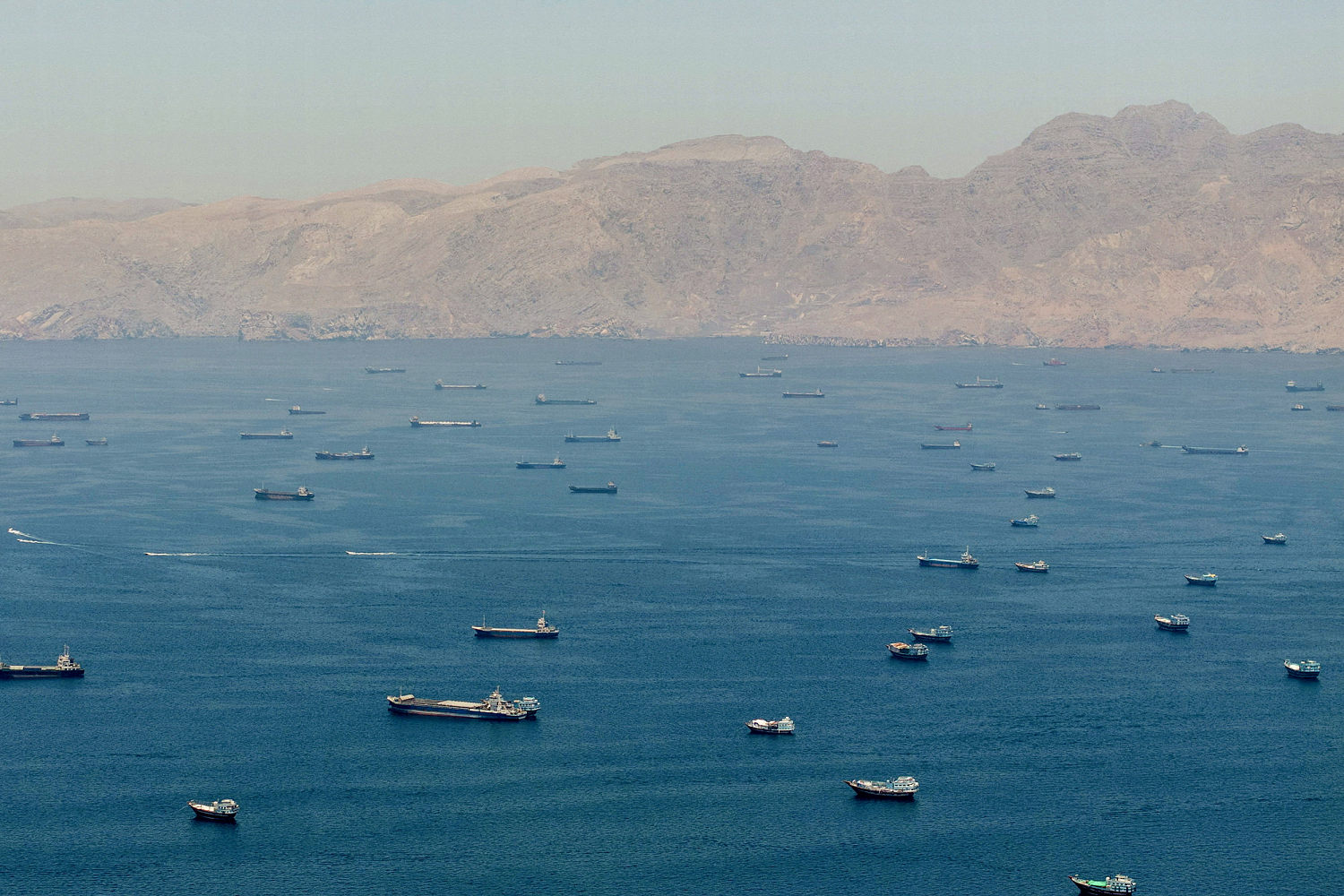
Don't buy into the idea that this was a random miscommunication. The geography tells you everything you need to know about how calculated these moves were. The Strait of Hormuz controls roughly one-fifth of global oil transit, and ever since the broader conflict broke out at the end of February, it has been a pressure cooker.
The details of the early morning exchange reveal a rapid-fire timeline.
- 12:35 AM: Iranian state broadcaster IRIB reports that Iranian forces fired at four foreign vessels attempting to cross the Strait of Hormuz without coordination.
- Early Morning: US CENTCOM monitors and engages four Iranian drones near the strait.
- Pre-Dawn Strike: US assets hit the ground control facility inside southern Iran.
- 4:50 AM (01:20 GMT): The IRGC retaliates by launching missiles and drones toward the American military hub in Kuwait.
Kuwaiti military officials confirmed their air defenses were actively intercepting hostile threats just before 6:00 AM local time in Kuwait City. It's a classic escalatory cycle. One side claims a defensive shield, the other calls it explicit aggression, and the baseline security of the region crumbles a little more.
Why Trump Is Blaming Iran for Stalling
Diplomatically, the timing is terrible. President Trump openly accused Tehran of stalling the peace negotiations on purpose. The running theory among White House officials is that Iran is trying to outwait the administration until the US midterm elections later this year, hoping for a shift in political leverage.
Trump's rhetoric turned incredibly sharp following the exchange. After telling the public over the weekend that a peaceful resolution was right around the corner, he reversed course on Wednesday, threatening to "finish the job" if the Iranian regime refused to sign the terms of the deal. He even went so far as to threaten to blow up targets in Oman amid ongoing disputes over the maritime blockades.
It's a high-stakes game of chicken. Senator Marco Rubio publicly noted that while negotiations will still take a few days, the reality on the ground makes a signatures-on-paper deal look incredibly unlikely right now. You can't talk peace effectively while air defense sirens are going off in Kuwait City.
Regional Contagion and the Realities on the Ground
This isn't happening in an isolated bubble. The entire region is experiencing a massive spike in friction, making a localized US-Iran truce harder to enforce.
Look at what's happening simultaneously in Lebanon. Israel just opened up broad strikes across southern Lebanon, officially declaring a massive portion of the south as an active combat zone. An IDF soldier was killed and two others were wounded in a recent Hezbollah drone strike along the northern border.
Iran is watching its regional network take heavy hits, which explains why its forces are acting out aggressively at critical chokepoints like Hormuz. If Tehran feels backed into a corner by Western pressure and regional defeats, striking an American asset in Kuwait is their way of proving they still hold major asymmetric cards.
What Happens Next to Your Energy Prices
If you're wondering how this affects your daily life, look directly at the energy markets. Every time a missile flies near Bandar Abbas or a drone gets downed over the Strait of Hormuz, global shipping firms panic. Insurance premiums for oil tankers transiting the Persian Gulf are bound to skyrocket after this latest exchange.
The immediate next step to watch is whether Iran completely closes down coordination for commercial shipping through the strait. The IRGC has already warned that any further US actions inside Iranian territory will trigger a much more decisive response.
If you are tracking this conflict, stop looking at the press releases coming out of Washington diplomatic channels. Watch the shipping lanes and the deployment of air defense systems in the Gulf states. The next 48 hours will determine whether this ceasefire can be patched back together or if we are sliding into a full-scale regional air war.