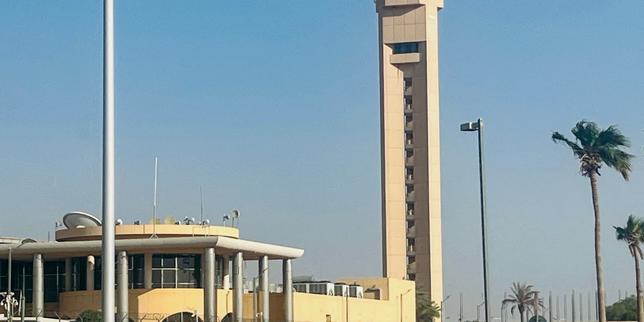
Air defense alarms blaring across a capital city usually mean one thing: a regional conflict is spilling past its front lines. When Yemen’s Houthi movement stepped up its aerial campaign by claiming multiple coordinated strikes—including a high-profile ballistic missile launch targeting King Khalid International Airport in Riyadh—it wasn't just another routine skirmish. It marked a sharp escalation in a persistent war that continues to test the limits of Gulf air defense architecture.
If you've been tracking the trajectory of the conflict, you know these claims rarely happen in a vacuum. The official announcements from the Saudi-led coalition usually emphasize successful interceptions, but the frequency of these incoming projectiles tells a more complicated story about endurance and weapon technology.
Inside the Mechanics of Cross Border Strikes
Operating from terrain thousands of kilometers away, the Houthi forces have steadily refined their missile and drone programs. They rely on a mix of ballistic systems and loitering munitions designed to test radar horizons. When military spokesmen in Sanaa step up to claim responsibility for multi-wave attacks on a single day, they are signaling a deliberate strategy of saturation.
The primary objective isn't always catastrophic structural destruction; it's about psychological pressure, economic disruption, and forcing regional adversaries to burn through expensive interceptor stockpiles. Every time an alert forces flights to ground or diverts civilian air traffic in Riyadh, the friction cost climbs for the kingdom.
The Defense Dilemma and Interceptor Costs
Defending a sprawling capital city against asymmetric aerial threats is an engineering nightmare. Patriot batteries and advanced radar arrays perform exceptionally well, but math is rarely on the defender's side. Launching a multi-million-dollar interceptor missile to neutralize a relatively cheap, mass-produced projectile creates an unsustainable economic imbalance over the long term.
This dynamic explains why military analysts watch these daily escalations so closely. The real battle isn't just happening in the skies above King Khalid International Airport; it's happening in the logistics hubs tracking supply chains and defense inventories. As long as external backing and local manufacturing capabilities keep supplying these launch teams, air defense networks must maintain a perfect success rate—while attackers only need one lucky gap.
What This Means for Regional Stability
Looking at the ground reality in Yemen, these cross-border launches tie directly into shifting domestic fronts and stalled political settlements. When peace talks stall or military offensives shift in provinces like Lahj and Aden, the leadership in Sanaa frequently reaches for long-range capabilities to alter the geopolitical bargaining table.
Ignoring these persistent flashpoints leaves a massive blind spot in understanding Middle Eastern security trends. Until a durable political framework addresses the underlying fractures, the sirens over Riyadh will remain an alarming reminder that local wars rarely stay local.
3 Killed, 36 Injured Across Saudi Airports | WAR LIVE
This video provides live news coverage and visual context regarding the casualties and structural impacts resulting from Houthi strikes on Saudi airports.