The phone vibrated on a wooden dining table in a quiet suburb of Kerala. It was late. The kind of late where every sound magnified against the silence of a sleeping household. On the screen, a brief bubble of text illuminated the dark.
"Ship has safely crossed."
Relief, immediate and cooling, washed over the family. He was safe. The dangerous waters, the endless news reports of drones and anti-ship ballistic missiles, the ambient dread that had hung over the home for months—all of it dissolved in four words. They could sleep now.
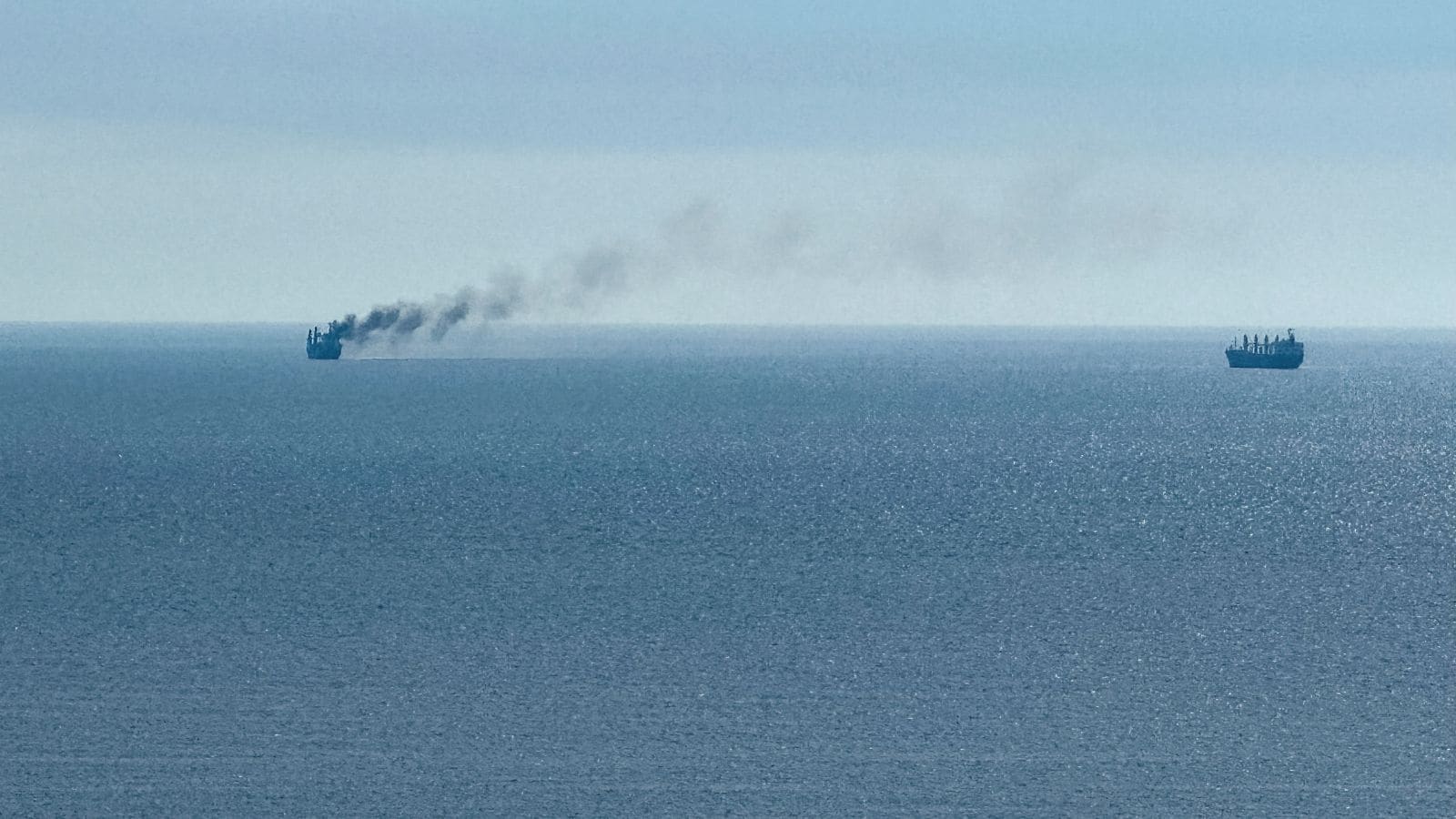
They did not know that the text was a ghost. It was a fragment of a reality that had already ceased to exist. By the time the message registered on a tower in India, the steel hull of the bulk carrier was already shuddering from the impact of a missile launch from the Yemeni coast.
We live in an era where global supply chains are treated as abstract geometry. Lines on a map. Cargo capacities. Standardized twenty-foot equivalent units moving across blue spaces. We measure the health of global commerce by the volatility of freight insurance indexes or the cents added to a gallon of fuel. But commerce is made of flesh. It is propelled by men who leave small towns with heavy suitcases, carrying the financial hopes of three generations on their shoulders, tracking their lives by the unreliable signal of maritime Wi-Fi.
Consider the anatomy of a modern merchant ship. These are gargantuan structures, hundreds of meters of dense engineering, yet they are remarkably fragile ecosystems. When a missile strikes, it does not just puncture steel. It tears through the fragile, invisible web of human routines that keep the vessel alive.
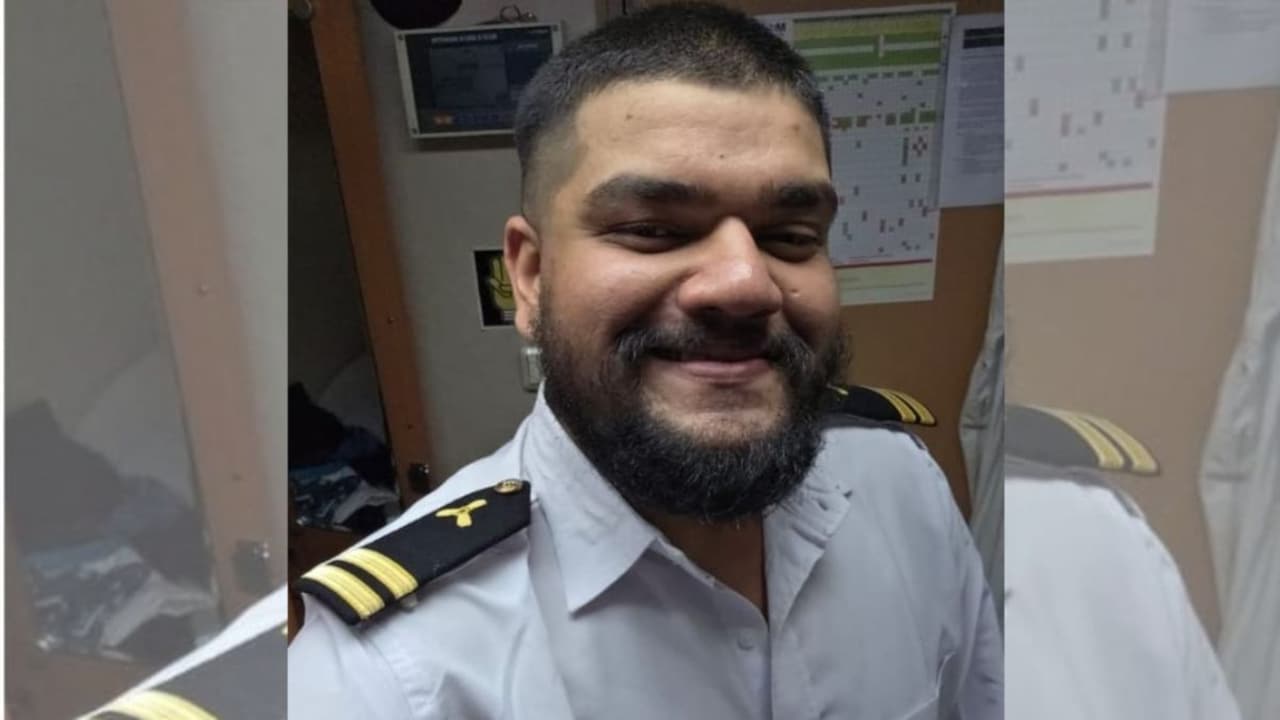
The man who sent that final text was not a combatant. He had no stake in the geopolitical chess match playing out across the Bab el-Mandeb strait. He was a seafarer, part of a global legion of low-profile workers who keep the modern world fed, fueled, and clothed.
To understand the weight of that final message, one must understand the specific cruelty of modern maritime communication. In the past, when a ship left port, it vanished into a functional oblivion. Families waited for letters that arrived weeks late, or telegrams that only brought the starkest of news. There was a clean, if painful, separation. Today, connectivity is just good enough to simulate presence while highlighting total helplessness. A sailor can see his daughter’s first steps via a pixelated video call while standing on a deck that is actively being tracked by hostile radar systems.
This half-presence creates a grueling psychological tax. The family sits at home, checking a maritime tracking app, watching a tiny digital icon crawl across a screen. They see the ship slow down. They see it stop. They refresh the page. The icon remains static. Then the news alerts begin to pop up on their phones: Vessel attacked in the southern Red Sea.
The transition from a living, breathing father, son, or husband into a statistic happens with terrifying speed. One moment he is typing an update with a thumb calloused by heavy rigging; the next, he is the subject of a bureaucratic press release issued by a regional naval command.
The defense ministries will talk about regional security architectures. They will debate the effectiveness of naval escort operations and the intercept parameters of close-in weapon systems. They will quantify the damage in terms of tonnage and structural integrity.
But the real damage is measured in the sudden, permanent silence of a mobile phone.
It is the silence that follows the realization that the reassurance was a lie, timed perfectly by the lag of global networks to deliver comfort just as tragedy struck. The text stands frozen in time—a permanent monument to the last moment of peace before the world fractured.
When we look at the vast expanse of the ocean, we like to think of it as a highway. Safe. Regulated. But for those who man the ships, the water has become a landscape of profound uncertainty, where the distance between a mundane daily chore and a catastrophic strike is measured in seconds. The modern seafarer walks a tightrope over a geopolitical abyss, all to ensure that containers arrive on schedule at western ports.
The ship did not safely cross. The world just kept moving, leaving a family in Kerala to stare at a screen, waiting for a second text that will never come.