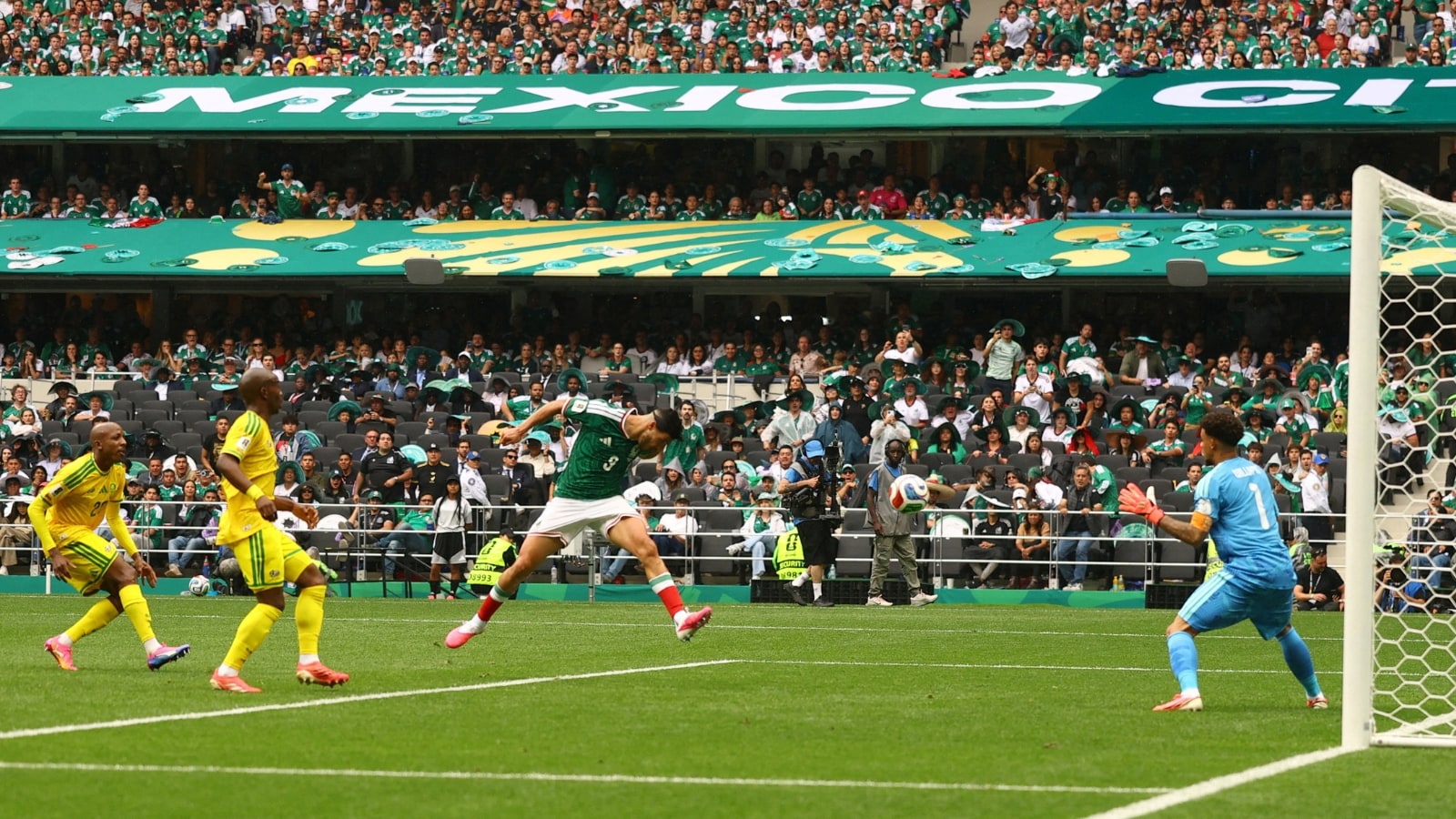
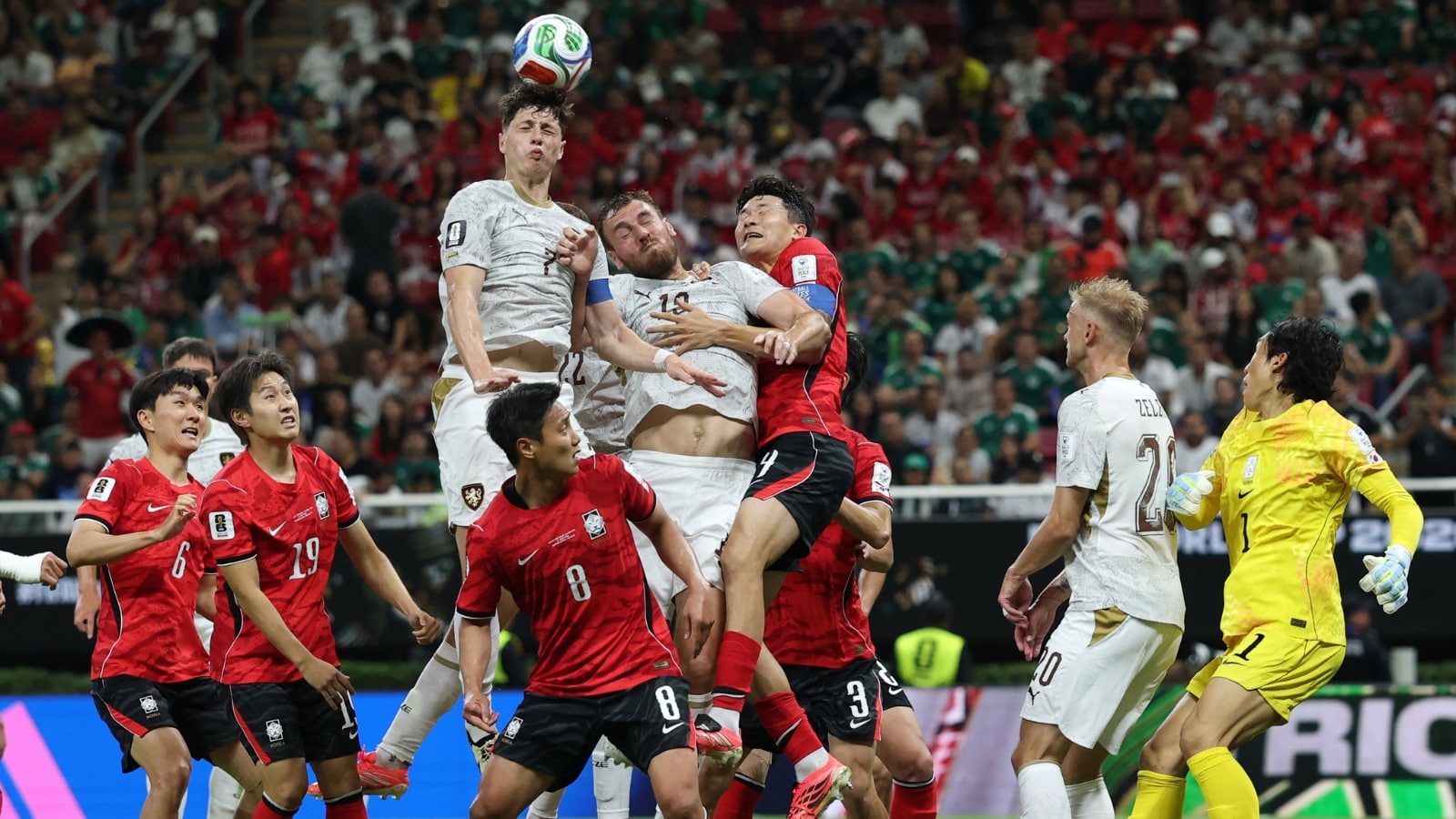
They cried. They hugged. They blasted regional Mexican music in the locker room until the stadium walls shook. If you watched the post-match broadcast or scrolled through social media, you saw exactly how much that whistle meant to the players. La Selección Mexicana comparte su emoción tras el partido, and the fans are eating it up. It makes for great television. It fills the timeline with heart-warming content.
But passion does not win World Cup knockout games.
We need to talk honestly about what happens when the adrenaline fades. El Tri has a long, documented history of riding emotional waves. We see it every tournament cycle. A massive, emotional victory or a gritty draw occurs, the squad talks about playing with heart, and then tactical stagnation creeps back in. If Mexico wants to genuinely compete with top-tier European and South American giants, the conversation has to shift from how the players feel to how they actually execute on the pitch.
The Problem With Chasing The Emotional High
Football matches are won in the transitions, not in the pre-game speech. When looking at the tactical data from recent international windows, Mexico consistently struggles with structural discipline after scoring.
Look at the numbers. According to performance metrics tracked by sports analytics firms like Opta, El Tri's defensive line drops an average of eight meters deeper immediately after taking a lead against top-twenty ranked opponents. That is not a tactical instruction. That is anxiety.
Players get caught up in the stress of defending a result. They stop pressing. They stop asking for the ball. Javier "Chicharito" Hernández famously spoke years ago about imagining "cosas chingonas," which is a beautiful mindset. It works for motivation. It does not fix a broken mid-block press when your midfielders are gassed in the 75th minute.
- Emotional vulnerability: Relying on hype means you crash harder when things go wrong.
- Tactical amnesia: High stress levels cause players to abandon the structural positioning they practiced all week.
- Fatigue management: Adrenaline burns energy fast. Teams that play on pure emotion always hit a wall around the hour mark.
You cannot run a modern football program on vibes alone. The elite teams—the Frances, the Argentinas—they look almost bored when they score. It is business. For Mexico, every goal feels like a national holiday, and that emotional expenditure takes a massive toll over a grueling tournament schedule.
Breaking Down The Tactical Gaps Behind The Smiles
Let us pull back the curtain on what the post-game celebration hides. While everyone is talking about the locker room unity, opposition analysts are looking at the tape. They see the glaring space left behind the overlapping fullbacks. They notice how slowly the central defenders rotate when forced into wide areas.
The current tactical setup relies heavily on individual brilliance from the wingers to create chances. When the service from the midfield dries up, the forwards become isolated ghosts. It is a predictable pattern. Opposing managers don't fear Mexico's system; they fear Mexico's intensity. If you can survive the first twenty minutes of El Tri's emotional fury, you can usually figure out how to break them down structurally.
Fixing this requires a cultural shift within the coaching staff and the Mexican Football Federation (FMF). The media training teaches players to say they gave everything for the shirt. Fans want to hear that. But tactical accountability needs to happen behind closed doors. Instead of celebrating a close win against a transitional opponent, the focus must stay on the three clear-cut chances conceded due to poor communication during defensive set-pieces.
What Needs To Change Before The Next Big Test
Stop looking at the social media clips of the post-game celebrations. Start looking at the substitution patterns. If the manager keeps making panic subs to protect a narrow lead instead of trusted tactical adjustments, the cycle will repeat.
The immediate next step for the coaching staff is establishing a rigid, emotion-free game management plan. Players need specific triggers for when to slow the tempo down and when to exploit space, regardless of the scoreboard. Group therapy sessions and motivational speeches have their place, but an extra hour in the video review room studying defensive recovery shapes will always yield better results on game day. Watch the space between the midfield and defensive lines during the next match. That gap tells you the real story of the team, no matter how much emotion they share with the cameras afterward.