When a hand grenade detonates in a law enforcement parking lot and kills three veteran detectives, you expect a tragic, unpredictable freak accident. You expect to hear about a hidden threat that no one could have anticipated. But the wrongful death lawsuit filed by Nancy Lemus, the widow of Los Angeles County Sheriff's Department Detective Victor Lemus, tells a completely different story. It reveals a series of jaw-dropping shortcuts, systemic training failures, and basic safety violations that look less like a tragic fluke and more like an avoidable disaster.
This isn't just about a broken family seeking justice. It's an indictment of a culture that allowed elite bomb squad personnel to treat live military ordnance like backyard toys.
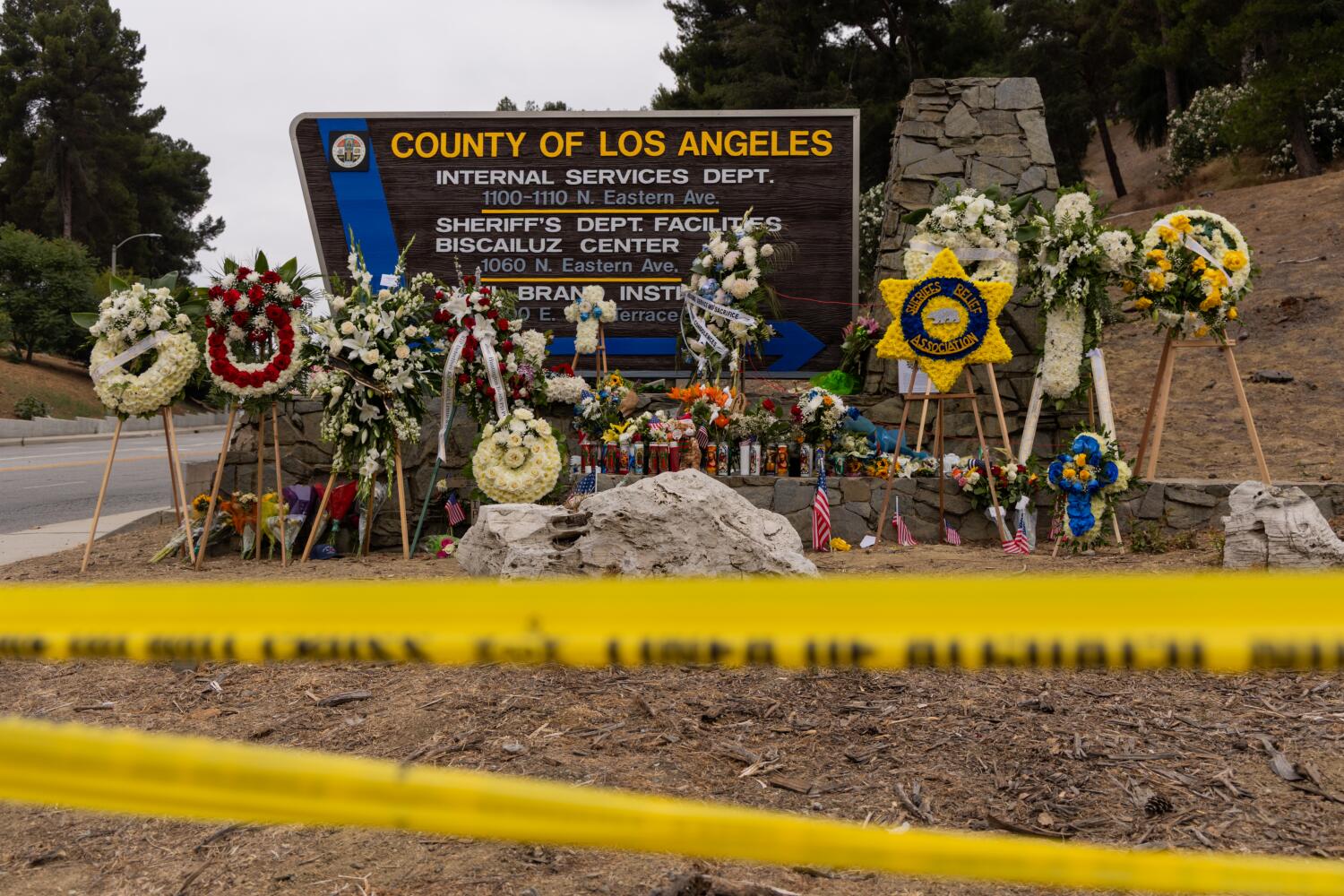
On July 18, 2025, an explosion ripped through the parking lot of the Biscailuz Center Training Academy in East L.A. The blast instantly killed Detectives Victor Lemus, Joshua Kelley-Eklund, and William Osborn. Sheriff Robert Luna called it the deadliest day for the department since 1857. But as state investigations opened up and legal filings surfaced, the narrative of "elite experts caught in an unpredictable blast" completely fell apart.
The Deadly Chain of Decisions in Santa Monica
The disaster started a day before the explosion. On July 17, 2025, Detectives Kelley-Eklund and Osborn responded to a call at an apartment complex in Santa Monica where two military-grade grenades had been discovered.
Instead of taking the department's specialized, heavily equipped bomb truck, they drove their personal work trucks. This wasn't a minor detail. The official bomb truck holds specialized tools meant to safely transport explosive hazards. Their personal trucks didn't.
Inside those personal vehicles, the detectives carried an older, outdated portable X-ray machine. They scanned the two grenades and concluded they were "inert" or inactive. They were dead wrong.
What happened next defies every established protocol for explosive ordnance disposal. Instead of logging the grenades into secure storage or destroying them safely at a range, the detectives packed the live explosives into improper containers. They drove them across busy Los Angeles County highways. They didn't take them to a secure police facility. They drove them to a private residence, where the grenades sat overnight.
Using a Live Hand Grenade as a Classroom Prop
The next morning, the detectives brought the grenades to the Biscailuz Center Training Academy. According to the wrongful death lawsuit, they brought them specifically to use as a "training tool" for Detective Victor Lemus.
Lemus was new to the Arson Explosives Detail. He spent seven years as a successful K-9 handler before transferring to the bomb squad in 2024. He trusted his senior colleagues completely. Why wouldn't he? They were the veterans.
But Lemus hadn't received the mandatory training required for his new assignment. The lawsuit alleges the department failed to send him to the FBI’s hazardous devices school, leaving him reliant on the questionable "in-house" guidance of his peers.
In the middle of the training demonstration in the parking lot, one of the veteran detectives pulled the pin of the hand grenade.
Think about that for a second. In an open parking lot, without protective gear, surrounded by administrative buildings, an investigator pulled the pin on an item checked with an outdated X-ray machine. The grenade was live. The blast killed all three men instantly.
Cal OSHA Uncovers Willful Negligence
You don't have to take the widow's lawsuit at face value to see that something went horribly wrong. California’s Division of Occupational Safety and Health launched an extensive investigation into the incident. The state's findings confirmed the worst parts of the legal claim.
State investigators hit the Los Angeles County Sheriff's Department with eight citations and roughly $350,000 in fines. More importantly, they classified the violations as "willful." That is a specific legal term. It means the employer either knew about the dangerous conditions or was completely indifferent to the safety of its workers.
The state's investigation highlighted several glaring failures:
- Bomb squad personnel consistently handled explosive materials without using proper personal protective equipment.
- The department routinely failed to document training or properly evaluate the massive hazards of moving and storing explosives.
- Live explosive materials were left entirely unattended in unauthorized areas.
- Explosives were transported manually in containers that offered zero blast protection.
Instead of accepting these findings, fixing the problem, and apologizing to the families, the county chose to appeal the fines. Even worse, state attorneys had to sue the sheriff's department just to get them to cooperate with the safety investigation. The department refused to turn over training logs, dispatch records, and the actual X-ray results used on those grenades. They claimed the documents involved sensitive FBI policies, a defense state investigators rejected.
The Haunting Mystery of the Missing Second Grenade
If three dead deputies and a damning state investigation aren't enough, there's a lingering public safety threat that should terrify anyone living in Southern California.
Kelley-Eklund and Osborn seized two grenades from that Santa Monica apartment. Only one exploded at the training academy.
Where is the second grenade?
Sheriff Luna admitted to the public a week after the blast that the second grenade was missing. Law enforcement searched the personal trucks, the private homes of the deceased deputies, and the neighborhoods surrounding the Biscailuz center. They came up completely empty.
As the legal battle moves forward, that live, military-grade explosive is still out there somewhere. It might be sitting in a cardboard box in a suburban garage. It might be buried under junk in a personal vehicle. The department still has no answers.
Real Steps Toward Department Accountability
True reform in law enforcement shouldn't require a body count. If you want to prevent another disaster like the Biscailuz explosion, transparency must replace the reflexive urge to protect the department's image.
First, independent civilian oversight must have full, unredacted access to internal training and discipline logs after an incident. The fact that Cal/OSHA had to file a lawsuit against the sheriff's department just to see the X-ray files is unacceptable.
Second, the "in-house" training loophole needs to close permanently. No deputy should ever step onto a specialized hazardous detail like the bomb squad without completing the gold-standard federal certification programs first. Mentorship is great for learning paperwork, but it shouldn't replace real, formalized instruction when dealing with military weapons.
Finally, county leadership needs to stop fighting the state safety citations. Appealing a workplace safety fine while a widow grieves sends a message that the department cares more about its budget and reputation than the lives of its officers.
The criminal investigation by the ATF remains ongoing, and local prosecutors are still reviewing whether third-party individuals who illegally stored the grenades in Santa Monica decades ago will face charges. But the real failure sits inside the department itself. True accountability means admitting that shortcuts kill, and no amount of veteran status justifies ignoring the rules of survival.