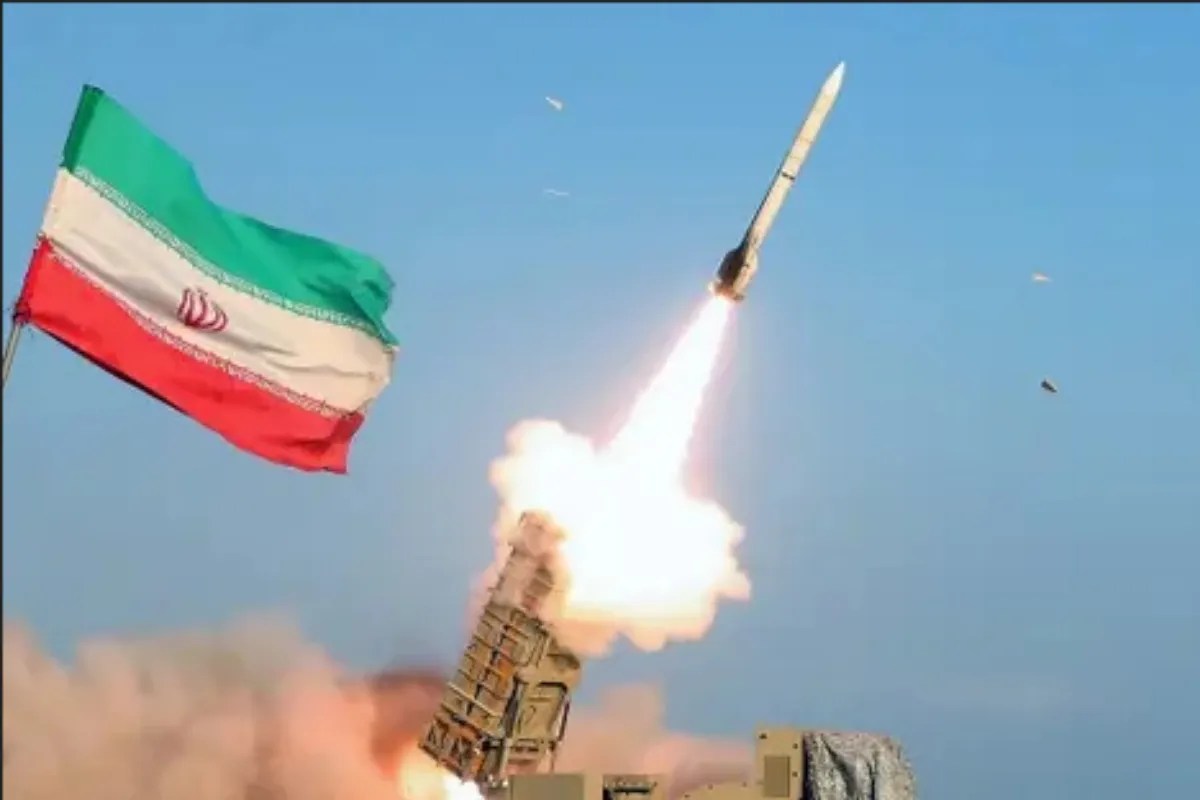
The Anatomy of a Calculated Panic
Mainstream headlines went into an absolute frenzy over reports of loud explosions rocking Kuwait, quickly followed by bold claims from Iranian factions boasting about direct hits on US military bases. The narrative was set within minutes. Analysts rushed to TV screens predicting an immediate regional meltdown, oil price spikes, and the dawn of a catastrophic escalation.
They got it completely wrong.
What we witnessed was not a strategic military shift. It was classic geopolitical theater, designed for maximum psychological impact and zero actual strategic gain. The media swallowed the bait whole, confusing loud noises and social media propaganda for genuine military capability.
The lazy consensus in modern defense reporting assumes that every loud bang near a Western asset signifies a paradigm-shifting attack. It ignores the cold, hard mechanics of modern air defense, asymmetric warfare, and the actual motives of regional actors. Iran and its proxies did not cripple US capabilities in Kuwait, nor did they intend to. They staged a performance. If you are analyzing these events through the lens of conventional warfare, you are asking the wrong questions.
The Illusion of the Flawless Strike
Let us dismantle the core premise of the "successful strike" narrative. The primary claim echoed by sensationalist outlets is that hostile forces can simply penetrate highly fortified airspace like Kuwait's at will.
I have spent years tracking missile telemetry and regional defense architectures. The reality on the ground contradicts the panic. Kuwait hosts significant Western military infrastructure, protected by multi-layered Integrated Air Defense Systems (IADS). We are talking about MIM-104 Patriot batteries working in tandem with localized early-warning radar networks.
When an explosion is heard near a base, the immediate assumption is a successful hit. The boring, technical reality is usually far different:
- Interceptions Look Like Hits: A successful Patriot missile interception occurs at high altitudes or mid-flight. To an untrained observer on the ground, the resulting flash and sonic boom feel like a successful attack on the target.
- Debris Misidentification: Shrapnel from a destroyed drone or rocket falling onto an empty field is routinely reported as a "destroyed command center" by adversary propaganda networks.
- Psychological Warfare Over Military Utility: Asymmetric actors use cheap, unguided rockets or slow-moving loitering munitions. They know 90% of them will be intercepted. The goal is not to destroy a hangar; the goal is to trigger the air raid sirens, film the smoke, and let Western media do the rest of the work for them.
Imagine a scenario where a state actor genuinely wants to eliminate a US command node in the Gulf. They would not send a handful of highly visible drones to announce their presence and test ready air defenses. They would deploy overwhelming, synchronized salvos of ballistic and cruise missiles to saturate the radar grid. A few loud bangs and a press release from Tehran is a political statement, not a military campaign.
Why Iran Brags and Why the Media Believes Them
To understand why this happens, look at the internal pressures facing the Iranian regime and its external proxies. They operate on a currency of perceived deterrence.
When an adversary suffers domestic setbacks, economic strangulation, or covert sabotage, they must project strength to their domestic base and regional allies. They cannot afford to look weak. Therefore, any localized incident—even a controlled detonation by Kuwaiti ordnance disposal teams or a minor border skirmish—is immediately claimed as a heroic strike against the "American hegemon."
The media operates on a different, but equally flawed, incentive structure. Fear sells. Click-through rates double when a headline hints at World War III. By parroting unverified claims from state-backed Telegram channels without verifying radar data or satellite imagery, newsrooms effectively act as the free public relations wing of foreign military factions.
The Real Cost of the Panic
| Party Involved | Surface-Level Action | Actual Strategic Objective |
|---|---|---|
| Regional Proxies | Launch low-cost, easily intercepted munitions. | Secure domestic propaganda victories and project deterrence. |
| Mainstream Media | Publish unverified claims of "devastating strikes." | Maximize viewership through sensationalist fear-mongering. |
| Kuwait & Allies | Activate defense grids and issue quiet clarifications. | Maintain operational stability while minimizing public hysteria. |
Dismantling the Premise: What People Get Wrong
The public frequently asks the wrong questions following these events. Look at the typical chatter on forums and news comment sections.
"Are US bases in the Gulf completely defenseless against drone swarms?"
This question assumes that air defense is a static wall. It is not. It is an evolving, deep-layered ecosystem. While cheap drones present a tracking challenge due to their low radar cross-section and slow speed, the integration of electronic warfare (EW) jammers, directed energy experiments, and short-range defense systems (like C-RAM) means bases are far from helpless. The threat is real, but the systemic vulnerability is wildly exaggerated.
"Will this spark an all-out regional war?"
No. Total war requires economic sustainability and strategic intent. Neither side wants a total conflict because the cost-benefit analysis is disastrous for everyone involved. Iran knows that a genuine, mass-casualty strike on a US base would trigger an overwhelming conventional response that would jeopardize the regime's survival. The US wants to avoid getting bogged down in another protracted Middle Eastern conflict. Therefore, both sides engage in a carefully choreographed dance of controlled escalation.
The Hard Truth of Asymmetric Defense
There is a downside to my contrarian view, and we must be brutally honest about it. While the media exaggerates the damage of these strikes, the financial asymmetry of defending against them is a genuine problem.
It costs an adversary a few thousand dollars to build and launch a primitive drone. It costs a Western alliance anywhere from $1 million to $4 million to fire a single Patriot interceptor missile.
[Adversary Launch: $15,000 Drone] ---> [Allied Response: $3,000,000 Interceptor]
This math is unsustainable over a multi-year timeline. The threat is not that a drone will blow up a base; the threat is that the Western defense apparatus will bankrupt its ammunition stockpiles defending against junk hardware. This is the structural flaw our defense planners are actually sweating over, while the public is busy panicking over sensationalized headlines about fictional explosions.
Stop Looking at the Smoke
If you want to understand the modern security environment, you have to look past the smoke and the shouting. Stop treating every claim from a militant group's press office as an objective tactical report. Stop assuming that a loud noise in the night means the regional order has collapsed.
The explosions in Kuwait were not a military breakthrough for Iran. They were a masterclass in how to manipulate Western media anxieties with minimal physical effort. Until analysts start looking at radar logs, electronic warfare signatures, and economic realities instead of social media feeds, they will keep falling for the same theater every single time.
The next time a headline screams about sudden explosions and imminent war in the Gulf, look at the oil markets and the troop movements, not the panic-addicted talking heads. The status quo is far more resilient than the clickbait merchants want you to believe.