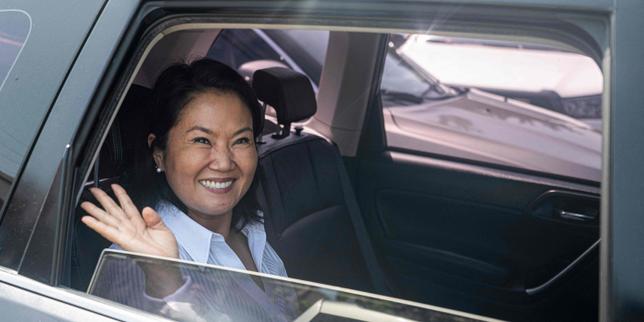
Peru just shattered a decades-long political curse, but it isn't the clean break many hoped for. On June 29, 2026, election authorities finalized the 100% vote count of one of the most grueling, bitter runoff elections in modern Latin American history. Keiko Fujimori, the right-wing leader of Popular Force, secured 50.13% of the vote. She narrowly defeated leftist Roberto Sánchez, who captured 49.87%. With a razor-thin margin of roughly 50,000 votes out of over 18 million cast, Fujimori finally claimed the presidency on her fourth consecutive attempt.
If you are looking at Peru from the outside, you might think this is just another standard right-versus-left political flip. It isn't. This election reshapes the entire Andean region. Fujimori is now poised to become the country's first elected female president by popular vote. But she takes the wheel of a nation that has burned through nine presidents in a single decade.
The real story behind this win isn't just the numbers. It's how she pulled it off, what the immediate fallout looks like on the streets of Lima, and the massive risks ahead for businesses, investors, and everyday citizens.
How the Diaspora Swung the Vote
For weeks after the June 7 runoff, Roberto Sánchez held a slim lead. Domestic votes inside Peru were processed first, favoring his left-wing Together for Peru coalition. The rural provinces and mountainous regions voted overwhelmingly for Sánchez, repeating a familiar geographic divide in Peruvian politics.
Then the overseas ballots arrived.
Peru's diaspora community, particularly the massive population living in the United States, voted heavily in favor of Fujimori. Those international ballots slowly chipped away at Sánchez’s lead, eventually pushing Fujimori ahead by less than one percentage point.
Sánchez immediately called foul. He demanded the nullification of foreign ballots, citing unspecified irregularities in the process. He openly stated he would not recognize the victory and announced mass mobilizations of his supporters. If that playbook sounds familiar, it's because Keiko Fujimori used the exact same strategy when she lost the 2021 election to Pedro Castillo. The tables have turned, but the institutional damage remains identical.
Despite the standard local outcry, international observers reported that both voting rounds proceeded normally. Lima Mayor Renzo Reggiardo publicly congratulated Fujimori, sending a strong signal to local markets that the political establishment recognizes the outcome. The National Jury of Elections plans to issue the formal, official certification by July 3, 2026, ahead of the presidential inauguration on July 28.
The Polarizing Legacy of Fujimorismo
You cannot understand Peru's current trajectory without understanding the shadow of Alberto Fujimori. He ruled Peru in the 1990s, stabilizing a hyperinflationary economy and defeating the Shining Path insurgency, but did so through authoritarian measures, forced sterilizations, and death squads. He later died in prison while serving a sentence for human rights abuses.
Keiko Fujimori has spent her entire adult life defending, refining, and weaponizing that legacy. To her supporters, her victory means a return to economic pragmatism and hardline security. To her detractors, it signals the return of a political dynasty rooted in corruption and institutional overreach.
The polarization isn't just ideological; it's operational. During previous administrations, the Fujimorist-led Congress frequently utilized constitutional hardball tactics to obstruct executives, actively removing multiple presidents from office. Now that Fujimori holds the executive branch itself, the dynamic flips completely.
The Security and Economic Agenda
Markets are already pricing in a Fujimori presidency with cautious optimism. The local currency and prediction markets stabilized quickly after the final count, mostly because businesses prefer her right-wing economic policies over the radical restructuring proposed by Sánchez.
Fujimori ran on a clear platform: "Fujimori returns." Her agenda targets five specific pillars that are critical for anyone tracking Peru's economic health:
- The "Faceless Judges" System: To combat rampant organized crime and extortion, Fujimori wants to revive a controversial 1990s-era judicial system where judges remain anonymous to protect them from cartel retaliation. Critics warn this severely undermines due process.
- A Direct Line to Washington: Expect Peru to pivot hard toward the United States, aligning with the broader conservative shift in Latin America. This will likely mean new security pacts and bilateral trade discussions.
- Infrastructure Overhaul: The administration plans to fast-track mining concessions and public transport infrastructure projects that stalled during years of executive-legislative gridlock.
- Restoring Corporate Confidence: Striking down threats of nationalization that frequently emerged during previous leftist regimes to lure back foreign direct investment.
Navigating the New Peruvian Reality
If you are an investor, an expat, or someone doing business in Peru, you shouldn't confuse a certified election with absolute stability. The country remains profoundly divided.
Sánchez’s refusal to concede means street protests and roadblocks are highly probable in the coming weeks, particularly in the southern mining corridors. Supply chains for copper and agricultural exports could face intermittent disruptions.
The smart move right now is to keep operational footprints flexible. Watch the official National Jury of Elections certification on July 3, but pay closer attention to how the police handle the initial waves of left-wing mobilizations in Lima. Fujimori has the mandate, but managing a fractured Congress and an angry electorate will test her administration from day one.
Peru’s political shift mirrors a wider regional trend toward heavy-handed security and conservative economic policies. For a deeper look into how these dynamics are playing out across the continent, this detailed analysis on Peru elects Fujimori: Political dynasty returns to power offers valuable context from journalists on the ground in Lima explaining the international and domestic impact of the vote.