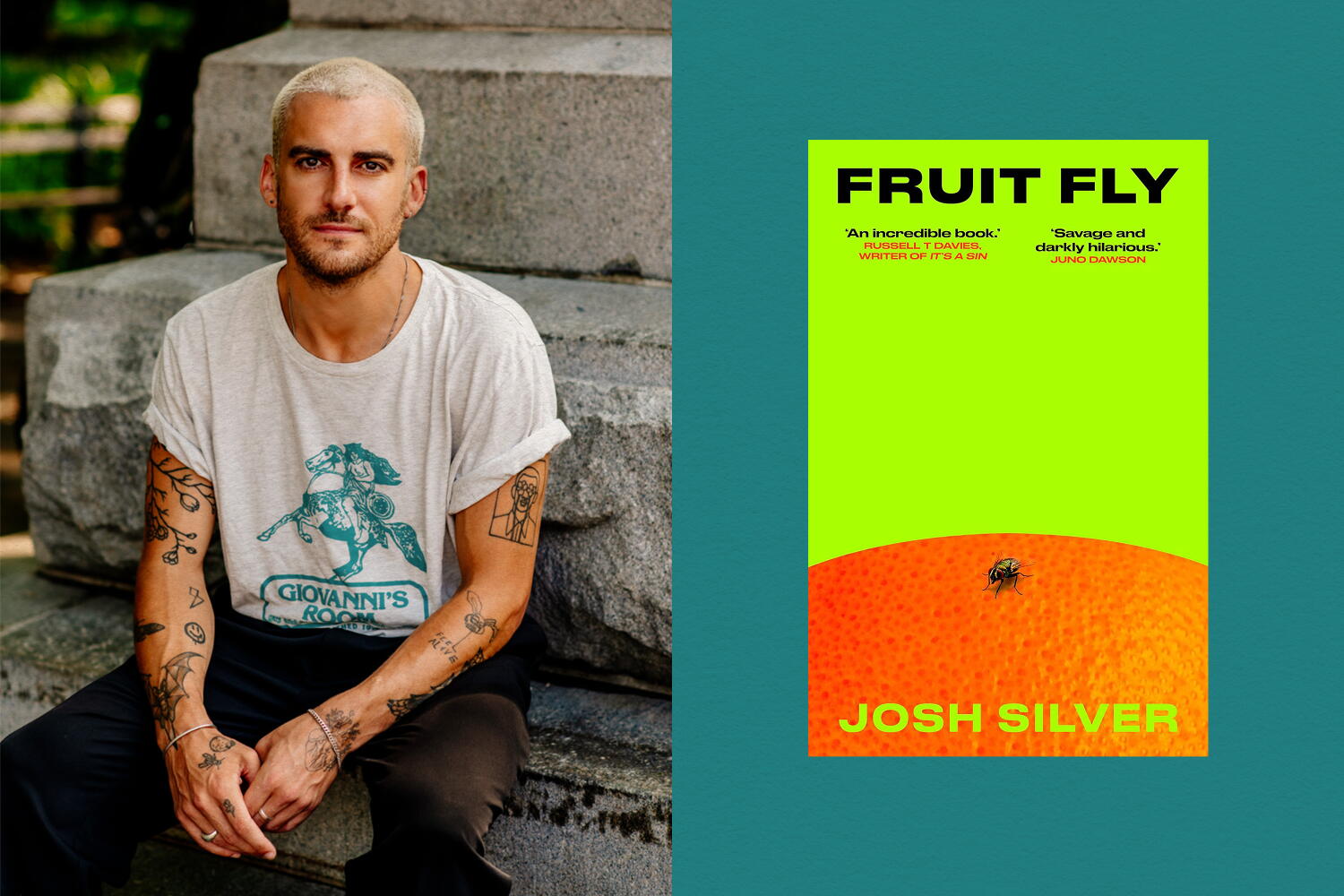
Writing for teenagers used to mean playing it safe. Authors handed young readers neat little lessons wrapped in pastel-colored covers. They offered tidy resolutions where every trauma found a fix before the final page. Josh Silver tore up that rulebook. His bestselling YA thriller Fruit Fly proved that teenage readers don't want sugarcoated nonsense. They want the raw, messy, and uncomfortable reality of growing up.
The book succeeded because Silver refused to blink. He leaned into grief, queer desire, and psychological darkness without flinching. If you want to understand why modern readers connect with material that hurts, you have to look at how honesty beats comfort every single time.
Why Sanitized YA Fiction Fails Readers
Most traditional youth fiction treats teenagers like fragile glass. Writers scrub away the grit to keep parents and school boards happy. Characters experience mild angst, solve their problems through a heartfelt conversation, and walk into the sunset.
Real life doesn't work that way. Ask any teenager navigating identity, mental health, or isolation. They know the world is heavy. When books pretend everything is fine, young readers spot the fakery instantly. They close the cover and look for authentic stories online.
Silver understood this hunger. In Fruit Fly, the protagonist navigates a world filled with genuine danger, sexual exploration, and profound sorrow. The narrative doesn't offer a safety net. By treating his audience with respect, Silver built a bond of trust that sanitized paperbacks could never touch.
The Power of Writing Queer Stories Without the Trauma Trap
Queer representation in books has come a long way, but it often falls into predictable buckets. You either get a story centered entirely around coming out and facing relentless tragedy, or you get a sanitized romance where nobody has any real flaws.
Silver sidestepped both traps. Fruit Fly features queer characters whose identities matter deeply, but their sexual orientation isn't the sole source of their suffering. They are complex human beings making terrible mistakes, falling for the wrong people, and dealing with internal demons.
Writing authentic queer experiences means allowing characters to be messy. They aren't moral role models designed to teach empathy to straight readers. They are protagonists driving their own chaotic narratives. That freedom is intoxicating for readers who are tired of seeing themselves reduced to after-school specials.
Leaning Into the Dark Side of Adolescence
Adolescence is terrifying. Hormones rage, social hierarchies turn brutal, and the brain undergoes radical rewiring. Pretending that period is all about promposals and quirky misunderstandings does a massive disservice to kids.
Silver drags the darkest aspects of youth into the light. He explores obsession, guilt, and the psychological weight of secrets. When a story gets dark, it creates emotional stakes that keep pages turning late into the night.
- Emotional Resonance: Readers remember books that make them cry long after they forget books that merely amuse them.
- Psychological Depth: Giving characters real flaws makes their victories—and their failures—feel earned.
- Zero Preaching: Good dark fiction lets the audience draw their own conclusions instead of hammering home a moral message.
Writers who shy away from the shadows usually do so out of fear. They worry about alienating the audience. But human beings are drawn to the macabre and the melancholic. We use dark art to process our own hidden fears.
Writing What Hurts to Read
Getting a manuscript to resonate means digging into places that feel uncomfortable. If a scene doesn't make you squirm a little while typing it, it probably won't move anyone else.
Silver didn't hold back the harsh details. He showed how grief twists people into shapes they never expected. He explored how friendship can turn toxic under the right pressure. This commitment to emotional truth is why the book left such a massive mark on the publishing landscape.
Stop worrying about making your characters likable. Make them interesting. Make them real. Give them the permission to fail spectacularly and hurt deeply. That is how you write a book people talk about for years. Grab a blank document, turn off your inner censor, and write the story you're actually afraid of telling.