Flash floods don't just wash away homes; they tear apart the fragile healthcare networks holding remote mountain communities together. When devastating flash floods hit the Rasuwa district in Nepal along the border with China, Jibjibe Rural Hospital turned from a quiet hillside medical center into an emergency trauma zone overnight.
You rarely hear about how isolated mountain clinics manage catastrophic surges until disaster strikes. Daily foot traffic at the hilltop facility jumped from between 80 and 100 local residents to well over 130 patients a day. People trickled in with bone fractures, head injuries, and traumatic chest complications caused by violent rushing waters. Read more on a connected subject: this related article.
The Medical Reality on the Ground
Handling severe trauma in a remote Himalayan district is nearly impossible without the right infrastructure. On the day the floods hit last month, the clinic received 10 critical patients immediately. Dr. Nirajan Bhatta, the medical superintendent at Jibjibe, and his team managed to stabilize five patients on-site while referring the rest toward Dhunche and coordinating helicopter evacuations to Kathmandu for life-threatening cases.
Local medical teams faced severe operational constraints before outside assistance arrived. Survival often depended on whether a facility possessed basic surgical units or functional X-ray machines. Without immediate local interventions, patients face grueling hours of transit over rugged, damaged mountain roads just to reach the capital. More journalism by The Washington Post explores comparable views on this issue.
How Citizen Relief Funds Changed Everything
Recovery in these regions relies heavily on long-term philanthropic backing rather than immediate government response alone. Years prior, donations through The Indian Express Citizens' Relief Fund pooled resources ranging from small pocket-money contributions by schoolchildren to corporate day-wage donations.
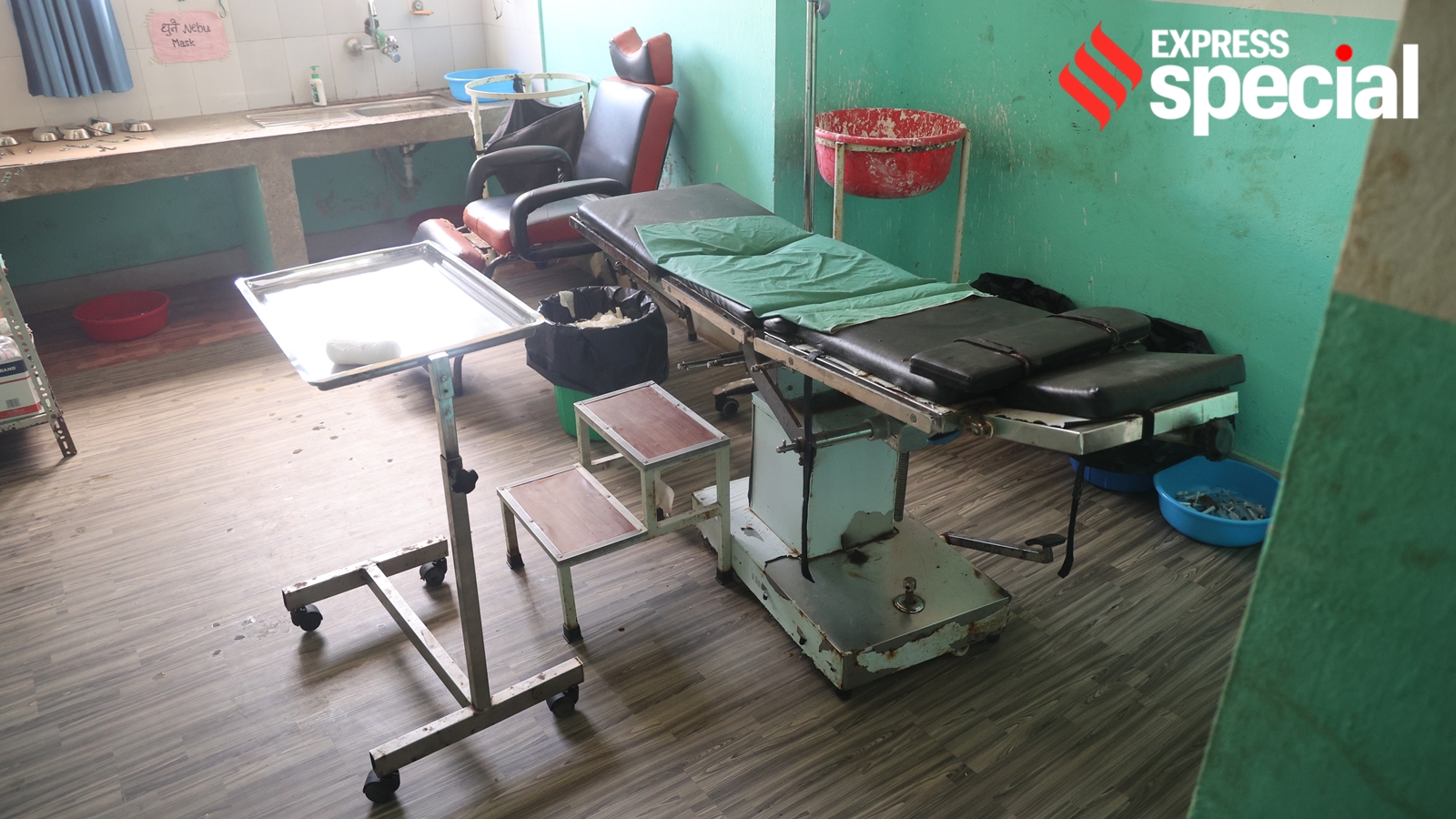
That money translated directly into Nepal Rs 1.2 crore worth of critical medical equipment distributed across Sindhupalchok, Rasuwa, and Nuwakot. Instead of lacking basic gear, Jibjibe Rural Hospital received vital assets including:
- Functional X-ray machines
- Operation theatre tables and minor surgical instruments
- Infant radiant warmers for neonatal safety
- Emergency beds and dedicated observation units
Harikrishan Debkota, chairman of the hospital's management committee, notes that having actual surgical equipment on-site meant locals could skip dangerous multi-hour journeys to Kathmandu or Dhunche for routine procedures. The facility is currently scaling up into a 15-bed operational hospital to handle persistent regional demand.
The Hidden Mental Health Crisis
Physical trauma heals eventually, but psychological scars linger much longer. Doctors report that a massive portion of the post-flood influx now requires intensive psychosocial care for acute stress and post-traumatic stress disorder.
Dr. Bhatta recalls treating patients who arrive complaining of agonizing physical pain, only to discover their vitals are completely normal. Behind the phantom physical symptoms often lies profound trauma—such as losing a parent to the currents or going days without eating out of sheer grief. Mountain healthcare providers are forced to treat mental health as an immediate emergency right alongside broken bones and lacerations.
Support remote healthcare initiatives or donate directly to established relief funds operating in Himalayan districts to ensure clinics like Jibjibe maintain their emergency supplies before the next disaster strikes.


