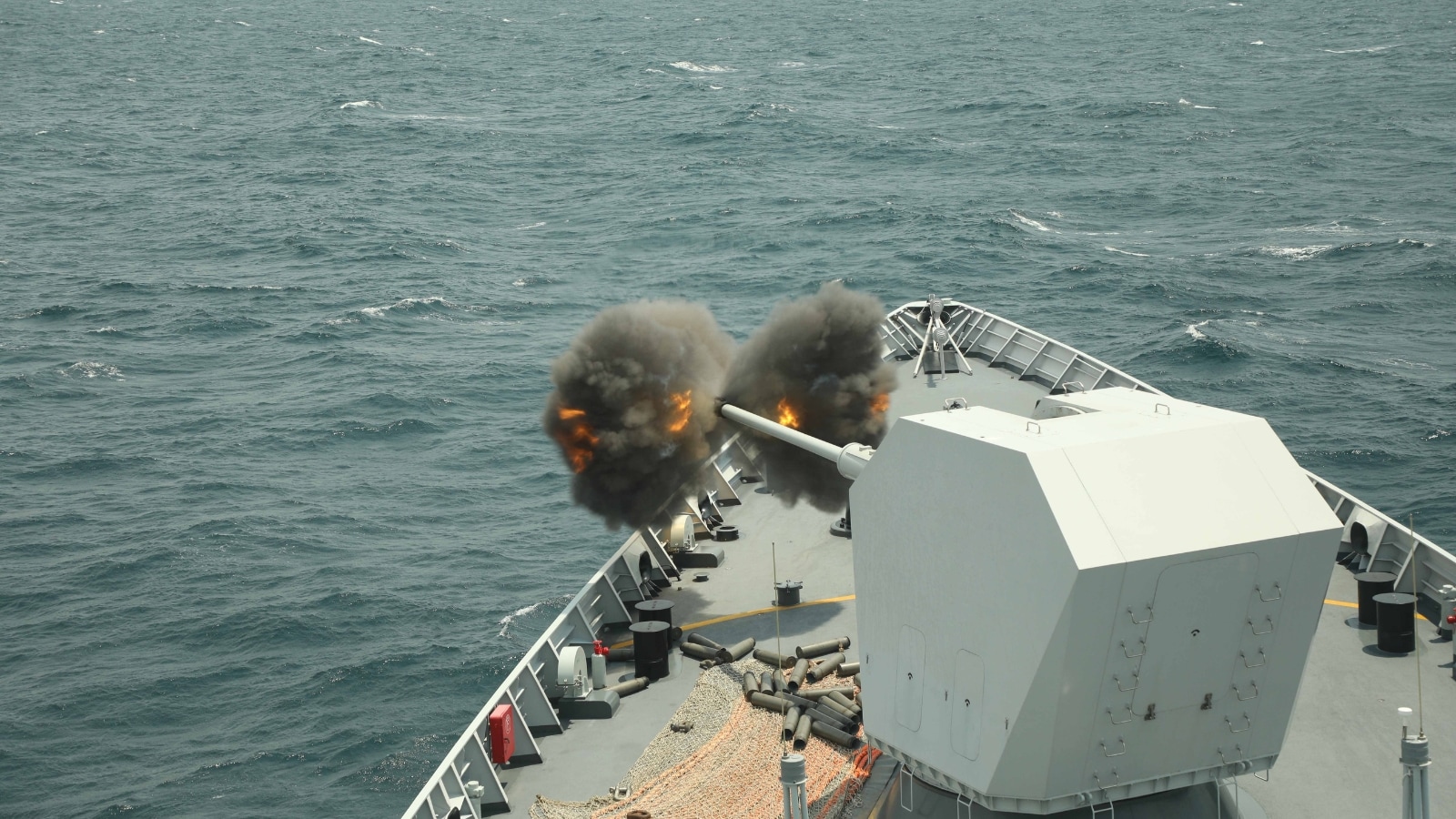
Tokyo is shocked. The media is hyperventilating. Mainstream analysts are scrambling to draft urgent warnings about China’s latest "unprecedented provocation" in the Exclusive Economic Zone.
It is all noise.
The narrative being peddled right now—that a Chinese destroyer conducting a live-fire drill inside Japan’s EEZ is a terrifying breach of international order—is based on a fundamental, deliberate misunderstanding of maritime law. Western commentators love to frame every Chinese naval movement as an unprecedented crisis. But if you actually understand the United Nations Convention on the Law of the Sea (UNCLOS), you know the uncomfortable truth: Beijing did not break the law here. They played by the exact rules the United States and its allies have used for decades.
The outrage isn't about legal violations. It's about optics, narrative control, and military hypocrisy.
The EEZ Illusion: Sovereignty vs. Jurisdiction
Let’s strip away the political posturing and talk about how maritime law actually works.
The media routinely confuses a nation's territorial sea with its Exclusive Economic Zone. They are not the same thing.
- Territorial Waters (12 nautical miles): Complete national sovereignty. Military vessels cannot conduct weapons tests here. Period.
- Exclusive Economic Zone (up to 200 nautical miles): Sovereign rights over economic resources—fish, oil, gas, minerals. It does not grant total military sovereignty.
Under UNCLOS Article 58, foreign ships and aircraft enjoy high-seas freedoms of navigation and overflight within another nation's EEZ. That includes military operations, surveillance, and yes, even weapons training, provided it is conducted with "due regard" for the safety of other vessels.
I have spent years analyzing freedom of navigation operations in the Western Pacific. The uncomfortable secret that defense hawks refuse to admit is simple: the United States Navy conducts military exercises and high-end surveillance inside foreign EEZs around the world on a routine basis. When Washington does it in the South China Sea, it's called "upholding the free and open Indo-Pacific." When Beijing does it off the coast of Japan, it's framed as an existential threat to regional stability.
You cannot champion high-seas freedom in foreign EEZs for yourself and then claim outrage when an adversary exercises those exact same rights off your own coast. That isn't strategy. It's a double standard.
Why Tokyo Protests (When They Know the Law)
If Japan's defense ministry knows UNCLOS inside and out—and they do—why the immediate, public diplomatic protest?
Because these protests aren't meant to change Beijing's behavior. They are meant to manage public perception and justify military budgets.
Public outrage is a currency. Every time a Chinese Type 052D destroyer sails anywhere near Japanese waters, Tokyo uses the moment to lock in domestic support for its record-breaking defense expenditures. Japan isn't stupid; they are transforming their defense posture, doubling military spending toward 2% of GDP, and buying long-range strike capabilities. To sell that massive shift to a historically pacifist voting base, you need a visible, constant threat.
China understands this game and plays its part perfectly. Beijing isn't trying to invade Japan with a single live-fire drill in an EEZ. They are establishing a psychological baseline.
They are telling Tokyo: Whatever you do off our coast under the banner of freedom of navigation, we will match off yours.
Imagine a scenario where China establishes a permanent, rolling schedule of live-fire exercises just past Japan's 12-nautical-mile line, strictly complying with UNCLOS notification procedures. Japan would be legally powerless under international law to stop them without firing the first shot. That is the strategic trap Beijing is laying.
The Flawed Premise of Western Outrage
People keep asking the wrong question: "How do we stop China from conducting military exercises in foreign EEZs?"
You don't. Because trying to stop them destroys the very legal foundation that allows Western navies to operate globally.
If Japan and the U.S. push to restrict foreign military activities in EEZs, they play directly into China's long-term legal trap. For decades, Beijing argued that foreign militaries had no right to conduct surveillance or exercises within China's EEZ. Washington fought tooth and nail against that interpretation to protect Navy operations in the South China Sea.
Now, China has realized a simple truth: why fight the rules when you can use them?
By expanding its blue-water navy, China no longer wants to restrict EEZ freedoms. They want to flex them. The moment Western nations cry foul over Chinese naval drills in foreign EEZs, Beijing can smile and point directly to 40 years of U.S. naval precedent.
Here is the brutal reality:
- The law is clear: EEZs are not territorial waters.
- The precedent is set: Western navies wrote the playbook on EEZ military operations.
- The playbook works both ways: A powerful Chinese navy will use every legal leeway the West fought to protect.
Stop reacting to every naval exercise with manufactured panic. The Chinese navy operating legally in Japan's EEZ isn't a breakdown of the rules-based order—it is the rules-based order in action, whether you like the player or not.
If Tokyo wants to counter Beijing, it needs to stop relying on legal complaints it knows are toothless and start building a fleet capable of out-matching China’s presence. Anything else is just noise for the evening news.