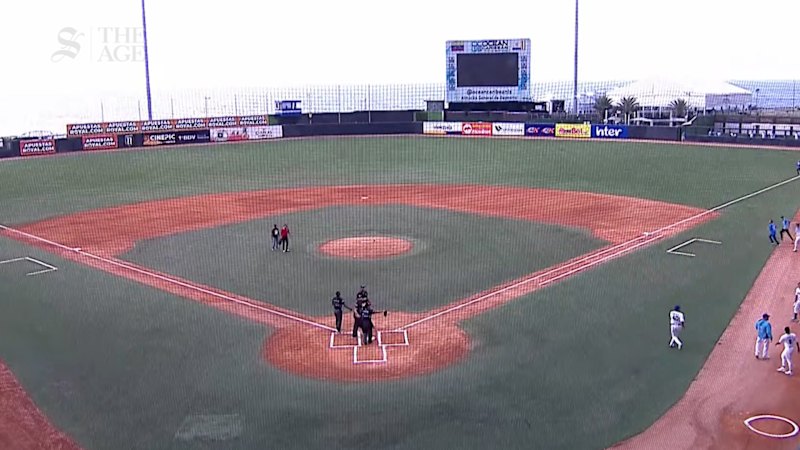
International football can sometimes feel scripted, but what went down at Dallas Stadium in Texas was pure, unadulterated chaos. If you missed the final Group F match, you missed a classic tactical chess match that exploded into an all-out street fight during the second half. Japan and Sweden drew 1-1. That single sentence doesn't even begin to tell the story of a night where qualification hopes hung by a thread until the final whistle.
People are looking at the group standings trying to make sense of what this means. Let's break it down right away. Japan wanted all three points to firmly assert dominance, while Sweden needed to survive a relentless technical onslaught. By the time the ref blew the final whistle, both squads looked completely spent, having left absolutely everything on the Texas grass.
The Strategic Battle in the Dallas Heat
The first half was all about tactical discipline. Japan rolled out a fluid 3-4-3 system designed to suffocate space in midfield and unleash their quick wingers. Ao Tanaka and Daichi Kamada ran the engine room, attempting to control the tempo while keeping a close eye on Sweden's dangerous counter-attacks.
Sweden countered with a rigid, imposing 3-4-1-2 shape. They clearly intended to use their physical superiority to bully Japan off the ball. Victor Lindelöf anchored the backline like a seasoned general, matching Ayase Ueda challenge for challenge. It wasn't always pretty, but it was incredibly effective at stopping Japan from finding any real rhythm early on.
Things got complicated for Sweden around the half-hour mark. Aggressive defender Isak Hien picked up a yellow card in the 32nd minute. Sensing trouble, the Swedish bench didn't hesitate, pulling Hien off just four minutes later to bring on young talent Lucas Bergvall. Japan suffered their own defensive blow shortly after when Kō Itakura had to be replaced by Shōgo Taniguchi. These sudden changes threw a wrench into the carefully planned setups, setting the stage for an explosive second half.
Second Half Firepower and Quick Responses
When the teams returned to the pitch, the cautious approach vanished. Japan cracked the game wide open in the 56th minute. Daizen Maeda found a pocket of space, timed his run perfectly, and slotted the ball home past a diving Jacob Widell Zetterström. The stadium erupted. For a few minutes, it looked like Japan would cruise into the next phase.
But European sides rarely fold that easily. Sweden reacted with immediate fury. They began playing more direct football, utilizing the pace of Anthony Elanga and Viktor Gyökeres to stretch the Japanese backline.
The pressure paid off almost immediately. In the 62nd minute, Elanga ghosted past his marker and struck a fierce shot into the net. A tense VAR check followed, but the goal stood. Just like that, the score was level at 1-1, and the drama escalated to an entirely new level.
Tactical Adjustments in the Final Framework
Both managers emptied their benches in a frantic bid to secure a winner. Japan threw on veterans and fresh legs alike, introducing Junya Itō and Yūto Nagatomo to injection some energy into the flanks. Sweden responded by shoring up their defense with Daniel Svensson and Carl Starfelt, intent on preserving the point while hunting for a late winner on the break.
Japan vs Sweden Match Statistics
+-------------------------+---------+---------+
| Metric                  | Japan   | Sweden  |
+-------------------------+---------+---------+
| Goals                   | 1       | 1       |
| Yellow Cards            | 1       | 2       |
| Tactical Substitutions  | 5       | 5       |
+-------------------------+---------+---------+
As the clock ticked down, the physical toll became obvious. Yellow cards started flying. Taniguchi was booked for Japan, while Gyökeres picked up a caution for Sweden during a heated midfield battle. Every single tackle carried massive weight, but neither defense blinked during several chaotic minutes of stoppage time.
For fans trying to map out what happens next, look closely at the tie-breaking criteria for Group F. Goal differences, goals scored, and head-to-head records are going to matter immensely. If you're managing a fantasy squad or just tracking the bracket, watch the disciplinary points closely. That lone yellow card to Taniguchi or Gyökeres' late booking could actually decide who books a flight to the knockout rounds and who goes home early. Keep a sharp eye on the official FIFA updates over the next 24 hours to see how the final group math settles.