You spend years pouring concrete, upgrading steel frames, and redesigning ceilings to withstand the worst nature can throw at you. You open the doors to massive crowds, celebrate a regional recovery, and call it a triumph of modern engineering. Then the ground shakes again, an explosion rips through the halls, and your proudest architectural symbol turns into a rescue zone.
That is the bitter reality facing Kumamoto Prefecture right now. The destruction of the Aeon Mall isn't just a localized tragedy. It exposes deep, uncomfortable truths about structural resilience, modern commercial design, and the limits of building back better in a country built on active faults.
The Illusion of Permanent Seismic Retrofitting
When a magnitude 7.1 earthquake struck southern Japan, it tested infrastructure that engineers swore was ready. The Aeon Mall in Kumamoto had only just reopened on June 13 after years of painstaking reconstruction. Back in 2016, a devastating sequence of quakes tore the region apart. Retailers and city planners used the aftermath to overhaul building codes, installing seismically reinforced ceilings and modern safety lines.
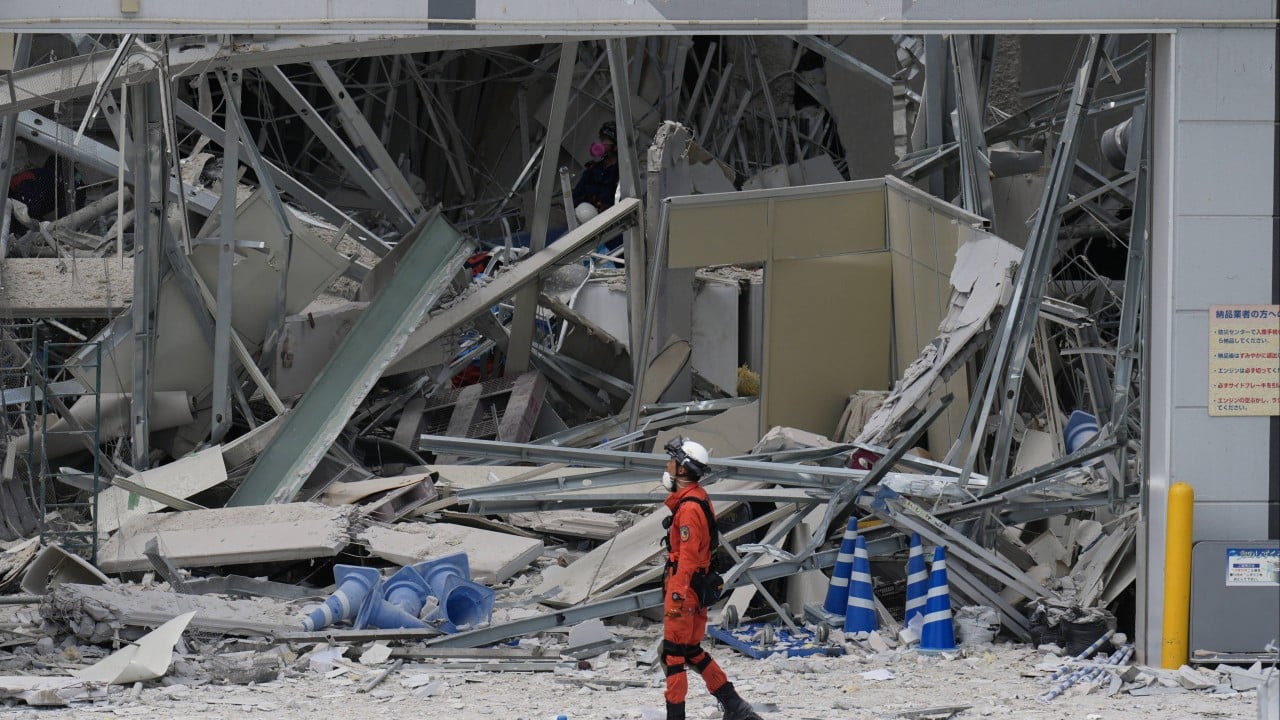
Yet, resilience has a ceiling. Seismologists analyzing the disaster note that while the core frame of the mall initially held up against the violent shaking, the secondary disaster changed everything. About an hour after the tremors stopped, a massive explosion tore through the structure.
People escaped the initial ground motion, thinking they had beaten the odds. They gathered outside or sheltered in place, only to watch the building buckle from a suspected gas leak explosion. This sequence shatters the comforting myth that structural engineering can entirely eliminate risk. Codes can protect against the wave, but they cannot always account for the cascading failures that follow.
The Human Cost Behind the Reopening Hype
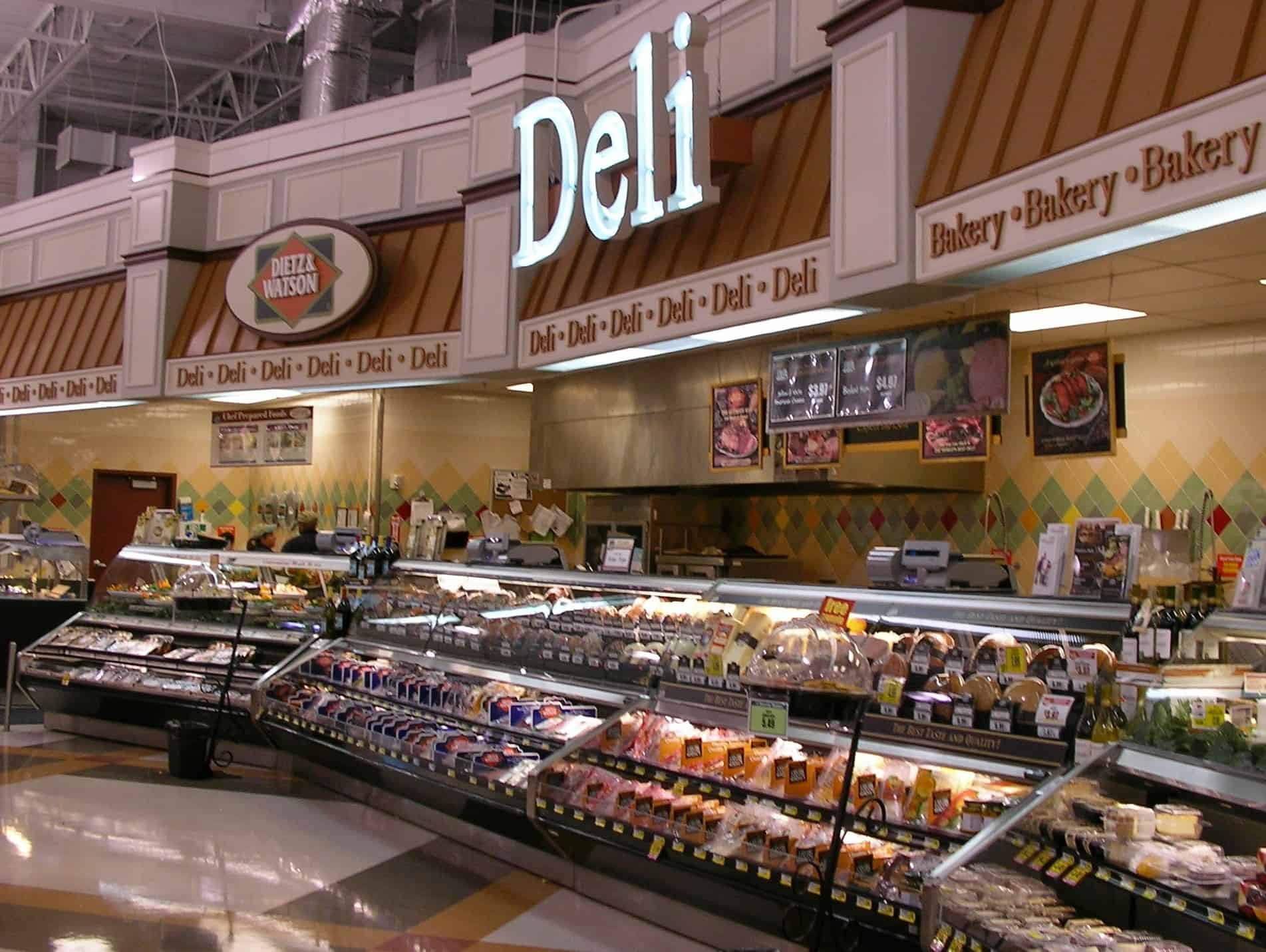
Corporate ribbon-cuttings make great PR, but they fade fast when reality sets in. After the 2016 disaster, this specific shopping center turned into a cornerstone of local economic recovery. Millions of visitors poured through its doors annually, especially as regional manufacturing investments brought a surge of new workers to the area.
When the doors reopened in June, it felt like a permanent line drawn under a dark chapter. Families walked the halls, part-time workers clocked in for their shifts, and small business owners relied on the foot traffic to rebuild their livelihoods.
Weeks later, those newly reinforced ceilings became heavy debris. At least three employees lost their lives, and dozens more remained unaccounted for while aftershocks stalled emergency responders. When commercial hubs double as community anchors, their collapse takes down more than just drywall and steel beams. It shatters the psychological safety of an entire region trying to move forward.
What Structural Engineers Rarely Say Out Loud
We trust building codes because the alternative is too terrifying to contemplate. If an engineered structure fails weeks after a multi-million-dollar upgrade, the public loses faith in the system.
The uncomfortable truth is that infrastructure updates in active seismic zones are mitigation strategies, not bulletproof vests. Upgrading old footprints introduces complex engineering compromises. You retrofit a ceiling here, you update gas lines there, but you are still working within a layout designed decades prior.
Gas safety mechanisms are supposed to automatically shut off during major tremors. When those systems fail or when residual pressure finds an ignition source, the resulting blast bypasses the expensive seismic frames entirely. A building doesn't have to fall directly from the earth's shaking to be destroyed by it.
Communities in earthquake-prone zones face an uphill battle. Rebuilding stronger is necessary, but it creates a false sense of security. People assume that because a building is new, it is invincible.
Government officials and corporate developers must look past standard compliance checklists. True safety requires looking at secondary hazards like fuel lines, chemical storage, and post-quake utilities with the same intensity they give to concrete strength. Until urban planners account for the chaos that happens after the shaking stops, these cycles of rebuilding and ruin will keep repeating.
Check your local disaster plans, know the secondary risks in your workspace, and never assume a reinforced label means you are entirely safe.