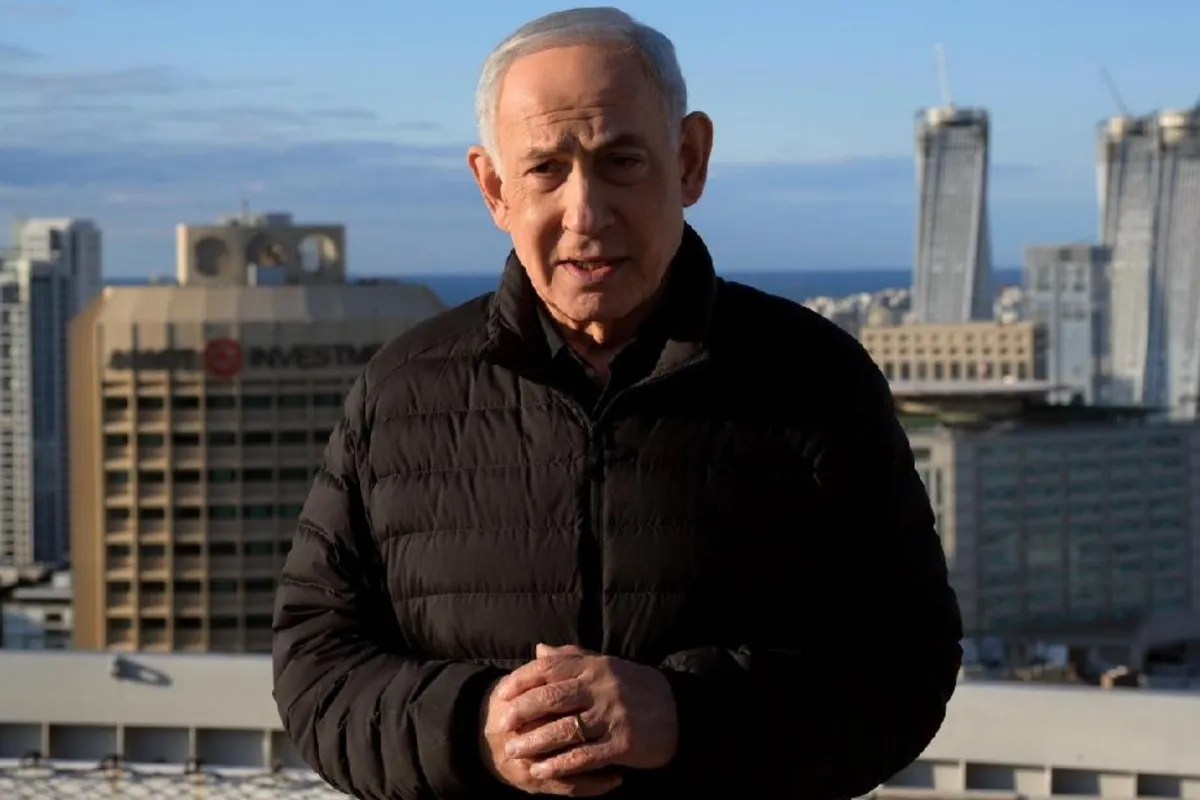
Benjamin Netanyahu just did what almost every political expert in Tel Aviv said was completely impossible. He survived.
Against all odds, the ruling coalition officially set the next Israel election 2026 for October 27. By doing this, Netanyahu isn't just clinging to power. He is making history. For the first time since 1988, an Israeli government is actually going to finish its full scheduled four-year term without collapsing into early chaos. Think about that for a second. In a country famous for burning through governments faster than most people change their cars, this right-wing coalition managed to go the distance.
But don't mistake survival for stability. This upcoming vote isn't a routine democratic exercise. It is a high-stakes referendum on the survival of Israel's longest-serving prime minister and a public judgment on the traumatic wars that have reshaped the Middle East over the last three years.
The Historic Survival of a Fractured Coalition
Israeli politics usually runs on hyper-speed expiration dates. We have seen snap elections, sudden defections, and constant backstabbing define the Knesset for over thirty years. So when coalition head Ofir Katz announced that the parliament would enter its election recess on July 17, 2026, ahead of the October vote, it caught people off guard.
The Knesset Legal Adviser, Adv. Sagit Afik, confirmed that there's no need for a dramatic dissolution law this time. The clock is simply running out naturally.
How did a government facing historic public anger manage to hold together?
It came down to mutual self-preservation. The coalition, built alongside ultra-Orthodox parties and far-right figures like National Security Minister Itamar Ben-Gvir and Finance Minister Bezalel Smotrich, knew one simple truth. If they fell apart, they would all lose. The polls have been brutal to them since the October 7, 2023 catastrophe. For months, surveys indicated that if an early election happened, the current coalition would get absolutely crushed. So, they stayed married out of pure necessity.
The Shadow of the October 7 Failures and Regional Wars
You can't understand the Israel election 2026 without looking at the scars of the last few years. Netanyahu built his entire decades-long career on a single premise. He was "Mr. Security." He was the only leader who could keep Israel safe in a hostile neighborhood.
That premise shattered on October 7, 2023.
The intelligence failures that allowed the Hamas-led attacks to happen on his watch still haunt the electorate. Families of hostages are still protesting in the streets. Opposition leaders keep demanding an independent state inquiry. Netanyahu has resisted these calls, insisting that investigations must wait until all military operations are completely resolved.
Then came the wider escalation. The military campaigns didn't stop in Gaza. They expanded into intense fighting with Hezbollah in Lebanon and culminated in the direct war with Iran earlier in 2026. While Netanyahu tries to frame the recent Washington-brokered ceasefire with Iran as a strategic victory that removed an existential threat, many voters see it differently. A Hebrew University poll earlier this year revealed that a staggering number of Israelis felt the conflict ended unfavorably for the country. Netanyahu’s personal approval ratings plummeted from over 40% down to the high 20s.
He is betting that time heals political wounds. By stretching the term to October 27, he gave himself breathing room to pivot the narrative.
The Rise of New Rivals and a Hung Parliament Threat
Netanyahu's strategy for the Israel election 2026 relies heavily on the fragmentation of his opponents. He recently announced his desire to build a "broad national government" that doesn't depend on left-wing factions or Arab parties. He wants to look like a centrist unifier.
It infuriated his right-wing allies. Itamar Ben-Gvir immediately called the comments disturbing, demanding that the next government remain fiercely right-wing. This public infighting shows the crack in Netanyahu's armor.
Meanwhile, the opposition is mutating.
- Gadi Eisenkot and the Yashar Party: The former IDF Chief of Staff has surged in popularity. He represents a pragmatic, no-nonsense security alternative. Recent data from Channel 12 News shows Eisenkot’s Yashar party tied with Netanyahu’s Likud at 23 seats each. Channel 13 went further, putting Eisenkot ahead.
- The Bennett-Lapid Alliance: Former Prime Minister Naftali Bennett and opposition leader Yair Lapid joined forces under a single list called Together (Beyachad). While the alliance initially led early 2026 polling, the merger actually caused a slight dip as voters questioned the ideological mismatch.
The math in the 120-seat Knesset is brutal. You need 61 seats to govern. Right now, neither Netanyahu’s traditional religious-nationalist bloc nor the fractured opposition has a clear, guaranteed path to 61. We are looking at a very high probability of a hung parliament.
The Domestic Time Bombs Exploding Before October
Beyond the wars, domestic policies are tearing the country apart. The most explosive issue heading into the summer recess is military conscription.
For decades, ultra-Orthodox (Haredi) men enjoyed exemptions from military service to study in yeshivas. With the military severely stretched after years of multi-front combat, the secular public and the military brass are saying enough is enough. They want a universal draft.
Netanyahu is caught in a vice. If he forces the ultra-Orthodox into the army, his coalition partners like United Torah Judaism and Shas will walk away and destroy his future coalition chances. If he grants them a total exemption, he alienates secular right-wing voters and the security establishment.
Add to this his ongoing corruption trials. The charges dates back to 2019. They have proceeded slowly, but they remain a constant backdrop. His critics say he is running for office purely to stay out of a courtroom. His supporters say it is a politicized witch hunt. Either way, it divides the country down the middle.
What You Need to Do Next
If you are tracking geopolitical risks or investing in Middle Eastern markets, the next three months require intense scrutiny. Do not just look at the headline poll numbers. Look at the shifting dynamics of the smaller parties.
Watch the September 7 deadline closely. That is the final date for political parties to submit their official candidate lists. Between now and then, expect desperate mergers, sudden retirements, and backroom deals. The outcome of the Israel election 2026 will dictate whether the region moves toward long-term diplomatic normalization or enters another cycle of deep political paralysis. Netanyahu has proven he can survive the clock, but surviving the voters is an entirely different battle.