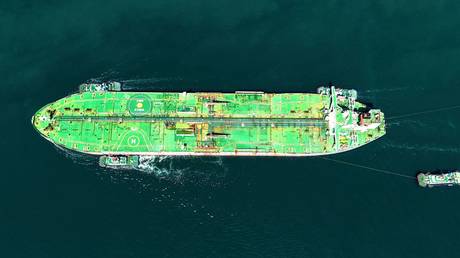
The global energy market is holding its breath. For weeks, the Strait of Hormuz has been the world's most dangerous parking lot, with millions of barrels of oil trapped behind a wall of mines, drones, and naval blockades. Now, reports are trickling in that Tehran is floating a deal to ease the pressure. According to recent Reuters reports, Iranian officials might allow ships to pass through the Omani side of the waterway—provided the U.S. plays ball with major concessions.
Don't mistake this for a sudden burst of goodwill. It's a calculated chess move. Since the massive escalations began on February 28, 2026, the global economy has been reeling. Iran’s new leadership, following the vacuum left by the death of Ali Khamenei, is staring down a $270 billion economic hole. The "Hormuz Shock" pushed Brent crude to $126 a barrel last month, and while that pads the pockets of some, the total U.S. blockade of Iranian ports is starting to bite. Hard.
The Omani Side Escape Hatch
The proposal currently on the table is specific. Iran isn't saying they'll just pull back and let everyone through. They're talking about allowing vessels to use the Omani side of the strait without the risk of being targeted by the IRGC’s drone swarms or sea mines.
It sounds like a win-win, but there’s a massive catch. Tehran hasn't clarified if "all ships" includes those linked to Israel or the United States. In the world of maritime law, "innocent passage" is supposed to be a right, but in 2026, rights are being rewritten by ballistic missiles. If Iran only lets "friendly" tankers through while maintaining a "high-tech siege" on others, the blockade hasn't actually ended—it's just been refined.
Why the US Might Not Bite
You’d think Washington would jump at the chance to lower gas prices, right? It's not that simple. President Trump’s administration has been incredibly aggressive, implementing a full blockade that has reportedly turned around every single merchant vessel trying to reach Iranian ports this week.
- The Leverage Factor: The U.S. knows the blockade is working. If they give in now just to get the Omani side of the lane open, they lose their best tool for forcing Iran to the table on nuclear enrichment.
- The "Illegal Toll" Problem: Iran has been trying to collect "transit fees" from ships. Trump has already instructed the Navy to interdict any vessel that pays these fees.
- The Minefield: Even if Iran says "go ahead," who’s going to trust them? The strait is littered with "hidden threats" like mines and GNSS jamming that makes navigation a nightmare.
For a ship owner, "easing restrictions" doesn't mean much if your insurance carrier won't cover the hull. War risk insurance for the strait was effectively canceled in early March. Unless there’s a verifiable, permanent de-escalation, those 150+ ships anchored outside the strait aren't moving anywhere.
The Economic Reality of the Siege
Iran is bleeding money. We're talking $3,000 in war damage per Iranian citizen in just over 40 days. While they’ve managed to keep some oil flowing to their "shadow fleet" partners, the U.S. blockade is designed to zero that out.
Honestly, the proposal to use Oman’s waters feels like a move to drive a wedge between the U.S. and its regional allies. If Oman agrees to facilitate this "safe passage" and the U.S. still blocks it, Washington looks like the aggressor to the rest of the world. It’s a classic PR trap wrapped in a maritime proposal.
What Happens Next for Energy Prices
If this "Omani exit" actually happens, expect a short-term drop in oil volatility. But don't expect $70 barrels again anytime soon. The structural damage to the global supply chain—what the World Bank calls the "supply-chain bullwhip effect"—is already done. We’ve seen a 70% drop in tanker traffic since the conflict started. Reversing that takes more than a verbal "okay" from a mid-level Iranian official.
Moving Beyond the Blockade
If you're tracking this for business or investment, watch the insurance markets, not the headlines. The moment the major P&I clubs reinstate war risk coverage for the Strait of Hormuz is the moment you know the crisis is actually over. Until then, these reports of "easing restrictions" are just noise in a very loud war.
Keep a close eye on the upcoming talks in Islamabad. That's where the real terms—nuclear limits for trade access—will be hammered out. If those fail, like the Pakistani-mediated talks did last week, the Omani proposal will be dead in the water before the first tanker even hits the lane.